Japan: Temples, Train Stations, and Regional Cuisine
Travel guide · editorialA vacation in Japan often begins with a surprise: how quiet a packed train can be, how naturally a shrine sits among office towers, and how good a meal from a train station snack stand can taste. A trip to Japan combines big cities, ancient temple complexes, volcanic landscapes, and hot springs, all connected by an exceptionally reliable transportation network.
Islands and Landscapes from Hokkaido to Okinawa
Japan consists of four main islands and several thousand smaller ones. Honshu, the largest, is the heartland with Tokyo, Kyoto, and Osaka, but also the Japanese Alps, where snow walls up to 20 meters high line the Tateyama Kurobe Alpine Route in spring. To the north lies Hokkaido, vast, rural, and deep in snow in winter, famous for powder snow in Niseko and the lavender fields near Furano in July. Shikoku in the south is the quietest of the main islands, known for its pilgrimage route to 88 temples and the Iya Valley with its vine bridges. Kyushu is shaped by volcanoes, with the active Sakurajima off Kagoshima and countless onsen in Beppu. Finally, in the far south, the subtropical islands of Okinawa stretch out with coral reefs and a culture of their own. Roughly three quarters of the country is mountainous, which is why the big cities are packed tightly together on the few coastal plains.
Tokyo, Yokohama, and the Greater Kanto Region
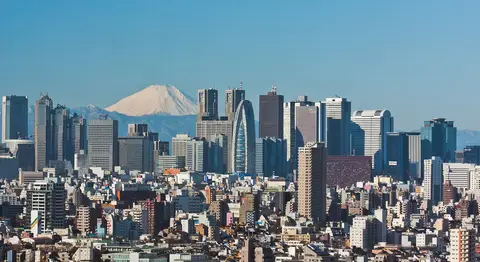
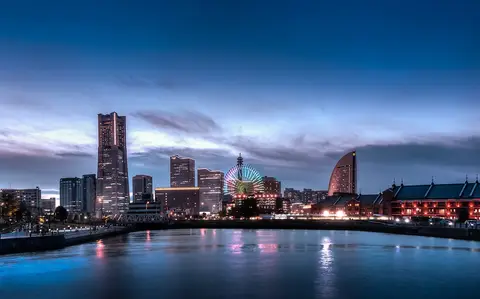
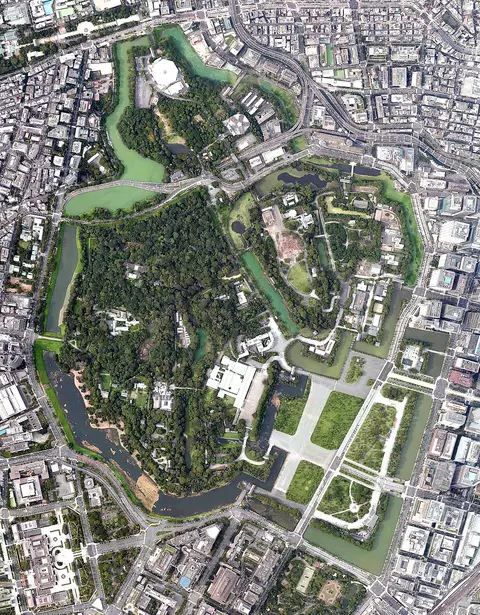
Tokyo is the largest metropolitan area in the world and, at the same time, surprisingly small-scale. Behind the main streets of Shinjuku or Shibuya, narrow alleys hold yakitori bars with barely ten seats. In Asakusa, visitors crowd in front of Sensō-ji, the city's oldest temple, while the Meiji Shrine, by contrast, is calm and quiet beneath tall trees. Harajuku stands for fashion and youth culture, Akihabara for electronics, anime, and manga, and Ginza for department stores with gourmet food halls in the basement. In the morning, the outer market of Tsukiji is worth a visit for sushi at breakfast. Yokohama, only half an hour away, has the largest Chinatown in Japan and a lovely harbor promenade. Popular day trips lead to Kamakura with its Great Buddha statue made of bronze, to Nikko with its lavishly decorated shrines, or to Hakone, where in good weather you can see Mount Fuji from your hot bath.
Kyoto, Osaka, and Western Japan
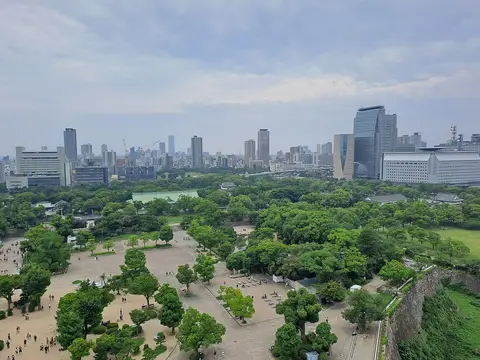
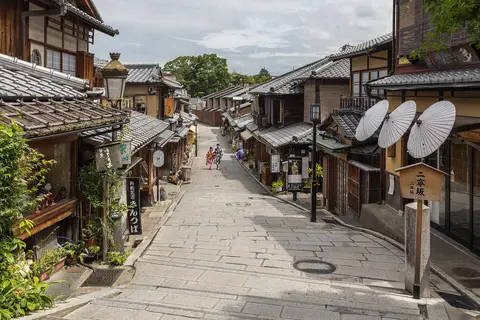
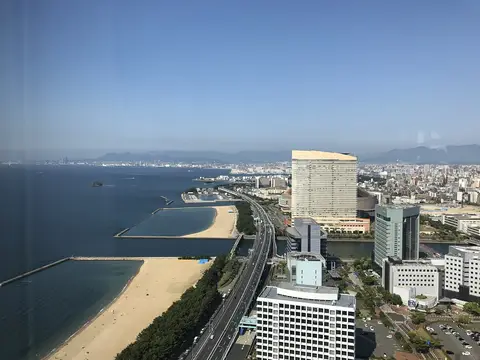
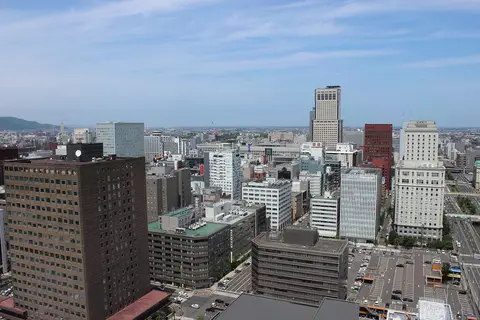
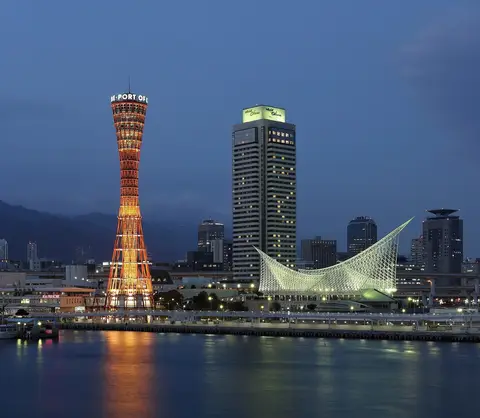
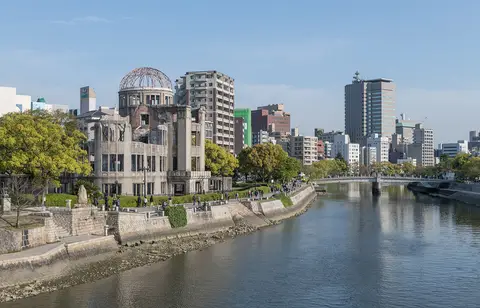
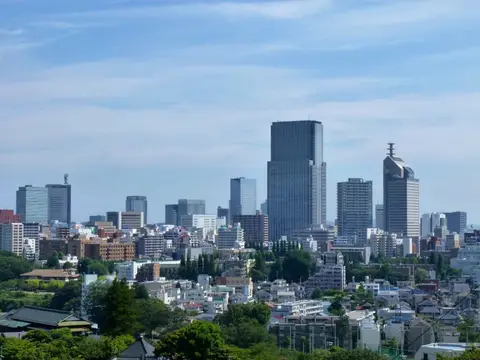
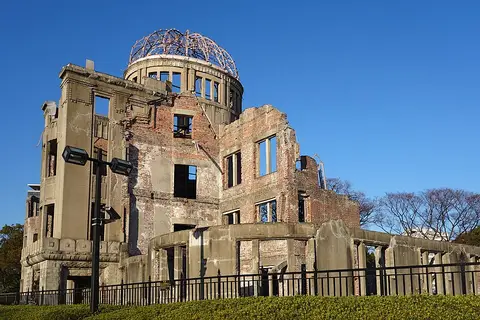
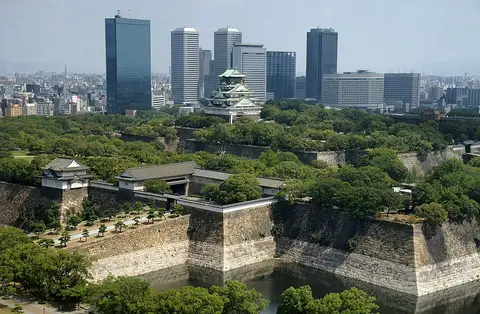
Kyoto was the imperial capital for over a thousand years and is among the best-known sights in Japan. The Golden Pavilion, the rock garden of Ryōan-ji, the orange torii gates of Fushimi Inari, and the Arashiyama Bamboo Grove are very crowded during the day; if you get up early or stroll through the wooden-house lanes of Gion in the evening, you'll experience the city more peacefully. Osaka is the counterpart: loud, warm, and obsessed with food. In Dōtonbori, the neon signs glow above the canal, and the stalls sell takoyaki and okonomiyaki. Nara, with its huge Buddha at Tōdai-ji and the tame deer in the park, makes an easy excursion, as does Kobe with its harbor and famous beef. Farther west lies Hiroshima, where the Peace Museum and the ruins of the Atomic Bomb Dome recall August 1945; from there, a ferry takes you to the floating torii of Miyajima. Nagoya is an important industrial hub and the gateway to the mountain villages of Takayama and Shirakawa-go with their steep thatched roofs. On Kyushu, Fukuoka, with its riverside street stalls, is the liveliest city; in the north, there is Sapporo with its snow festival in February, and Sendai as a starting point for the island-studded bay of Matsushima.
Culture, Customs, and History
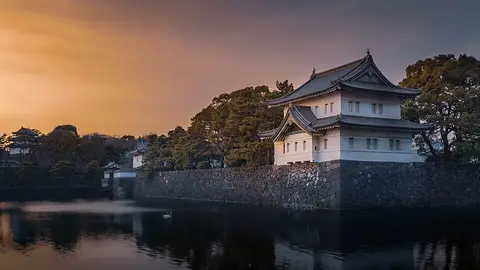
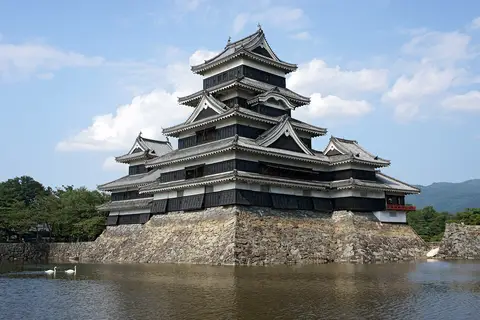
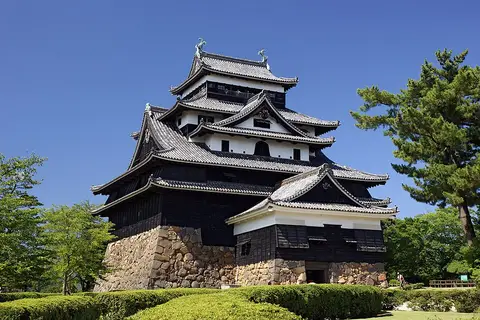
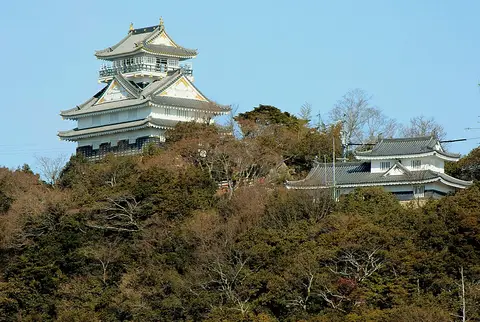
Shintō and Buddhism exist side by side in Japan; many people visit a shrine at New Year and have a Buddhist funeral. For travelers, a few rules apply that quickly become habit: take off your shoes in homes, ryokan, and many temples, don't talk on the phone on the train, and in an onsen, shower thoroughly before bathing and enter the pool naked; tattoos are still a problem in some baths. Tipping is not customary and can even cause confusion. A night in a ryokan, a traditional inn with tatami mats, yukata, and a multicourse dinner, is among the loveliest experiences. If you're interested in history, you'll find samurai castles such as Himeji, the White Heron Castle, or Matsumoto with its black wooden structure, as well as tea ceremonies and theater forms like Kabuki and Nō.
Food and Drink in Japan
Japanese cuisine is strongly regional. Sushi and sashimi are especially good in Tokyo, and ramen comes in dozens of variations: with pork-bone broth in Fukuoka, with miso in Sapporo, with soy sauce in Tokyo. Kyoto stands for kaiseki cuisine, a finely tuned seasonal menu, and for tofu and vegetables in the tradition of temple cooking. Osaka is the city of street food, Hiroshima has its own layered okonomiyaki variation, and in Nagoya you eat miso katsu and eel over rice. Everyday and inexpensive options include izakaya, pubs serving small dishes with beer or sake, and konbini, the convenience stores open around the clock, whose onigiri and sandwiches are surprisingly good. Sake is brewed in almost every region; in Kobe-Nada and Fushimi in Kyoto you can tour breweries, and Japanese whisky long ago earned an international reputation.
Getting There and Getting Around in Japan
Nonstop flights from Frankfurt and Munich to Tokyo, seasonally also to Osaka, take about 13 to 14 hours because of the detour around Russian airspace. Germans do not need a visa for tourist stays of up to 90 days; an electronic pre-registration system is planned, so you should check the current entry requirements before your trip. Within the country, the train is the most important means of transportation. The Shinkansen connects Tokyo and Kyoto in a little over two hours; Osaka and Hiroshima lie along the same route and are served at frequent intervals. Since the price increase in 2023, the Japan Rail Pass only pays off if you take a great many long-distance trips; regional passes and single tickets are often cheaper. In the cities, you pay for the subway, buses, and even vending machines with IC cards such as Suica or ICOCA, which also work on your smartphone. Domestic flights make sense for Hokkaido, Kyushu, and Okinawa; a rental car is useful mainly for Hokkaido and rural regions, though you need an international driver's license and traffic drives on the left.
Best Time to Visit Japan
Spring and fall are considered the best times to visit Japan. The cherry blossoms begin in late March in Tokyo and Kyoto and move north to Hokkaido by early May; temperatures then range from 59 to 68°F, although accommodations book up early. The fall foliage usually reaches Kyoto and Tokyo in mid to late November, and the mountains as early as October. June and early July bring the rainy season; high summer, at 91 to 95°F with high humidity, is very taxing, but it's when many fireworks displays and summer festivals take place; typhoons are possible from August to October. Winter in the Greater Tokyo area is dry and sunny at around 50°F, while Hokkaido and the Japanese Alps offer excellent skiing conditions from December to March. Okinawa is mild year-round.
Japan Destinations Beyond the Golden Route
The classic route of Tokyo, Hakone, Kyoto, and Osaka is known as the Golden Route, and it's correspondingly busy. If you have more time, you'll find other destinations in Japan that are much quieter: Kanazawa with the Kenroku-en garden and old teahouses, the art islands of Naoshima and Teshima in the Seto Inland Sea, the Kumano Kodo pilgrimage route on the Kii Peninsula with overnight stays in temple lodgings, or the north of Honshu with its onsen villages in Akita Prefecture. Here you'll find a Japan where the train sometimes runs only once an hour, and yet you still arrive on time.