Discover Tokyo: Shrines, Neon, and Ramen
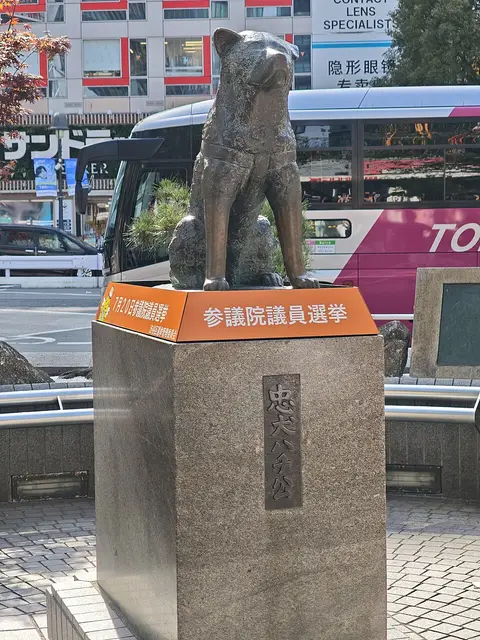
Travel guide · editorialAt five in the morning, traders at the Toyosu fish market haul tuna across the concrete floor on hooks; in the evening, thousands of people crowd across the intersection in Shibuya – a trip to Tokyo lives somewhere between these two images. The world's largest metropolitan area feels surprisingly orderly, quiet, and polite, and on a city break in Tokyo, it's especially striking how much village life is tucked away in the back streets of this megacity.
From Edo to Capital
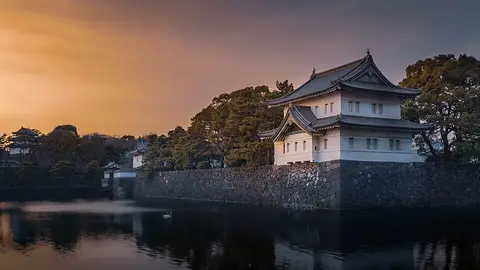
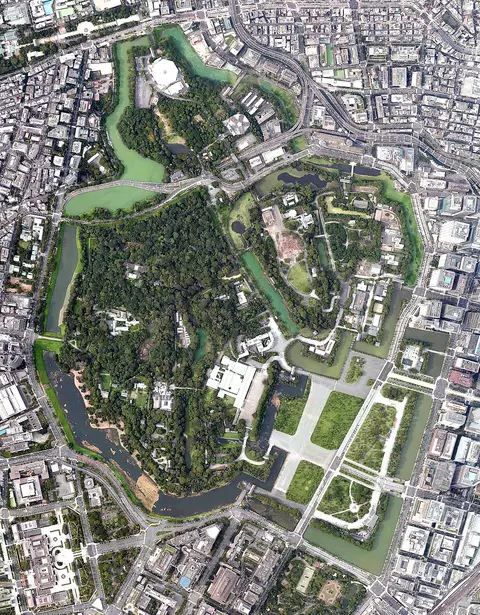
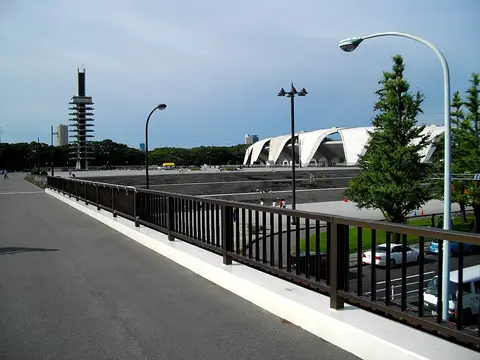
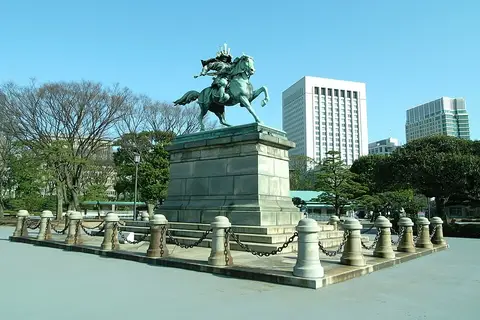
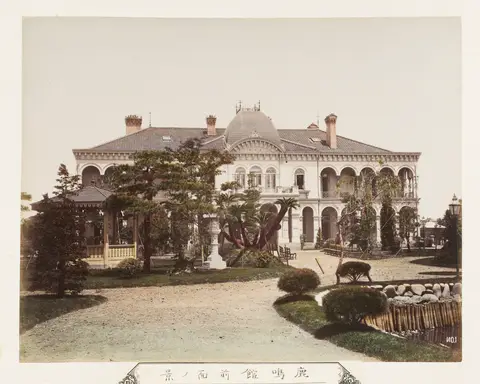
Until 1868, Tokyo was called Edo and was the seat of the Tokugawa shoguns, who ruled Japan from here for around 250 years. With the Meiji Restoration, the emperor moved from Kyoto into the old castle, and the city received its new name – "eastern capital." Twice in the 20th century Tokyo was almost completely destroyed: in 1923 by the Great Kantō Earthquake, and in 1945 by firebombing raids. That's why most of the city's buildings are young, and the old is found mostly in fragments: in the stone walls and moats of the Imperial Palace, in wooden houses in Yanaka, or in a small shrine squeezed between two office towers. The 1964 Olympics brought the Shinkansen and the urban expressways, and the 2021 Games brought a new wave of architecture.
Neighborhoods with Their Own Character
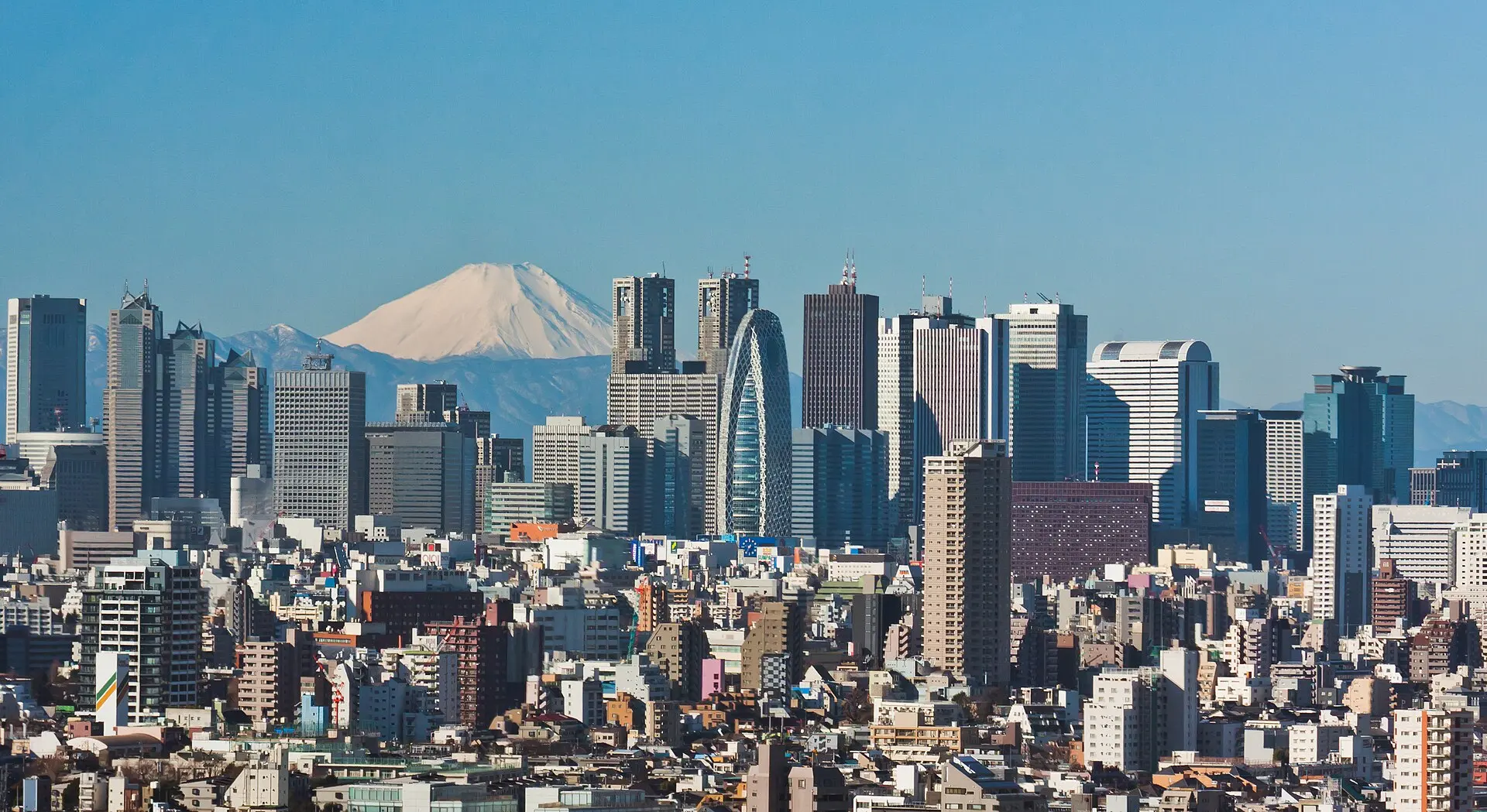
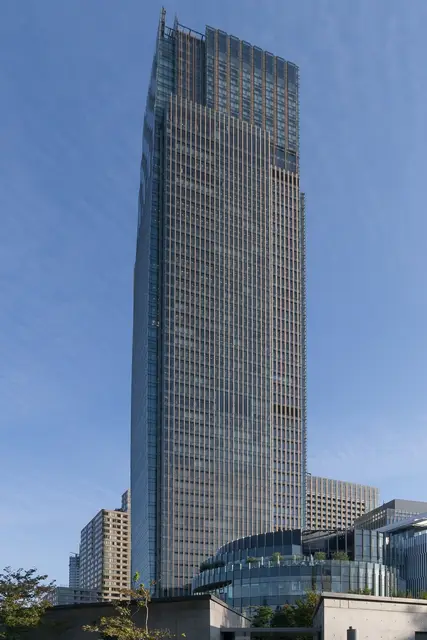
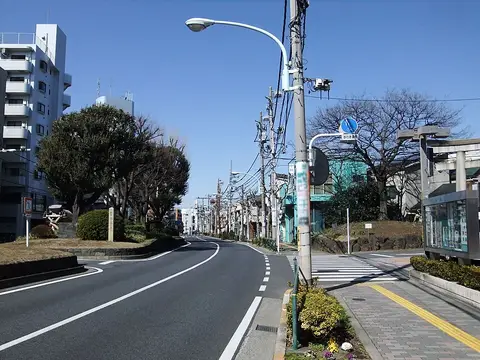
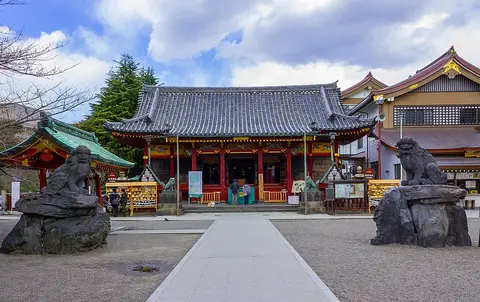
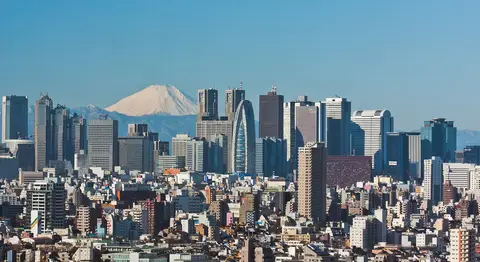
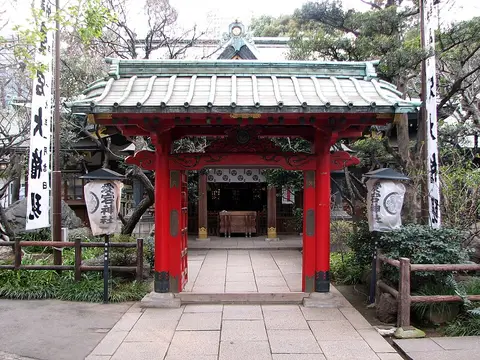
Tokyo is less a single city than a collection of centers. Shinjuku shows both of its faces in a very small area: in Nishi-Shinjuku stand the skyscrapers and the city hall with its free observation decks, while east of the station Kabukichō, the country's largest entertainment district, glows, right next to the tiny bars of Golden Gai. Around Udagawachō in Shibuya, it's all about fashion, record stores, and young clubs. Marunouchi, in front of Tokyo Station, is the elegant business district with the restored brick station building, and Akasaka is a quieter quarter with hotels, restaurants, and the Hie Shrine. If you want to see Tokyo beyond the postcards, head to Adachi in the north with its shopping streets and bathhouses, or to Chōfu in the west, where the Jindai-ji temple is surrounded by soba restaurants.
Sights in Tokyo
Sensō-ji in Asakusa is the city's oldest temple; you reach the main hall via the Nakamise shopping street after passing through the huge red Kaminarimon Gate with its lantern. A few minutes' walk across the Sumida River, the 634-meter Tokyo Skytree towers overhead, the tallest broadcasting tower in the world. The Meiji Shrine feels completely different, set in a dense forest between Harajuku and Yoyogi and built for Emperor Meiji and his wife. The Shibuya intersection is best experienced from above, for example from Shibuya Sky. Ginza stands for department stores and galleries, Akihabara for electronics, manga, and maid cafés. And in spring, Ueno Park, the Meguro River canal, and the castle moats at Chidorigafuchi turn into tunnels of cherry blossoms.
Museums and Culture
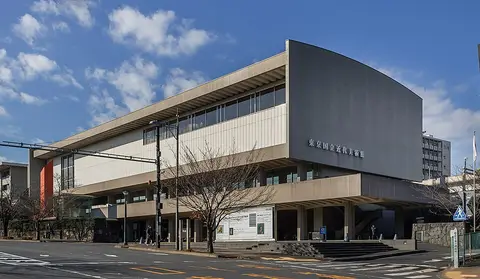
Ueno Park is Tokyo's museum island: the Tokyo National Museum holds the most extensive collection of Japanese art, from samurai swords to hanging scrolls, and is joined by the National Museum of Western Art in a building by Le Corbusier that is a UNESCO World Heritage Site, as well as the National Museum of Nature and Science. The Mori Art Museum in Roppongi shows contemporary art on the 53rd floor, and the Ghibli Museum in Mitaka enchants fans of Hayao Miyazaki's animated films – tickets are by advance booking only. You can catch kabuki at the Kabuki-za in Ginza, where you can also see just a single act. Sumo tournaments take place in January, May, and September at the Ryōgoku Kokugikan.
Eating in Tokyo
No city in the world has more Michelin-starred restaurants, but the real experience lies in everyday eating. Ramen bars with ticket machines, standing soba at the train station, tempura counters, yakitori under the tracks at Yūrakuchō – restaurants in Tokyo are often tiny and specialize in a single dish. At the Tsukiji Outer Market you can get tamagoyaki on a stick and a sushi breakfast in the morning, while monjayaki, the runny sister of okonomiyaki, is eaten in Tsukishima. The basement floors of department stores, the depachika, are a feast of bento boxes, sweets, and perfectly packaged fruit. And the konbini on every corner supplies onigiri and coffee around the clock.
Going Out and Nightlife
In Tokyo, the night often begins in an izakaya over beer and small plates. In Golden Gai, the bars have barely more than six seats, many with their own theme, from jazz to horror films. Shibuya and Roppongi are the club districts, Shimokitazawa and Kōenji have live music venues and secondhand shops, and Ebisu and Nakameguro offer more relaxed wine bars. Karaoke is rented by the hour in a private room. Important: the last trains run around midnight, so if you stay out later, you'll wait for the first train in the morning or take an expensive taxi.
Getting Around Tokyo and the Best Time to Visit
Haneda is close to the center and quickly reached by monorail or the Keikyū line; from Narita, the Narita Express and the Skyliner take about an hour to reach the city. Once you're there, the train is unbeatable: the JR Yamanote Line circles the center, supplemented by metro and Toei lines, and you can conveniently pay with a Suica or Pasmo card or with your smartphone. The best times to visit are late March through May for the cherry blossoms, as well as October and November with clear days and autumn foliage; summer is hot and humid, and June brings the rainy season. For day trips, consider Kamakura with its Great Buddha, the temples of Nikkō, and Hakone with its hot springs and – in clear weather – views of Mount Fuji.