Discover Kawaguchi: Foundry Town on the Arakawa
Travel guide · editorialOnly the Arakawa River separates Kawaguchi from Tokyo's Kita ward, and many residents commute to the capital every day. But a trip to Kawaguchi reveals more than a bedroom community: a foundry tradition that shaped Japanese cinema, nurseries full of bonsai, and one of the most international neighborhoods in the Greater Tokyo area.
The Town of Blast Furnaces
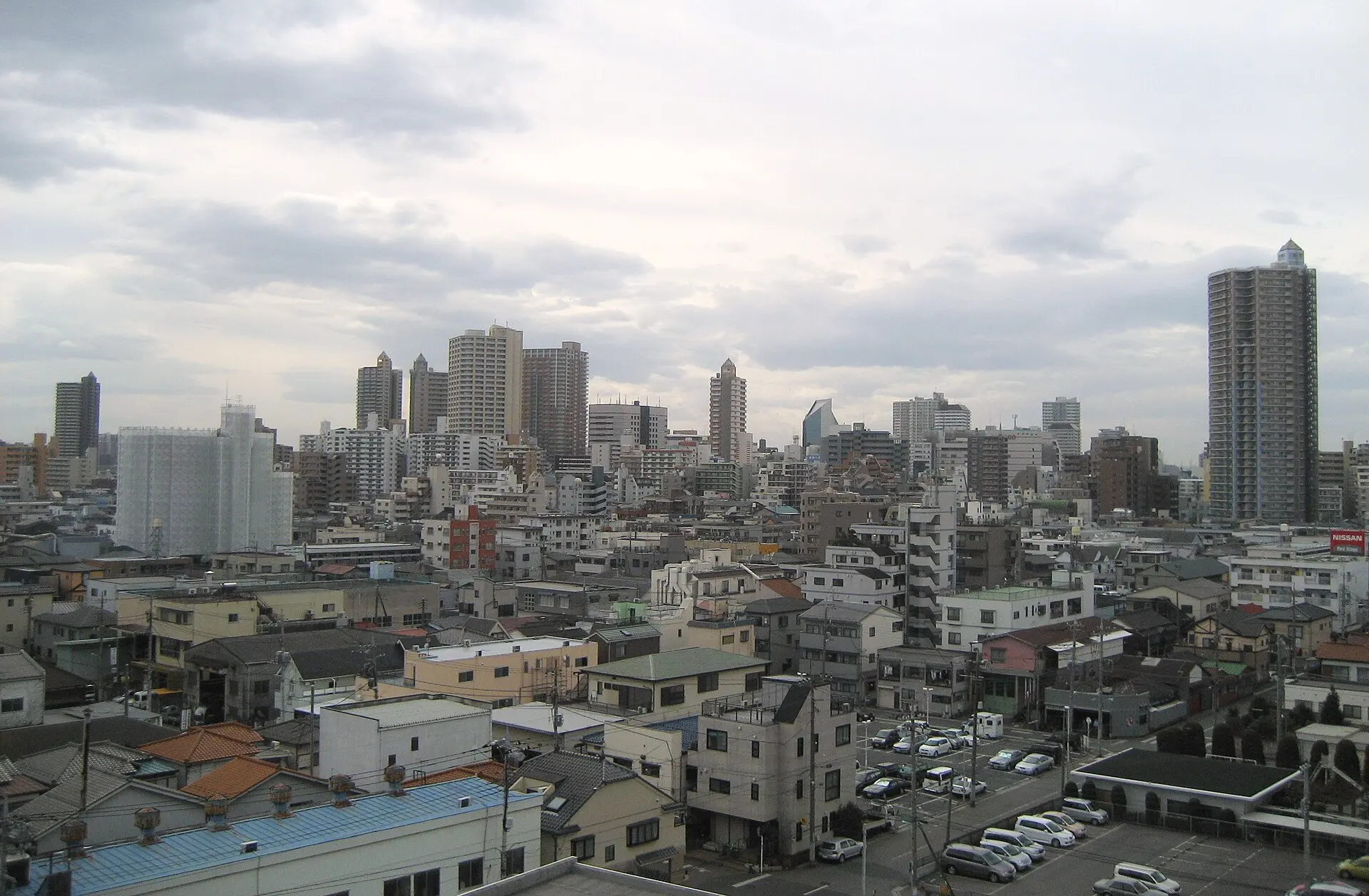
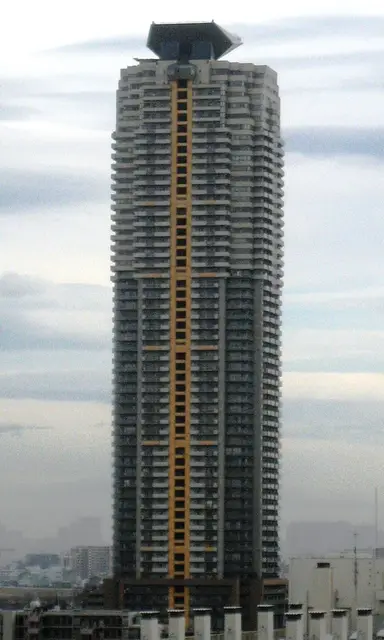
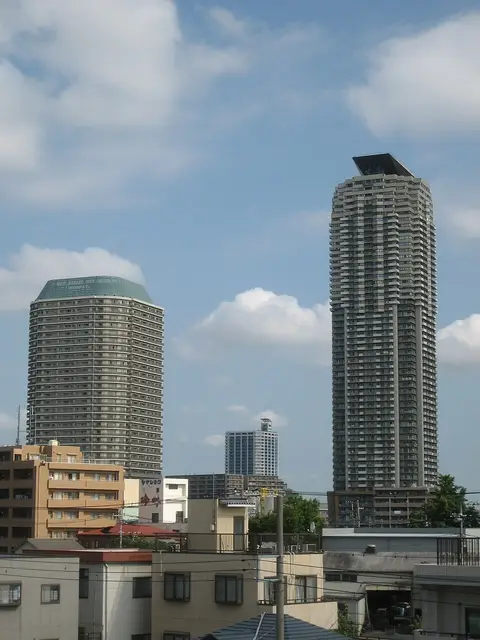
Iron was already being cast in Kawaguchi in the Edo period; the sand and clay along the Arakawa were ideal for casting molds, and kettles, pots, and bells traveled down the river to Edo. In the 20th century, cupola furnaces and smokestacks defined the town's skyline. The 1962 film Kyūpora no aru machi, starring Sayuri Yoshinaga, made the working-class town known across the country. Today most of the foundries have disappeared, replaced by high-rises, but cast-iron sculptures along streets and in plazas recall the past.
Sights in Kawaguchi
The Angyō district has been home to tree nurseries and plant dealers for centuries; garden centers sell bonsai, azaleas, and landscape trees, and in spring the area is a sea of blossoms. The Kawaguchi Green Center, a sprawling park with a greenhouse, ponds, and cherry trees, is a popular outing for families. At SKIP City, a media center on the site of a former broadcasting facility, an international film festival for young directors is held every year, complemented by a museum on the history of the moving image. The riverside park along the Arakawa invites you to take a stroll with views of the Tokyo skyline.
Eating in Kawaguchi
Kawaguchi is one of the municipalities with the highest number of foreign residents in Japan, and that shapes its restaurants. Around Nishi-Kawaguchi and Warabi stations you'll find authentic Chinese cuisine, Vietnamese street-food stalls, and Kurdish kebab shops. Chinese grocery stores have settled in the Shibazono housing complex. The city also serves Japanese classics: izakaya with yakitori, ramen shops, and soba from the Saitama plain. An evening in the alleys by the west exit of Kawaguchi Station shows the down-to-earth character of the town.
Getting Around Kawaguchi
On the JR Keihin-Tōhoku Line, you can reach Ueno and Tokyo Station in about 20 to 30 minutes, and changing trains at neighboring Akabane Station opens up further connections. The Saitama Rapid Railway connects the eastern part of the city directly with the Namboku Line of the Tokyo subway. Haneda and Narita airports are about an hour away. Thanks to affordable hotel prices and good transit links, Kawaguchi makes a good base for a city trip to Tokyo.
Best Time to Visit
The best time to visit is spring, when the cherry trees bloom in Angyō and along the Arakawa, and fall, with its clear air and mild weather. Summer is hot and humid, while winter is dry and mostly sunny. Day trips lead to the city of Saitama with its bonsai village in Ōmiya, or to the old town of Kawagoe with its Edo-period warehouses. Both destinations can be reached by train in under an hour. If you're visiting Tokyo, you can also get from Kawaguchi to Asakusa, Akihabara, or Ikebukuro quickly and return in the evening to the more relaxed back streets, where suburban life moves at a much calmer pace than in the heart of the metropolis.