
Discovering Saitama: Bonsai, the Railway Museum, and Hikawa Shrine
Travel guide · editorialA 300-year-old juniper in a shallow dish, and next to it a steaming locomotive from the Meiji era: Saitama surprises you with treasures you wouldn't expect in a commuter city on the doorstep of Tokyo. A day trip to Saitama is often enough, but if you stay longer, you'll discover bonsai gardens, doll makers, and one of the oldest shrines in the region. A vacation in Saitama also makes a good base for exploring Kawagoe and Chichibu.
A Young City with Old Roots
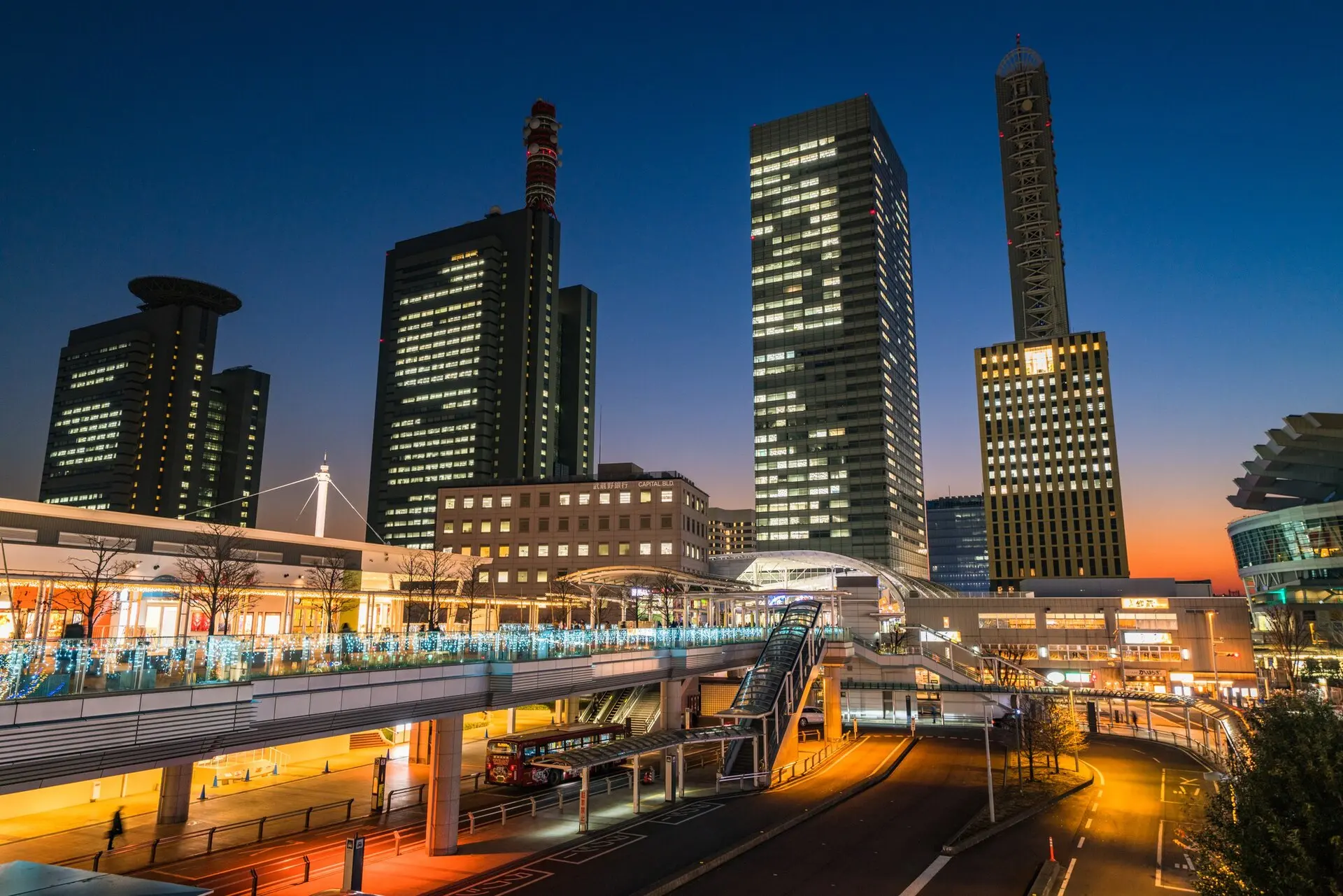
The city of Saitama has existed only since 2001, when Urawa, Ōmiya, and Yono merged; Iwatsuki joined in 2005. Each part brought its own identity: Urawa was an administrative seat and post town on the Nakasendō road, Ōmiya grew up as a shrine town and later as a railway hub, and Iwatsuki was a castle town and a center of doll making. Today Saitama is the prefectural capital, and around Saitama-Shintoshin Station in Chūō Ward, a modern district of government offices and event venues has sprung up, home to the Saitama Super Arena.
Sights in Saitama
Hikawa Shrine in Ōmiya is considered one of the oldest in the Kantō region and was the head shrine of the old province of Musashi. An approach about two kilometers long, lined with zelkova trees, leads to it—one of the longest shrine approaches in Japan. Just beyond it lies Ōmiya Park, a popular spot for cherry blossoms in spring. In the north, in Kita Ward, bonsai gardeners from Tokyo settled in the 1920s; in Ōmiya Bonsai Village you can visit several gardens, and the Omiya Bonsai Art Museum displays masterpieces, including trees that are centuries old. Saitama hosted the World Bonsai Convention in 2017.
Museums: Trains and Dolls
The Railway Museum run by JR East in Ōmiya is one of the largest of its kind in Japan. A huge hall holds steam locomotives, early Shinkansen trains, and imperial railcars, along with driving simulators and a turntable that is demonstrated regularly. Families can easily spend half a day here. In Iwatsuki Ward, the city's doll museum is devoted to the hina dolls displayed for the Girls' Day festival in March—Iwatsuki is one of the best-known centers of this craft, and in the workshops along the main street you can see the splendid figures in silk robes.
Eating in Saitama and Soccer Culture
Urawa is proud of its eel tradition: eels used to be caught in the surrounding marshes, and to this day there are a number of long-established unagi restaurants serving grilled eel with sweet sauce over rice. The region is also known for udon and meat noodles. Urawa is also a soccer town: the Urawa Red Diamonds have one of the most passionate fan bases in Asia, and their home games at Saitama Stadium 2002—a venue of the 2002 World Cup—are quite an experience. The best place to go out is around Ōmiya Station, with its izakaya alleys, where office workers order yakitori and beer at small counters after work. Urawa is quieter but offers a number of cafés and bistros around the station, and on match days the pubs turn into red fan zones. Restaurants in Saitama are generally down-to-earth and cheaper than in Tokyo—one reason some travelers stay here and commute into the capital.
Nature in the City: Minuma
Between the wards lie the Minuma Fields, a surprisingly large green zone of rice paddies, orchards, and canals. Here you'll find the Minuma Tsūsen-bori, an 18th-century canal with an early lock system. A cycling path lined with cherry trees, often described as one of the longest cherry-tree avenues in Japan, runs alongside the waterways. In Sakura Ward, wild primroses bloom in April at Tajimagahara, a protected natural monument.
Getting Around Saitama and Day Trips
Ōmiya is one of the most important stations in eastern Japan: all Shinkansen to Tōhoku, Niigata, and Kanazawa stop here. It takes about 25 to 35 minutes to reach Tokyo on JR lines. You can reach Haneda and Narita airports in roughly one to one and a half hours, and there are direct limousine buses. The automated New Shuttle train runs to the bonsai village and the Railway Museum. The best times to visit are spring and fall. The old town of Kawagoe, known as "Little Edo," is only half an hour away, and the mountains of Chichibu are about an hour and a half away.