
Saitama Prefecture: Little Edo, Bonsai and Mountains
Travel guide · editorialSaitama is often written off in Japan as little more than a bedroom community for Tokyo – but if you take a vacation in Saitama Prefecture, you'll discover a surprisingly diverse region. Historic Kawagoe with its old warehouses, the bonsai village in Ōmiya and the mountains of Chichibu are all within reach of the capital. Add to that festivals that rank among the most spectacular in the country.
Between Plains and Mountains
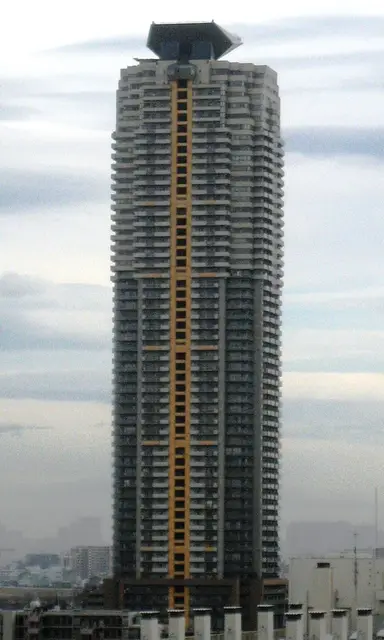
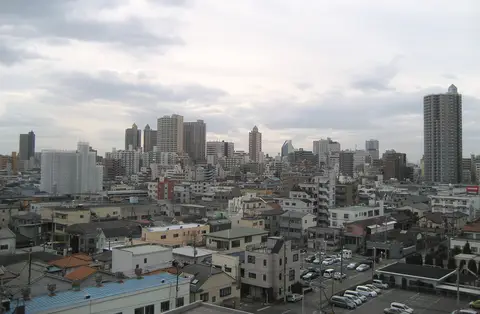
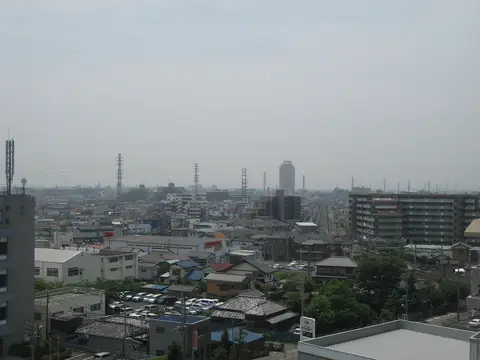
Saitama is a landlocked prefecture with no coastline. The east belongs to the Kantō Plain, crisscrossed by the Arakawa and Tone rivers, with rice paddies and sprawling residential areas. Cities such as Kawaguchi, Koshigaya, Sōka, Kasukabe and Tokorozawa are closely tied to Tokyo. The west, by contrast, is mountainous: around Chichibu, forested peaks rise up as part of Chichibu-Tama-Kai National Park. Kumagaya in the north is one of the hottest places in Japan and has recorded summer temperatures above 41 degrees Celsius (106°F).
Sights in Saitama Prefecture
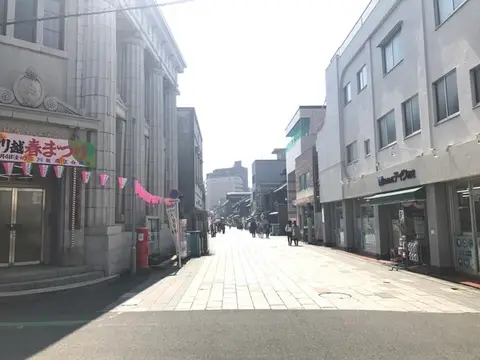
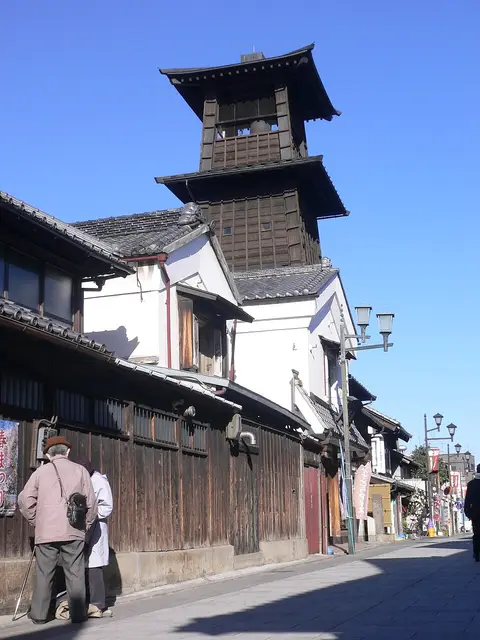
Kawagoe, often called "Little Edo," was a merchant town and supply station for the capital. Ichibangai Street is lined with kurazukuri, thick-walled warehouses with black clay plaster that were built fireproof after devastating fires. The wooden bell tower Toki no Kane still chimes several times a day. The candy alley Kashiya Yokochō sells hard candies and sweet potato snacks, and Kita-in Temple preserves rooms from the old Edo Castle. In Gyōda you'll find the Sakitama burial mounds, and every summer farmers there create giant pictures in the fields as part of the rice paddy art. Nagatoro on the Arakawa River offers boat rides through rocky gorges.
Saitama City and Its Surroundings
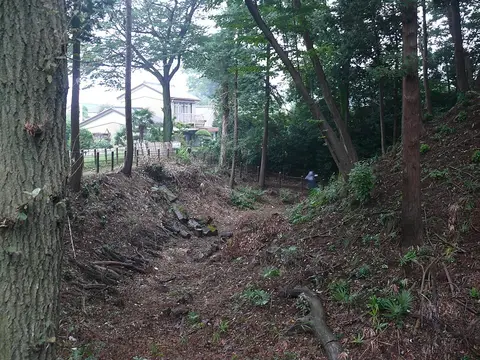
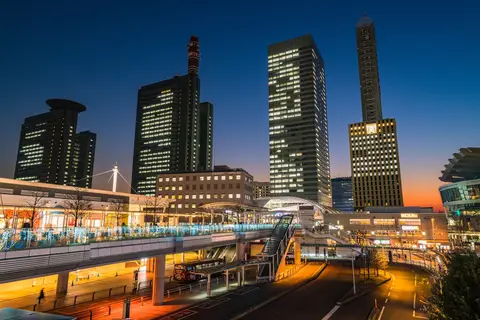
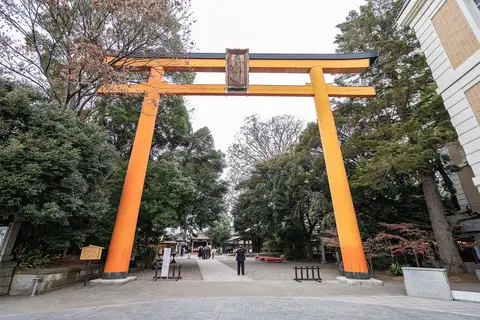
The prefectural capital, Saitama, was created in 2001 through the merger of Urawa, Ōmiya and Yono. Ōmiya is home to Hikawa Shrine, one of the oldest sanctuaries in the region, and the Railway Museum with historic locomotives and Shinkansen trains. In the bonsai village just a few minutes' walk away, nurseries tend miniature trees that are sometimes centuries old; a museum explains the art. Urawa is a soccer stronghold, and Saitama Stadium was a venue for the 2002 World Cup. Tokorozawa is home to the Kadokawa Culture Museum (Kadokawa Musashino Museum) with its spectacular library, and nearby lies the Sayama Hills, said to have inspired Ghibli's "My Neighbor Totoro." Kasukabe is the home of the manga character Shin-chan and also the site of a huge underground flood-control channel that you can tour.
Chichibu and the Mountains
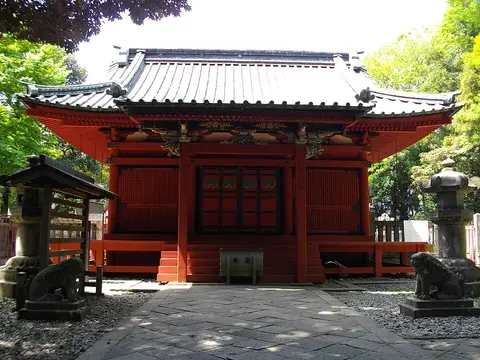
For many, Chichibu is the most beautiful of Saitama's destinations. At Hitsujiyama Park, a carpet of moss phlox in pink and violet blooms in April and May. Mitsumine Shrine sits on a forested mountain and is guarded by wolf statues. A pilgrimage route of 34 temples leads through villages and valleys. The Chichibu Night Festival in early December is one of Japan's three most beautiful float festivals: illuminated floats are hauled up a steep slope at night under fireworks. In winter, the Misotsuchi icicles form on a rock face along the river in Chichibu and are lit up in the evening, while in summer canoe and rafting tours start out from Nagatoro. In Hannō, on the edge of the mountains, you'll find Moomin Valley Park, an amusement park devoted to the Finnish Moomins on the shores of a lake. From there, hikers can quickly reach Mount Tenran, a viewpoint peak with views all the way to Tokyo.
Food and Drink
Kawagoe is known for sweet potatoes, served as ice cream, chips, cake or simply baked. Unagi, grilled eel, has a long tradition in the city. Sōka produces crunchy rice crackers, Sōka senbei, which are baked on the spot. In Chichibu, people eat waraji katsu, a flat cutlet shaped like a straw sandal, and soba made from local buckwheat; the area also has a whisky distillery whose products have won international awards. Sayama tea from the south is considered one of Japan's three most famous green teas. Gyōda is known for zeri-furai, a simple pancake you buy at small stands.
Getting There and Best Time to Visit
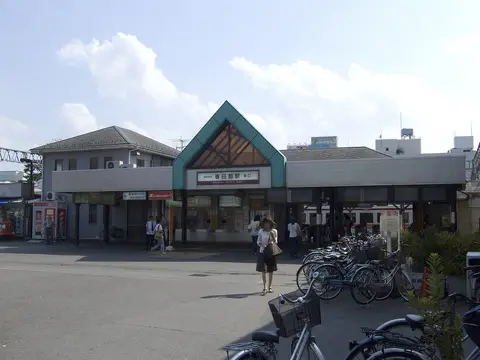
From Tokyo, Saitama can be reached in 20 to 60 minutes on rail lines such as the JR Saikyō Line, the Tōbu Railway or the Seibu Railway; to Chichibu, the Seibu Limited Express Laview departs from Ikebukuro. Shinkansen trains to Tōhoku, Hokuriku and Niigata stop in Ōmiya. The best times to visit are spring, with cherry blossoms along the Shingashi River in Kawagoe and the moss phlox bloom in Chichibu, and fall, with its clear air. December is worth the trip for the Chichibu Night Festival.