Discovering Koshigaya: Lake Town, Ducks, and Awa-Odori
Travel guide · editorialAmong Tokyoites, Koshigaya is known above all for one thing: a shopping mall so big you could spend an entire day in it. But a trip to this city north of Tokyo reveals much more – an old post station, an imperial duck-netting ground, traditional doll making, and one of the largest dance festivals in the Kantō region.
From Post Station to Commuter Town
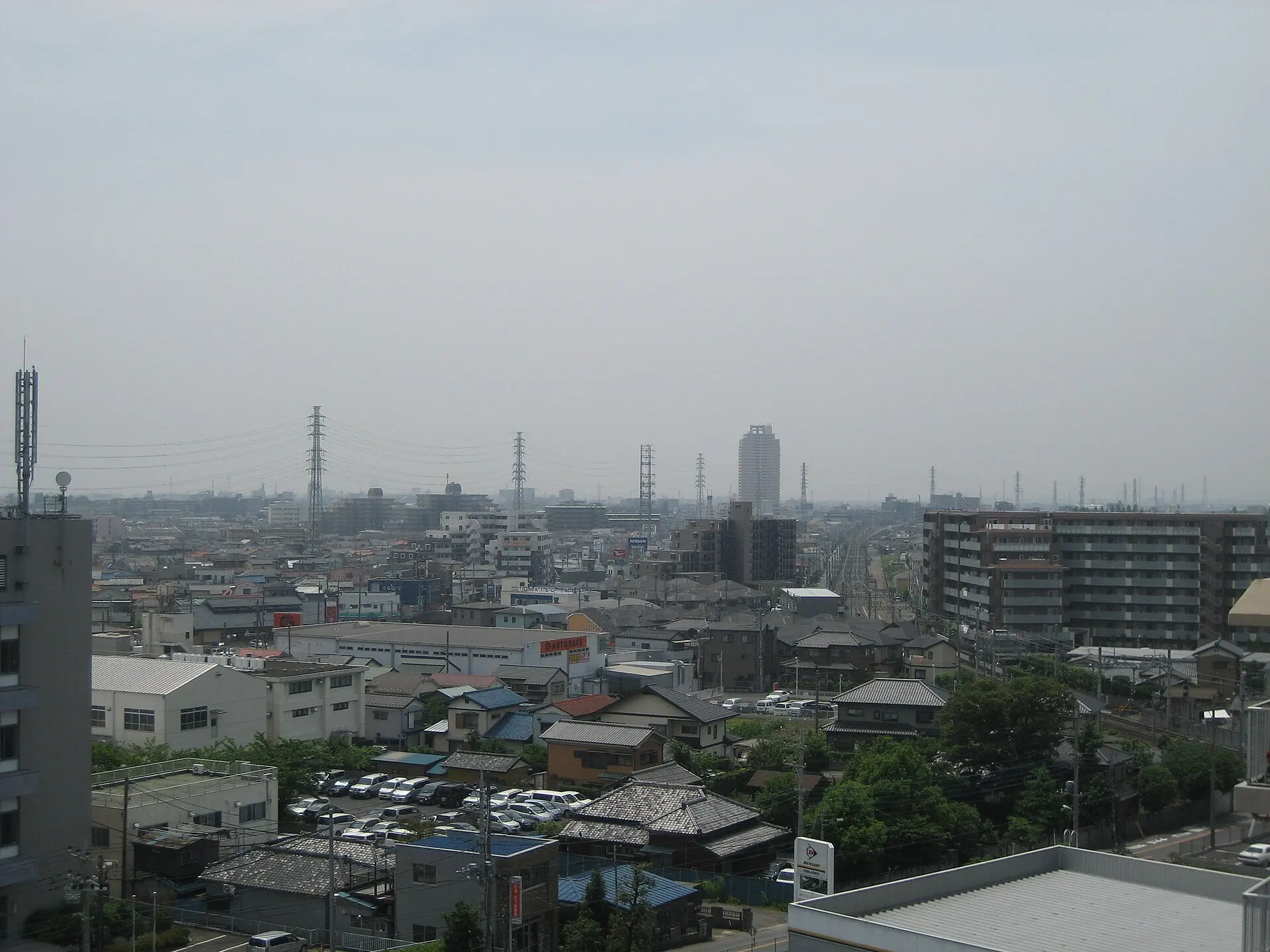
Koshigaya began as a post station on the Nikkō Kaidō, the road that daimyo and pilgrims traveled from Edo to Tōshō-gū in Nikkō. A few old merchant houses with storehouses still stand along the former highway. In the surrounding countryside, people long made their living from rice farming and crafts; to this day, Koshigaya remains one of the most important production centers for Hina dolls, which families display for the Girls' Festival in March, as well as for colorful Daruma dolls. As the railway expanded, Koshigaya became a bedroom community for commuters who can be in Tokyo within half an hour, and its population grew rapidly.
Sights in Koshigaya
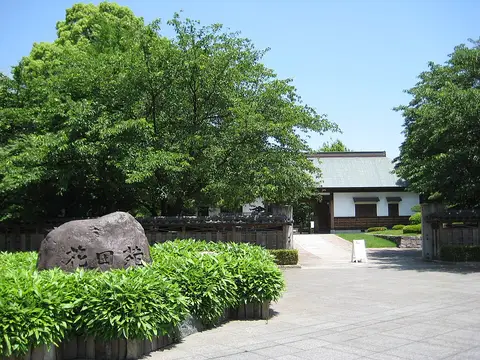
The biggest draw is Aeon Lake Town at Koshigaya-Laketown Station, one of the largest shopping complexes in Japan, with hundreds of stores, movie theaters, and restaurants, built beside an artificial flood-control lake. A quiet counterpoint is Kagantei Garden, a strolling garden with a pond and teahouse where traditional tea ceremonies are held. Something truly special is the Saitama Kamoba, an imperial duck-netting ground where wild ducks are still caught with hand nets using the old method, banded, and released again; foreign diplomats are invited here. The Hisaizu Shrine, with its wood carvings and plum garden, is also worth a visit.
The Awa-Odori of Minami-Koshigaya
At the end of August, the streets around Minami-Koshigaya Station turn into one huge dance floor. At the Minami-Koshigaya Awa-Odori, numerous dance troupes parade through the streets with shamisen, flutes, and drums, the women wearing tall woven straw hats, the men dancing in a deep crouch. The festival originated in Tokushima on Shikoku and is one of the largest events of its kind outside Shikoku, drawing hundreds of thousands of spectators.
Eating in Koshigaya
Koshigaya is known for kuwai, arrowhead tubers served at New Year's meals, and for leeks grown in the fields on the edge of town. Around Shin-Koshigaya and Minami-Koshigaya stations, where the Tōbu and JR lines cross, you'll find the liveliest district, with izakaya, ramen shops, and yakitori pubs. Duck also appears on many menus, a nod to the imperial duck-netting ground, for example as kamo-nanban soba.
Getting There and Best Time to Visit
The Tōbu Skytree Line runs through-service in part onto the Hibiya and Hanzōmon lines and reaches central Tokyo in about 30 minutes. The JR Musashino Line connects toward Funabashi and Saitama. Koshigaya is most beautiful in spring, when the cherry trees bloom along the Moto-Arakawa River, and at the end of August for the dance festival. In February and March, it's worth visiting the doll workshops, when the Hina dolls are being finished for the Girls' Festival and many shops display their work. If you only have half a day, combine Kagantei Garden with a stroll through Lake Town, where you can walk along the artificial lake.