Discover Kawagoe: Little Edo and Its Warehouse Houses
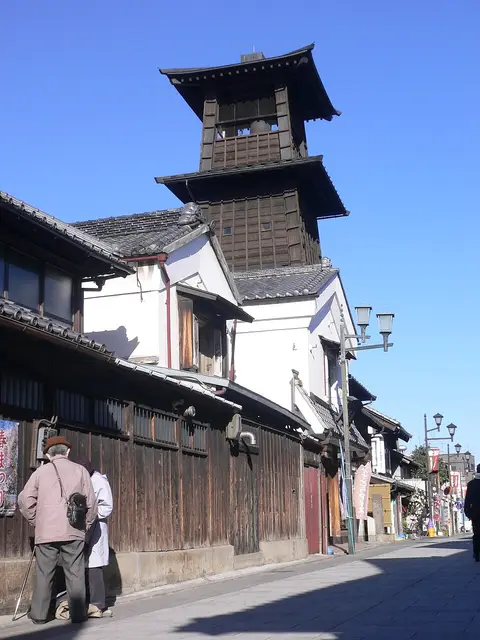
Travel guide · editorialFour times a day, the wooden bell tower in Kawagoe tolls, and the sound echoes over black clay warehouses with heavy tiled roofs. Known as Koedo, or "Little Edo," the town is one of the most popular day trips on a city break in Tokyo – barely an hour from the center and yet in another era.
History of a Castle Town
Kawagoe lay strategically at the northern approach to Edo, and the Tokugawa always entrusted the castle to close retainers. Rice, timber, and goods were shipped by boat down the Shingashi River to the capital, and the merchants grew rich. After a devastating fire in 1893, they rebuilt their houses in the fireproof kurazukuri style: with thick clay walls, black plaster, and massive shutters. Some of these buildings still stand today and form the heart of the old town. Of the castle, the Honmaru Goten survives, one of only two remaining castle palaces of its kind in Japan.
Sights in Kawagoe
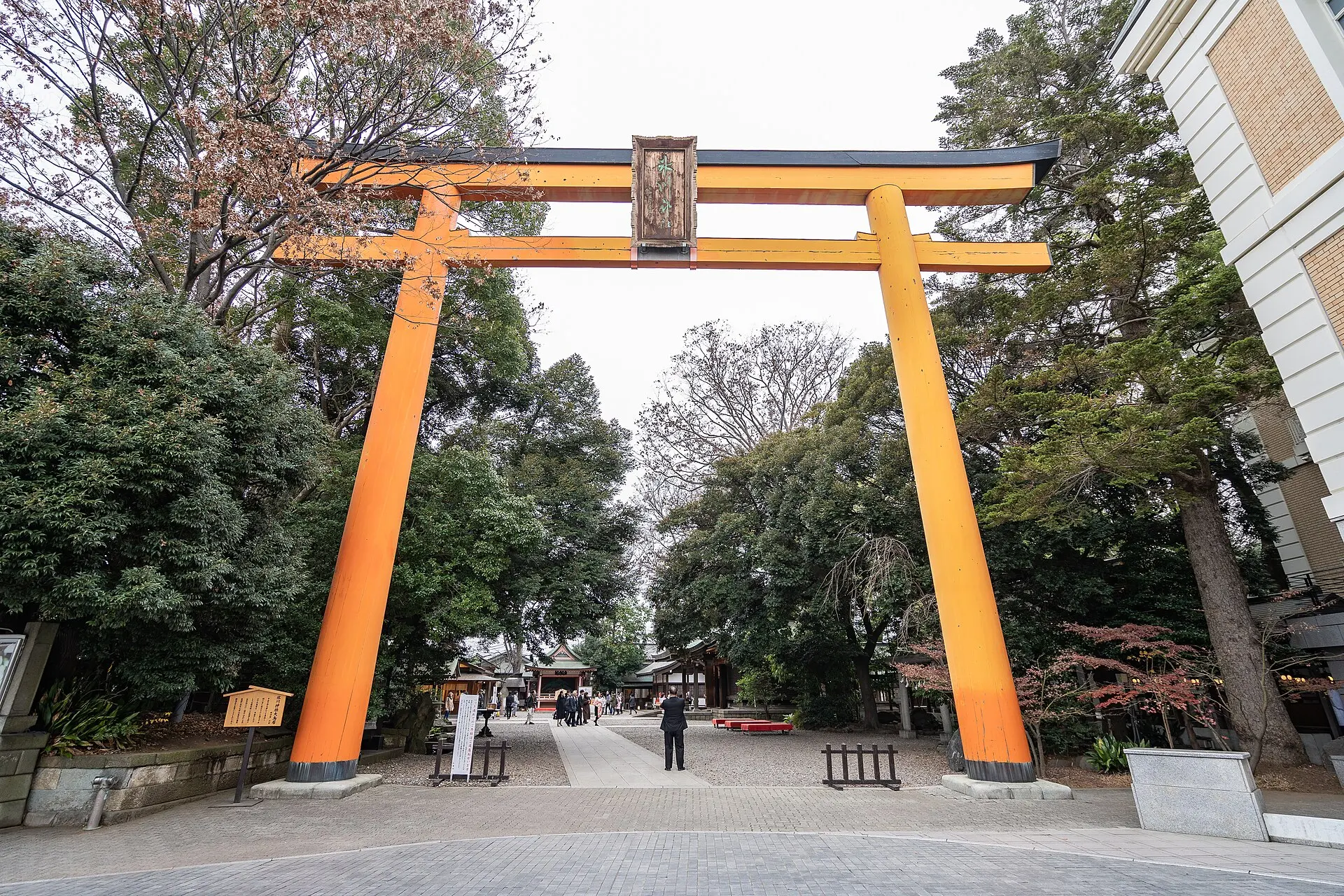
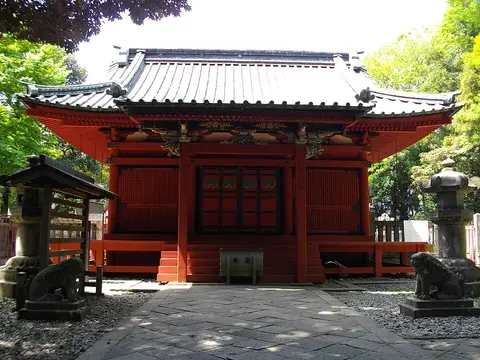
Ichibangai Street is lined with warehouse houses that now hold shops selling sweets, ceramics, and incense. Just beyond rises Toki no Kane, the bell tower that has marked the hours since the Edo period. In little Kashiya Yokocho, or Candy Alley, shops sell colorful candy sticks and puffed rice made from old recipes. The temple Kita-in preserves rooms from Edo Castle, including the room where the third shogun, Iemitsu, is said to have been born, and a courtyard with more than 500 stone Rakan figures, each with its own facial expression. Hikawa Shrine is known for its wind chimes in summer and is considered a place for wishing for love.
Eating in Kawagoe
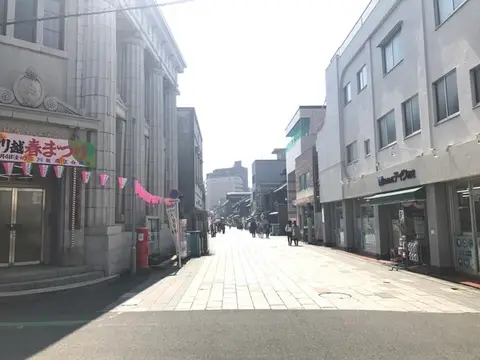
Kawagoe is the town of the sweet potato: an old saying praises it as "better than chestnuts," and in the old town you can get it roasted, as chips, ice cream, pudding, or even brewed into beer. Eel is another specialty, grilled over charcoal and served on rice at several long-established restaurants. Around the Shintomicho district between Kawagoe and Hon-Kawagoe stations lies the lively Crea Mall, a long shopping street with restaurants, cafés, and izakaya, where locals gather in the evening.
The Kawagoe Festival
On the third weekend of October, magnificently carved festival floats topped with dolls roll through the streets. When two floats meet, their music groups stage a raucous duel known as hikkawase. The festival is one of the float festivals recognized by UNESCO as intangible cultural heritage. Some floats can be seen year-round at the Festival Museum.
Getting There and Best Time to Visit
From Ikebukuro, the Tobu Tojo Line takes about 30 minutes to reach Kawagoe, while the Seibu Shinjuku Line ends at Hon-Kawagoe, closer to the old town. A circular bus connects the sights, though many people walk. The best times to visit are spring and fall; on weekends Ichibangai is very crowded, while on weekdays it stays quieter. If you prefer a relaxed pace, rent a kimono and stroll the alleys in the morning before the day-trippers arrive; in the evening, when the shops close, the warehouse houses look especially striking in the lantern light. If you stay overnight, you'll find hotels and a few traditional inns around the stations.