About 江戶城 Edo Castle
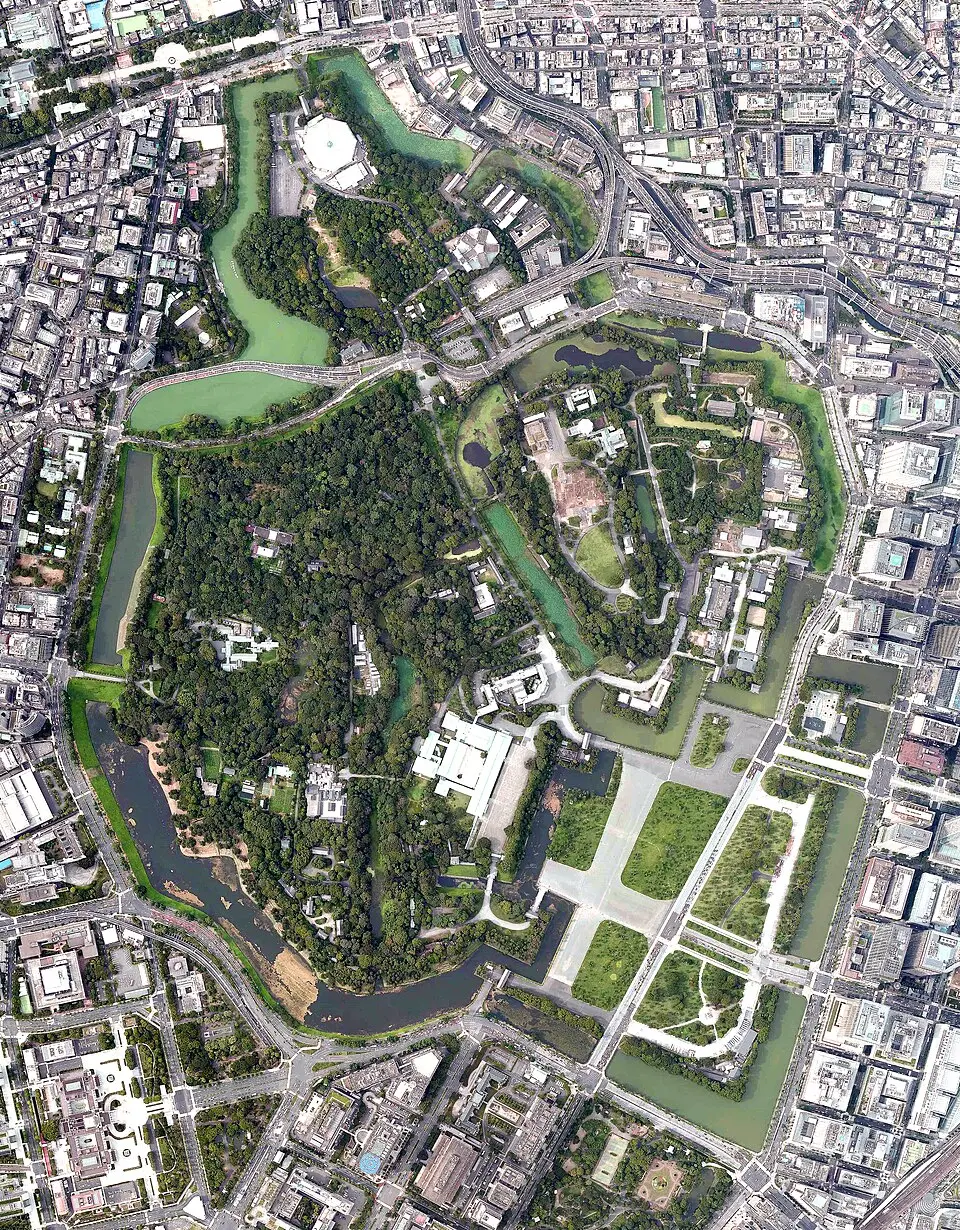
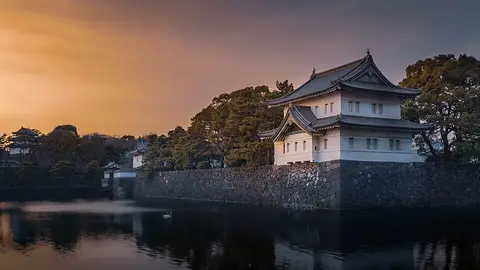
Edo Castle, today part of the Imperial Palace in Tokyo, was the center of power of the Tokugawa shogunate during the Edo period from 1603 to 1867 and was considered the largest fortress complex in Japan. Its history goes back to 1457, when the military strategist Ōta Dōkan had the complex built on a promontory above Tokyo Bay. After the structure fell into disrepair, Tokugawa Ieyasu decided to take advantage of its strategic position and expand the castle extensively. After his victory at the Battle of Sekigahara in 1600, he ruled the country from here. The complex followed the typical pattern of Japanese castles and consisted of the central main enclosure, the Honmaru, along with several outlying defensive rings. These areas were protected by deep moats, high ramparts, defensive towers, and fortified gate complexes. In front of the castle proper stood the estates of the most important retainers, which were likewise secured by walls and gates.
Today you can still see the remains of this massive defensive structure in the heart of Tokyo. The Honmaru was once occupied by a large residence, which was rebuilt after several fires, including the devastating Great Fire of Meireki in 1657. This residence was divided into a front section with audience halls and a Noh stage and a strictly secluded rear section, the Ōoku, where the shogun's women lived. A famous historical event took place in the so-called Great Pine Corridor, where in 1701 the conflict between Asano Naganori and Kira Yoshinaka escalated, leading to the legend of the 47 Rōnin. A memorial stone now stands at the presumed site of this corridor. Originally, a five-story main keep, the Tenshukaku, dominated the castle's appearance. It was not rebuilt after the great fire of 1657, since the shogunate, having eliminated its rivals, no longer feared any external threats.
After the Meiji Restoration in 1868, the castle was peacefully handed over to the imperial family and renamed Imperial Castle. The emperor initially moved into the residence in the western castle district before a new palace was built in 1888. The eastern and northern parts of the former complex are now open to the public and are used in a variety of ways. Many street names in Tokyo, such as Ōtemachi and Marunouchi, still recall the castle's original layout. The site was designated a Special Historic Site in 1963 and remains an important place for understanding Japan's political and military history.
At a glance
- Category
- Sight › Historic sites
- Rating
- no reviews yet · write a review
- Address
- 千代田1-1
100-8111 Tokyo, Japan - District
- Chiyoda
- Phone
- +81332130095
- Website
- —
- —
- Coordinates
- 35.68813° N · 139.75447° E
- Data quality
- confidence 0.92
- Identifier
- ID 8afdba6f-132…
Part of the tour
Marunouchi and Ginza: A Day of Eating and Drinking →Location & surroundings
Toggle layersFAQ about 江戶城 Edo Castle
quick answersWhat is Edo Castle in Tokyo?
Edo Castle (江戶城) is a historic castle complex in Tokyo's Chiyoda district and today forms part of the Imperial Palace. During the Edo period from 1603 to 1867, it was the center of power of the Tokugawa shogunate and was considered the largest fortress in Japan. It consisted of a central main compound, the Honmaru, and several outer defensive rings with deep moats, high ramparts, watchtowers, and fortified gates.
How old is Edo Castle, and what is its history?
The history of Edo Castle in Tokyo goes back to 1457, when the military strategist Ōta Dōkan had the first fortress built on a promontory above Tokyo Bay. Tokugawa Ieyasu extensively expanded the dilapidated castle and, after his victory at the Battle of Sekigahara in 1600, ruled the country from here. After the Meiji Restoration in 1868, it was peacefully handed over to the imperial family and renamed the Imperial Castle; a new palace was built in 1888. Since 1963, the site has been designated a Special Historic Site.
What can you see on the grounds of Edo Castle today?
The eastern and northern parts of the former Edo Castle in Tokyo are open to the public, where you can see remnants of the massive defensive works, including moats, ramparts, and gates. At the presumed location of the Great Pine Corridor, a memorial stone commemorates the 1701 conflict between Asano Naganori and Kira Yoshinaka, which led to the legend of the 47 Rōnin. The five-story main keep, the Tenshukaku, no longer exists, as it was not rebuilt after the Great Fire of Meireki in 1657.
What sights are located around Edo Castle?
Around Edo Castle in Tokyo, there are several other historic sites within walking distance. travelguide195 lists the Imperial Palace East Garden (about 13 meters), the Kitahanebashi Gate (北桔橋門, about 93 meters), the site of the Ōoku (江戸城大奥跡, about 126 meters), and the Inui Moat (乾濠, about 176 meters) in the immediate vicinity. A little farther away, you'll find the National Archives of Japan (国立公文書館, about 227 meters), the Main Gate of the Imperial Palace (皇居正門, about 229 meters), and the Fujimi-tamon defensive structure (富士見多聞, about 235 meters).
Are there restaurants and tours near Edo Castle?
Yes, there are plenty of dining options around Edo Castle in Tokyo. travelguide195 lists about 32 restaurants within 500 meters. Edo Castle is also part of the tour "Marunouchi and Ginza: A Day of Eating and Drinking," which includes the Marunouchi district, whose name still recalls the original structure of the castle.
Ratings & comments
none yetNear 江戶城 Edo Castle
closest 5 per category · 2 kmSights
Museums
More:Historic sites in Tokyo (3,145)All sights in Tokyo (3,603)
292 places within 2 km loaded.
You need a free account to leave reviews and photos – that keeps comments genuine and lets you edit them later.