Discovering Kawasaki: Temples, Doraemon and Factory Backdrops
Travel guide · editorialThe rhythmic clacking of knives on wooden boards accompanies the walk to the temple: in the lane in front of Kawasaki Daishi, vendors chop candy sticks in time. Squeezed between Tokyo and Yokohama, Kawasaki is often overlooked on a trip to Japan. Yet the city on the Tama River offers one of the most visited temples in the country, one of its quirkiest festivals and a museum for Doraemon fans – ideal for a day trip or a short city break away from the main tourist flows.
From Post Station to Industrial City
In the Edo period, Kawasaki was the second station on the Tōkaidō highway between Edo and Kyoto, a place for travelers, changing horses and inns. The Tōkaidō Kawasaki-shuku Kōryūkan, a small museum near the train station, recalls this past. From the early 20th century, the Keihin industrial zone arose along the coast with steelworks, refineries and chemical plants, which for a long time earned Kawasaki a reputation as a gray working-class city. Today more than 1.5 million people live here, many commuting to Tokyo, and districts like Musashi-Kosugi with its residential towers stand for the new, young Kawasaki.
Sights in Kawasaki
The temple Heiken-ji, known as Kawasaki Daishi, is the spiritual center of the city. Every year at New Year, millions of people come here for the first prayer of the year. The Nakamise shopping street leads to the gate, lined with shops selling tontan-ame – ginger candy whose making is a spectacle in itself. Close by is the Wakamiya Hachimangū with the Kanayama Shrine, where the Kanamara Matsuri takes place on the first Sunday in April: a fertility festival with a phallus procession that now attracts many international visitors and raises donations for HIV awareness.
Museums and Culture in the Green West
In the hilly west of the city, around Noborito and Ikuta Ryokuchi Park, Kawasaki shows its quiet side. The Fujiko F. Fujio Museum is dedicated to the creator of Doraemon, the blue robot cat, with original drawings, a themed café and photo spots; tickets must be reserved in advance. In the same park is the open-air museum Nihon Minka-en with historic farmhouses from all over Japan, whose thatched roofs evoke another century. Also there, the Taro Okamoto Museum shows works by the eccentric artist who created the Tower of the Sun for Expo 1970. If you need some exercise afterward, follow the park's forest paths to viewpoints over the Tama valley. Along the riverbank itself, long cycling and walking paths stretch out, busy on weekends with joggers, anglers and families with picnic blankets – a counterbalance to the dense sea of houses in the east of the city.
Industrial Night Views and Going Out
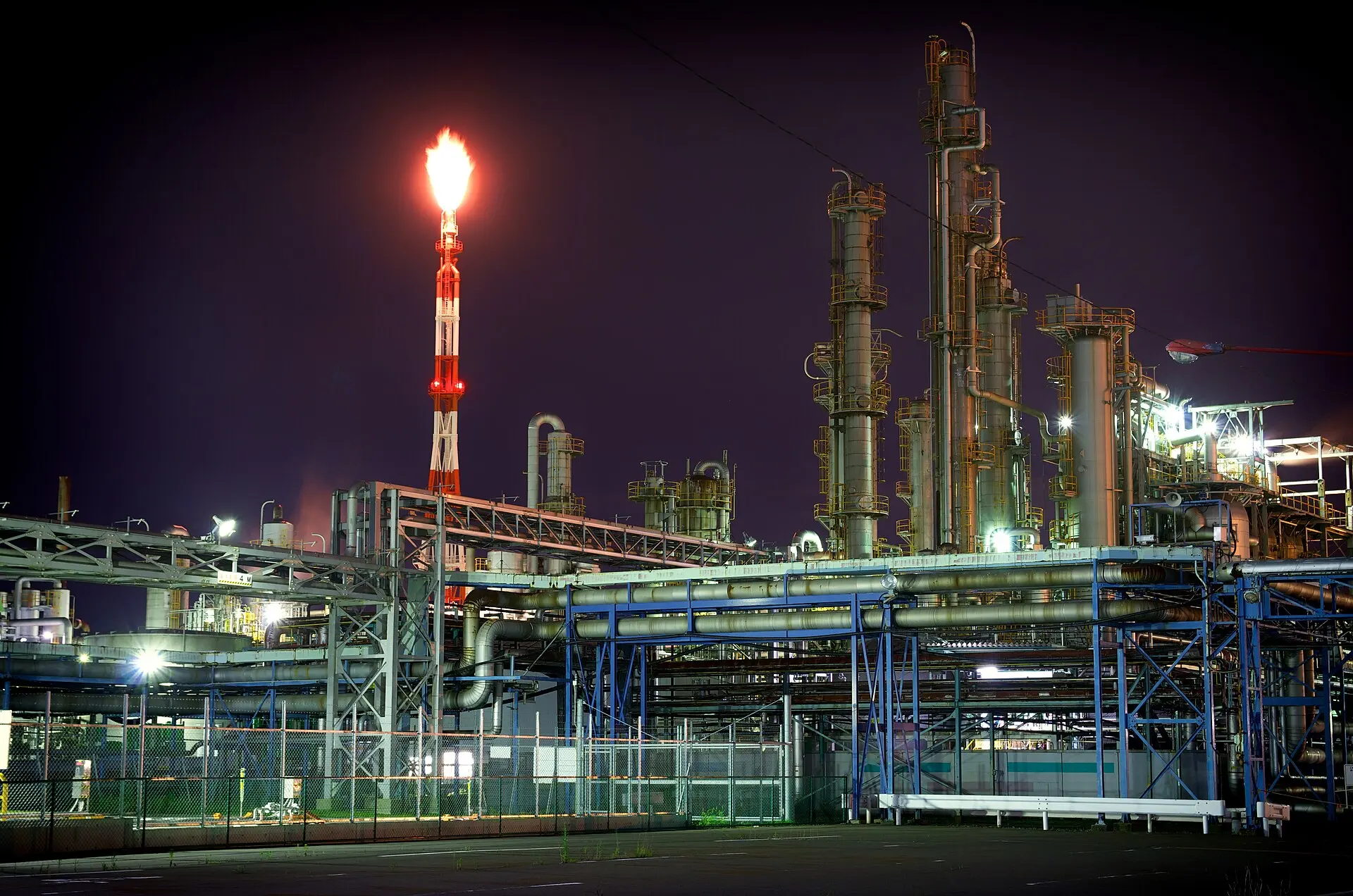
What was once considered a flaw is now an attraction: Kōjō Yakei, the nighttime viewing of illuminated factory complexes. Boat and bus tours lead through the Keihin industrial zone, where pipes, smokestacks and flares glow like a science-fiction set. Around Kawasaki Station, in the Ekimae Honchō district, you'll find shopping centers such as LaZona Kawasaki, movie theaters and the Italian-style entertainment strip La Cittadella. In the alleys behind, izakaya, yakitori stands and ramen shops await. If you like soccer, catch a Kawasaki Frontale match at Todoroki Stadium.
Eating in Kawasaki
Kawasaki has hardly any cuisine of its own, but it does have a dense selection of restaurants offering Tokyo-level quality at lower prices. Around the temple, kuzumochi is the traditional sweet, a glassy cake made from fermented wheat starch with syrup and soybean flour. Kawasaki also cultivates a Korean-influenced food culture: in the Sakuramoto district and on the so-called Cement-dōri, you'll find yakiniku restaurants whose history goes back to the postwar years. Mizonokuchi and Musashi-Kosugi tempt with cafés and small bistros.
Getting Around Kawasaki and the Best Time to Visit
Kawasaki is perfectly connected: on the JR Tōkaidō Line, Tokyo and Yokohama are each about 15 to 20 minutes away, and the Keikyū Line connects to Haneda Airport, which lies just across the Tama River. The Nambu Line serves the city from north to south and takes visitors to Noborito. The best times to visit are spring and autumn; in April, the Kanamara Matsuri and the cherry blossoms along the Tama riverbank are a draw, and New Year at Kawasaki Daishi is an experience, if a very crowded one.