Kanagawa Prefecture: Yokohama, Kamakura and Hakone
Travel guide · editorialA vacation in Kanagawa Prefecture brings together a port city, samurai history and hot springs in a compact area. Just south of Tokyo you'll find cosmopolitan Yokohama, Kamakura, the old shogunate capital, and the volcanic highlands of Hakone with views of Mount Fuji. Many people visit the region as a day trip, but it's worth several days.
Landscape and Location
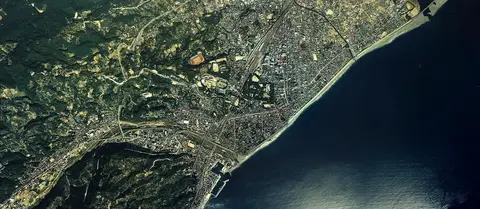
Kanagawa stretches from Tokyo Bay in the east to Sagami Bay in the south. The Miura Peninsula juts out into the sea between the two, while the Tanzawa Mountains and the Hakone volcano rise in the west. The north, with Kawasaki and Sagamihara, is part of the capital's metropolitan area, while coastal towns such as Fujisawa, Hiratsuka and Odawara line the Shōnan coast, regarded as the cradle of Japanese surf culture. The prefecture is the second most populous in Japan. It is so densely settled that city limits are barely noticeable; even so, hiking trails in the Tanzawa Mountains are only an hour by train from Yokohama. In summer, the beaches of Zushi, Kamakura and Enoshima turn into open-air bars known as umi no ie, where you can get showers, loungers and grilled corn. Sagamihara in the north is home to a research center of the space agency JAXA, from which the Hayabusa asteroid mission was controlled.
Yokohama and Kawasaki
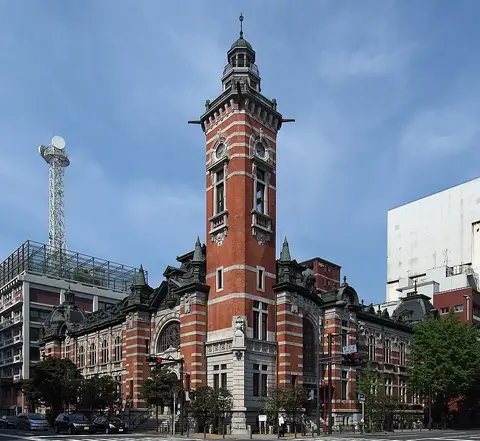
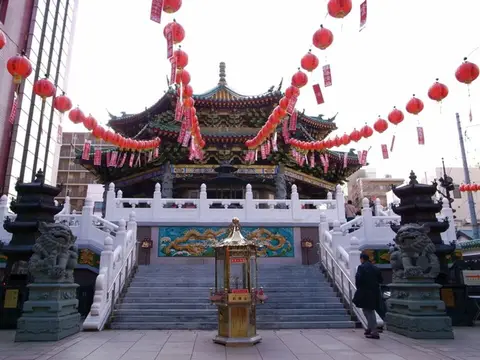
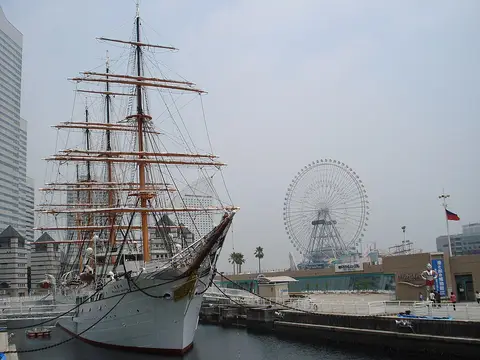
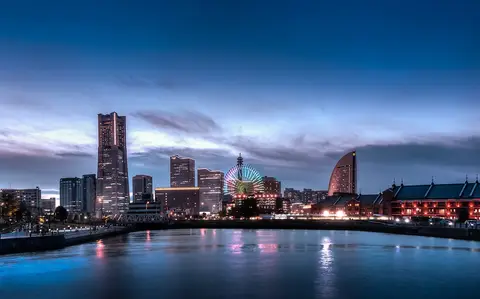
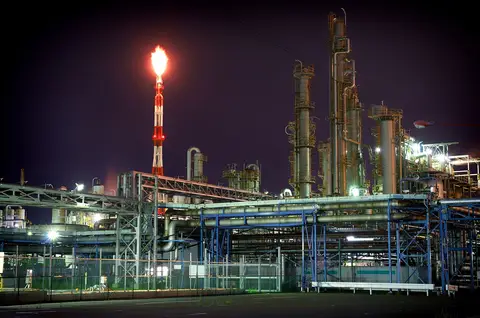
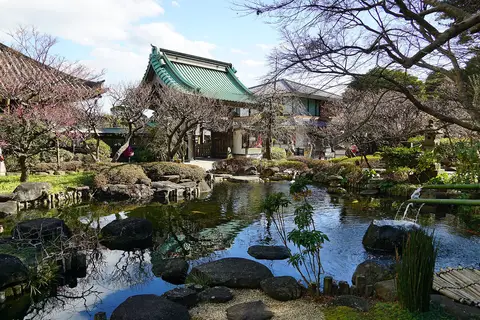
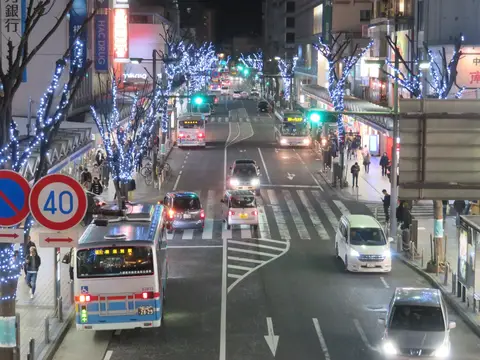
When Japan's ports opened in 1859 after a long period of isolation, Yokohama became the gateway for Western merchants. The brick warehouses at the harbor, the foreign district of Yamate with its mansions and cemetery, and Chinatown, the largest in the country, with hundreds of restaurants and the colorful Kanteibyō temple, all bear witness to that era. Minato Mirai 21 rises along the waterfront with the Landmark Tower and a Ferris wheel. The Sankeien Garden presents historic buildings from all over Japan amid ponds. Kawasaki is primarily an industrial city, but it has the much-visited Kawasaki Daishi temple and a museum dedicated to the manga artist Fujiko F. Fujio, creator of Doraemon.
Sights in Kamakura and Along the Coast
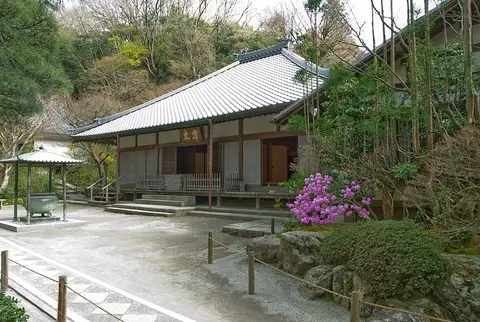
Kamakura was the seat of the first shogunate beginning in 1192 and is now one of the most popular destinations in Kanagawa. The Great Buddha of Kōtoku-in, a bronze statue more than 11 meters tall, has sat under the open sky since the 13th century, after a tidal wave destroyed its hall. Tsurugaoka Hachimangū forms the spiritual heart of the city, while the Zen temples Kenchō-ji and Engaku-ji lie in wooded valleys. In June, the hydrangeas bloom at Meigetsu-in. The little Enoden train takes you to Enoshima, an island with shrines, caves and a lighthouse. Yokosuka on the Miura Peninsula is a naval base; the historic battleship Mikasa is on display there as a museum.
Hakone and Odawara
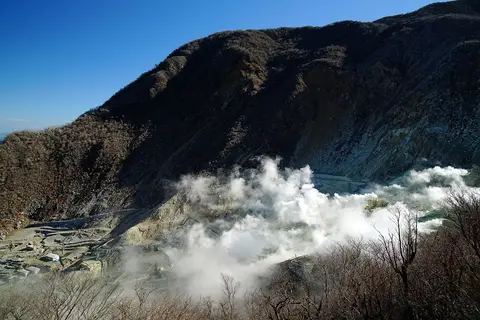
Hakone has been a spa resort for centuries. If you take the loop tour, you ride the mountain railway uphill, glide by cable car over the steaming Ōwakudani valley, where you can buy black eggs boiled in sulfur springs, and cross Lake Ashi on a replica pirate ship. In clear weather, Mount Fuji is reflected in the water, and the red torii of Hakone Shrine glows on the shore. The open-air museum displays sculptures from Henry Moore to Picasso. Down in the valley, Odawara guards a reconstructed castle and is famous for kamaboko, fish paste, and pickled plums.
Eating and Drinking
Yokohama introduced Japan to Western food; the classic Napolitan spaghetti originated here, and the Ramen Museum in Shin-Yokohama presents noodle soups from all over the country. Ie-kei ramen, with its rich pork-and-soy broth, also comes from the city. Along the coast, you can eat shirasu, tiny young fish, raw or cooked over rice, especially in Kamakura and Enoshima. Tuna boats land their catch in Misaki at the tip of the Miura Peninsula, and in Hakone you spend the evening at a ryokan with a kaiseki meal.
Getting There and Best Time to Visit
From Tokyo, you can reach Yokohama in about half an hour and Kamakura in about an hour on the JR Yokosuka Line. The Odakyū Romancecar runs directly from Shinjuku to Hakone-Yumoto, and the Shinkansen stops at Shin-Yokohama and Odawara. Haneda Airport is practically on the prefectural border. The best times to visit are considered to be spring for the cherry blossoms, June for Kamakura's hydrangeas, and autumn for clear views of Fuji and fall foliage in Hakone. In July and August, the beaches of Zushi and Yuigahama fill up.