Discover Kamakura: Great Buddha, Zen, and the Sea
Travel guide · editorialAn hour south of Tokyo, between wooded hills and Sagami Bay, Japan's first shoguns once ruled the country. A vacation in Kamakura combines Zen temples, the famous Great Buddha, and beaches where surfers and families from the capital gather on weekends.
Capital of the Samurai
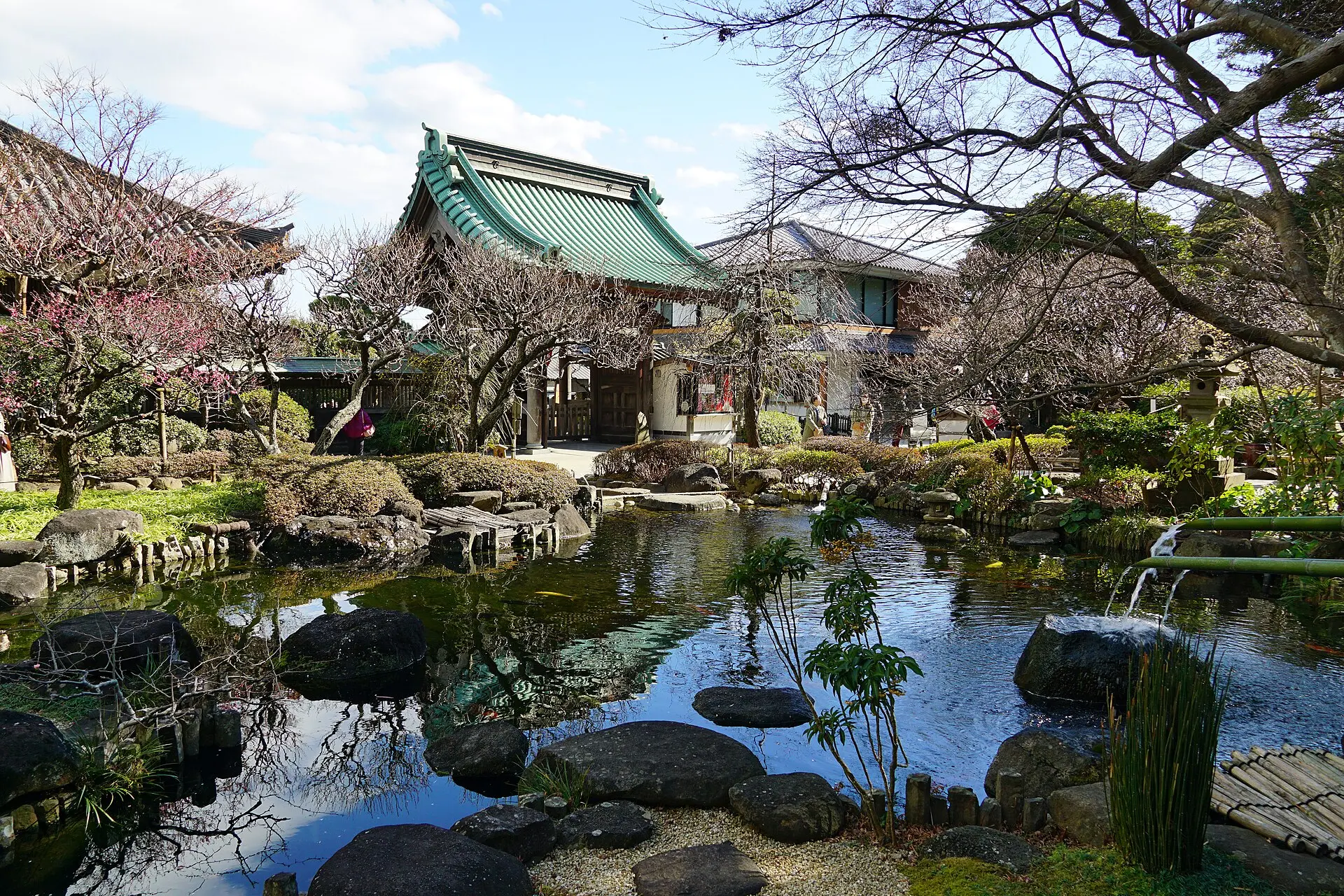
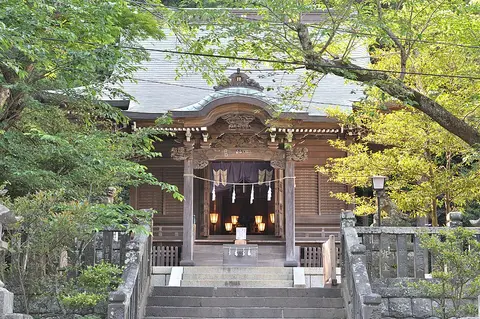
In the late 12th century, Minamoto no Yoritomo made Kamakura, protected by hills and the sea, the seat of Japan's first military government. The country was governed from here until 1333, and it was during this period that Zen Buddhism gained a foothold in Japan. The great temples that rank among the most important sights in Kamakura today date from this era. Tsurugaoka Hachimangū, the Minamoto clan's guardian shrine, is the center of the city; the broad boulevard Wakamiya-Ōji runs straight from the sea up to it.
Temples, Buddha, and Hiking Trails
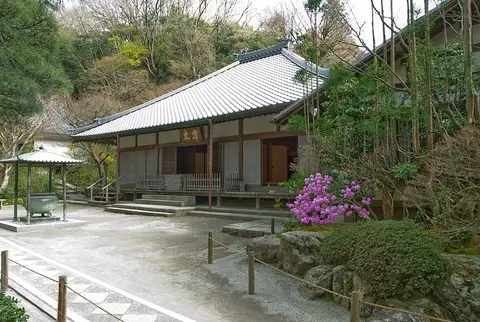
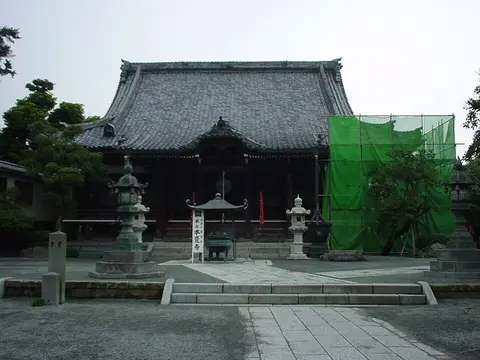
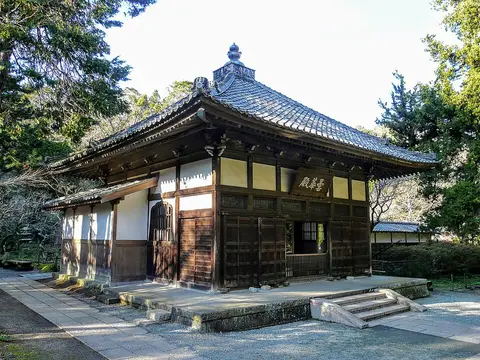
The Great Buddha of Kōtoku-in, a bronze figure about 36 feet (11 meters) tall dating from the 13th century, has sat under the open sky ever since a tidal wave at the end of the 15th century. Nearby, Hase-dera looks out over the bay from a hillside; in June, thousands of hydrangeas bloom here and at Meigetsu-in to the north. In Kita-Kamakura you'll find the great Zen monasteries Engaku-ji and Kenchō-ji, which are among the city's five most important Zen temples. At the Zeniarai Benten Shrine, visitors wash their money in spring water in the hope of multiplying it. Hiking trails such as the Daibutsu Trail link the temples along wooded ridges.
Eating in Kamakura
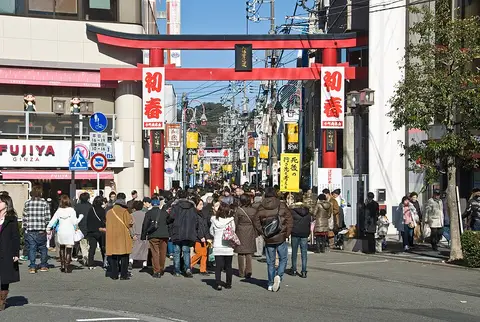
The bustling Komachi-dōri, running from the station toward Hachimangū, is a mile of snacks: grilled rice crackers, sweet potato ice cream, and dango. The coast's specialty is shirasu, tiny young fish served fresh or cooked over a bowl of rice as shirasu-don. Shōjin ryōri, vegetarian temple cuisine, can be sampled at a few restaurants near the Zen monasteries. As a souvenir, the dove-shaped shortbread cookie Hato Sablé has been a classic for over a century. In the evening, small bars and cafés around the station offer a relaxed seaside atmosphere.
Beach, Enoden, and Ōfuna
Yuigahama Beach is packed with swimmers in summer, and the Enoden train rattles along the coast to the island of Enoshima in neighboring Fujisawa, with views of Mount Fuji on clear days. To the north, the white Ōfuna Kannon above Ōfuna Station marks the gateway to the city; the station is an important transfer point with shopping streets and markets.
Getting There and Best Time to Visit
You can reach Kamakura from Tokyo in about an hour on the JR Yokosuka Line or the Shōnan-Shinjuku Line; from Haneda Airport, you'll need to change trains in Yokohama. Once there, you can take the Enoden, ride a bus, or walk; weekends get very crowded, so a weekday visit is worth considering. The best time to visit is April, June for the hydrangea bloom, and late November for the autumn foliage. If you want to avoid the crowds, start early in the morning in Kita-Kamakura and work your way south through the temples. A day trip combines well with Enoshima or the port city of Yokohama; if you stay overnight, you'll find the temple lanes surprisingly quiet in the evening. Day passes for the Enoden and buses save time and money.