Discover Fujisawa: Enoshima, Surfing, and Shirasu
Travel guide · editorialWhen Tokyoites talk about the sea, they often mean Shōnan – and the heart of this coast beats in Fujisawa. A vacation in Fujisawa means surfboards on Katase Beach, a sacred island with caves and a lighthouse, and bowls full of tiny fish that are only this fresh right here.
A Post Station on the Tōkaidō
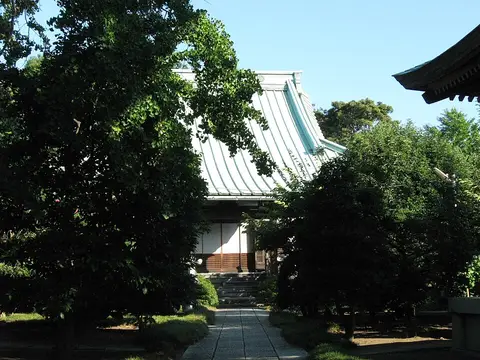
In the Edo period, Fujisawa-juku was the sixth station on the Tōkaidō, the great road between Edo and Kyoto. Travelers stopped here, many of them on their way to make a pilgrimage to Enoshima, an island dedicated to the goddess Benzaiten. In the city center you'll find Yugyō-ji, the head temple of the Ji school of Buddhism, with a mighty ginkgo tree and a large wooden hall. The railway later brought beach tourism, and in the 1950s and '60s the Shōnan coast became the epitome of youth, summer, and surf culture.
Sights in Fujisawa
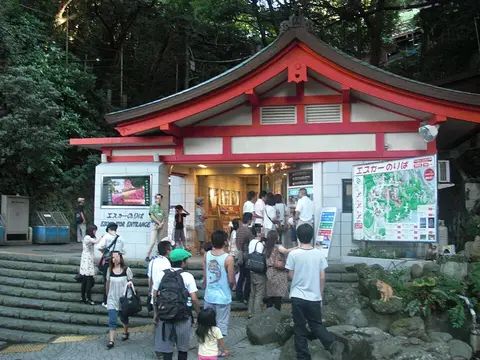
Enoshima can be reached on foot via a long bridge. A steep lane lined with restaurants and souvenir shops leads up to Enoshima Shrine with its three sanctuaries. If you'd rather not climb, you can take the covered escalators. At the top stands the Sea Candle, an observation tower in Samuel Cocking Garden, from which you can see Mount Fuji rising above Sagami Bay in clear weather. On the back side of the island, the Iwaya Caves open up, which you explore by candlelight. Enoshima's yacht harbor hosted the Olympic sailing competitions in 1964 and 2021. On the mainland, the Enoshima Aquarium shows jellyfish and dolphin shows with a view of the sea.
Beaches and Food in Fujisawa
The beaches of Katase-Higashihama and Katase-Nishihama on either side of the bridge fill up in summer with beach huts, surf schools, and volleyball nets. The rest of the year they belong to surfers, joggers, and dog owners. The culinary calling card is shirasu, young sardines served raw or boiled over rice as shirasu-don. You can only get them raw when the boats have just come in; in stormy weather they aren't available. Add to that grilled seafood, tako-senbei (flat-pressed octopus crackers), and a growing number of surfer-style cafés.
Going Out and Coastal Living
Shōnan has its own lifestyle, and you feel it most after sunset. Around Fujisawa Station, izakaya, yakitori joints, and pubs line the streets, while in Katase and Tsujidō laid-back beach bars, burger joints, and cafés with sea views dominate. In summer the beach huts host concerts and DJ nights. In early August a fireworks display takes place over the bay, drawing thousands to the beach. In Tsujidō, a modern district with a shopping center has developed on a former factory site, and cyclists and skaters roll along the coastal Route 134. On some days, even the fishermen sell their catch directly at Katase harbor.
Getting Around and Best Time to Visit
The Odakyū Line takes travelers from Shinjuku directly to Katase-Enoshima, on weekends also by Romancecar. The JR Tōkaidō Line stops at Fujisawa Station. From there, the little Enoden train rumbles along the coast to Kamakura, while the Shōnan Monorail glides above the rooftops from Ōfuna. The best time to visit is early summer, before the beaches get crowded, or September, with warm water and good waves. In winter, the view of Mount Fuji is at its clearest.