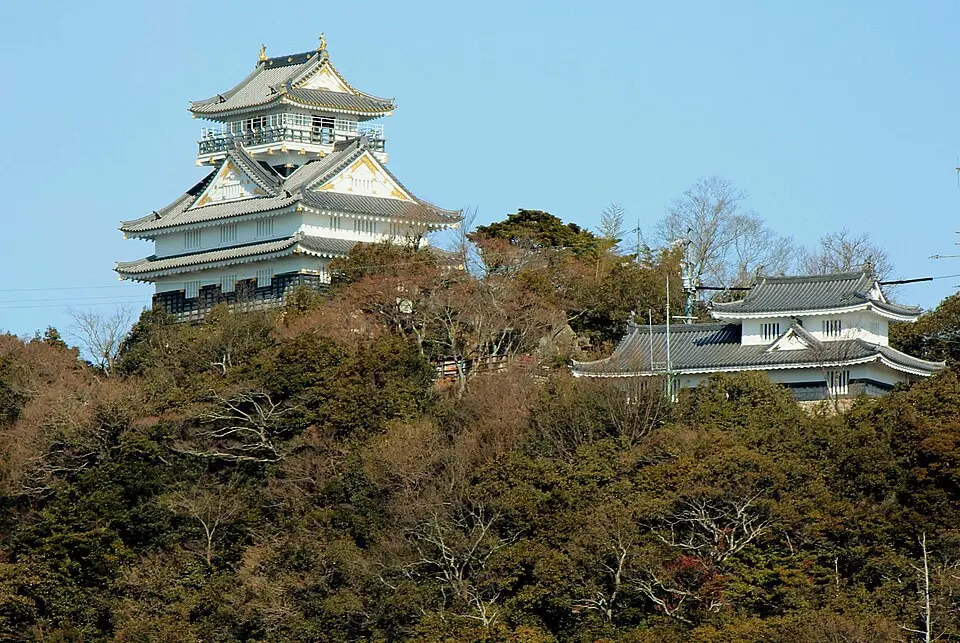
About Gifu Castle
Gifu Castle perches atop 329-meter-high Mount Kinka, south of the Nagara River, and is historically known as the residence of the powerful warlord Oda Nobunaga. Originally founded as Inabayama Castle in the early 13th century, it later served the governors of Mino Province. After Nobunaga conquered it in 1567, the complex was expanded and renamed Gifu. It consisted of a central castle tower on the summit, several lines of defense, and an extensive castle town at the foot of the mountain, which served as the headquarters of his rule. After Nobunaga moved to Azuchi and the Tokugawa faction later won out, the castle was demolished. Today the site is a public park, where the castle tower was reconstructed in concrete in 1956. You can reach the grounds on foot via historic trails or take the convenient ropeway. At the top, you'll enjoy sweeping views over the city and the surrounding landscape, while the reconstructed structure gives you a sense of the site's former military and political importance.
At a glance
- Category
- Sight › Castles
- Rating
- no reviews yet · write a review
- Address
- 岐阜市金華山天守閣18
500-0000 Gifu, Japan - Phone
- +81582634853
- Website
- www.city.gifu.lg.jp
- —
- Coordinates
- 35.43389° N · 136.78222° E
- Data quality
- confidence 0.98
- Identifier
- ID 812b09e2-379…
Location & surroundings
Toggle layersFAQ about Gifu Castle
quick answersWhat is Gifu Castle?
Gifu Castle sits atop 329-meter-high Mount Kinka in the Japanese city of Gifu, south of the Nagara River. It is best known as the former residence of the powerful warlord Oda Nobunaga, who used it as the headquarters of his rule. Today the grounds are a public park with a castle keep that was rebuilt in concrete in 1956.
How old is Gifu Castle, and what is its history?
Gifu Castle was founded in the early 13th century as Inabayama Castle and later served the governors of Mino Province. After Oda Nobunaga conquered it in 1567, it was expanded and renamed Gifu; the complex included a keep at the summit, several lines of defense, and an extensive castle town at the foot of the mountain. After Nobunaga moved to Azuchi and the Tokugawa faction later prevailed, the castle was demolished.
How do you get up to Gifu Castle?
To reach Gifu Castle on Mount Kinka in Gifu, you can either hike up along historic trails or take the ropeway for an easy ride. At the top, you'll enjoy sweeping views over the city of Gifu and the surrounding landscape.
What can you see around Gifu Castle?
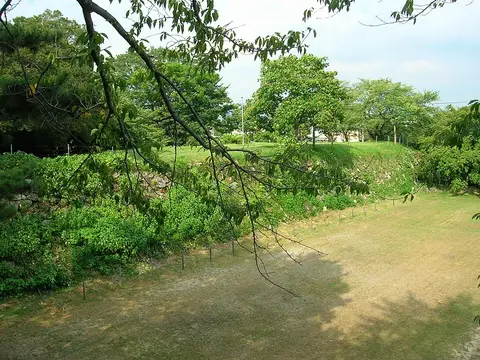
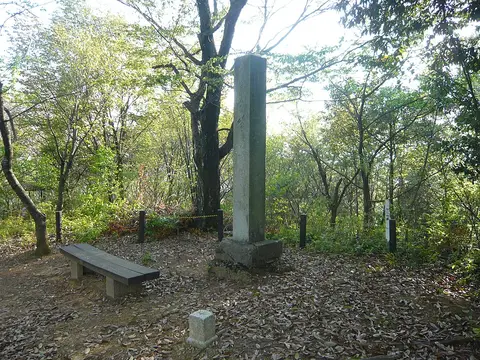
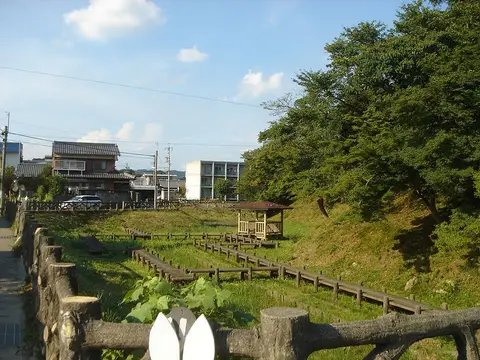
Several historic sites and museums lie around Gifu Castle; travelguide195 lists the following within 1 km, among others. Right at the summit you'll find the memorial 岐阜城 題目塚 (about 100 m), the remains of the former riding ground 岐阜城 馬場跡 (about 170 m), and the viewpoint 金華山展望台 (about 210 m). A little farther away are the Kato Eizo & Toichi Memorial Art Museum (about 650 m), the site of Oda Nobunaga's former residence 織田信長居館跡 (about 670 m), and the museum 水の体験学習館 (about 510 m).
Are there restaurants near Gifu Castle?
Yes, travelguide195 lists about 3 restaurants within 500 meters of Gifu Castle on Mount Kinka in Gifu.
Ratings & comments
none yetNear Gifu Castle
closest 5 per category · 2 kmMuseums
Hotels
Cocktail bars
None within 2 km.
107 places within 2 km loaded.
You need a free account to leave reviews and photos – that keeps comments genuine and lets you edit them later.
Gifu Castle sits atop Mt. Kinka, and the main attraction is a 360-degree panoramic view from the top floor. The castle was historically significant as Oda Nobunaga used it as a headquarters when unifying Japan, however the castle was destroyed in 1601, after the Battle of Sekigahara. The current castle was completed in 1956 and underwent a major renovation in 1997. Inside the castle is a small museum with armor, swords, maps, etc. The castle is open for night viewing in the summer. Getting to the top of Mt. Kinka requires either a ropeway ride or a hike.
Source: Wikivoyage, „Gifu“ · authors per page history · CC BY-SA 4.0