Gifu Prefecture: Takayama, Shirakawa-gō and Cormorant Fishing
Travel guide · editorialA vacation in Gifu Prefecture takes you into the mountainous heart of Japan, to Edo-period wooden houses, thatched-roof farming villages and rivers where fishermen work at night with cormorants. Gifu lies between Nagoya and the Japanese Alps and is one of the few landlocked prefectures in the country. Takayama and Shirakawa-gō are the best-known names, but by no means the only reasons to visit.
Mino and Hida
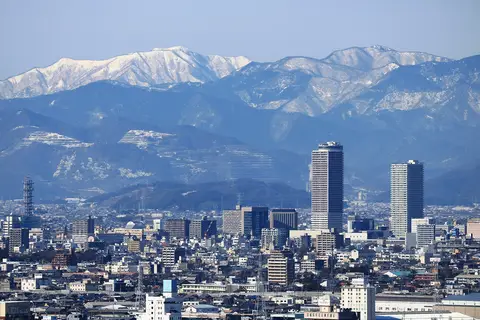
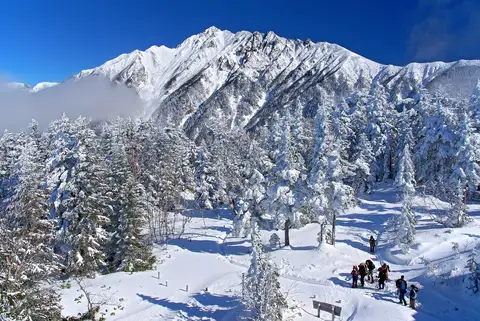
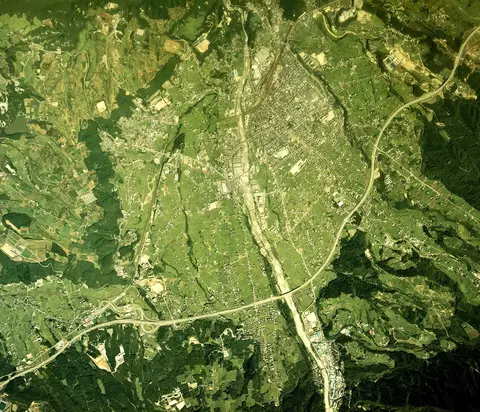
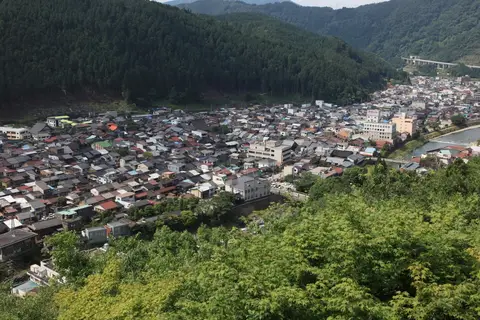
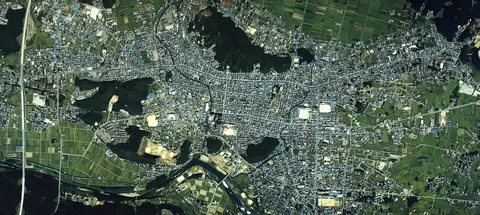
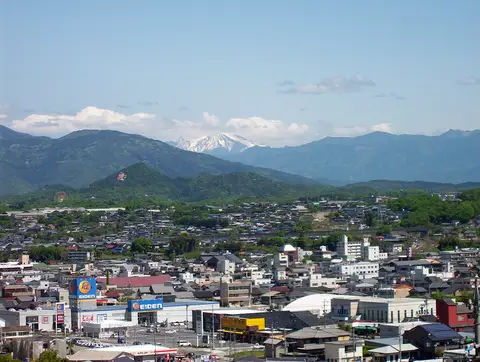
The prefecture consists of two historic provinces with very different characters. In the south lies Mino, a flat, warm plain along the Nagara and Kiso rivers with cities such as Gifu, Ōgaki, Kakamigahara, Tajimi and Kani. The north, Hida, is a rugged highland with peaks above 3,000 meters, long winters and heavy snowfall. Mount Ontake, an active volcano, and the Northern Alps form the border with Nagano. Gifu has more forest than almost any other prefecture, and its rivers are considered exceptionally clear.
Sights in Gifu Prefecture
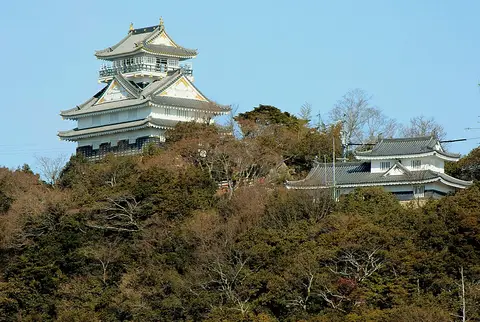
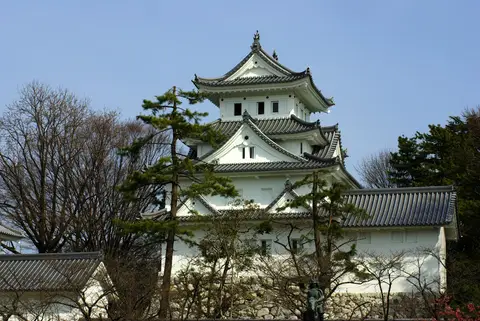
Shirakawa-gō is a village of gasshō-zukuri houses, whose steep thatched roofs resemble hands folded in prayer. Together with Gokayama in Toyama, it has been a UNESCO World Heritage Site since 1995. In winter, the snow-covered houses are illuminated on a few evenings, and from the Shiroyama viewpoint you can see the entire valley. In its Sanmachi Suji district, Takayama preserves merchant houses, sake breweries with cedar balls hanging over the door, and morning markets by the river. The historic government building Takayama Jinya is the only surviving one of its kind. In Gifu City, a reconstructed castle sits atop the steep Mount Kinka and once served as a base for Oda Nobunaga. Gujō Hachiman is crisscrossed by waterways and is known for its summer festival, during which residents dance through the streets for nights on end.
Cities and Towns
Ōgaki is a "water city" of canals, where the poet Bashō ended his great journey. Kakamigahara has an aerospace museum, and Tajimi and Toki are centers of Mino ceramics, which supply about half of Japan's tableware. Seki has been a town of swordsmiths and knife makers for centuries; at the museum, smiths demonstrate their craft. Nakatsugawa lies on the old Nakasendō, and the post town of Magome, with its stone-paved lanes, is the starting point of the popular hike to Tsumago. Gero Onsen is considered one of Japan's three best hot spring resorts. Washi paper is made in Mino, and the technique is part of UNESCO's intangible cultural heritage; the old town with its udatsu fire walls shows the former prosperity of the paper merchants. In autumn, lanterns made of Mino paper decorate the lanes during the Akari Festival.
Food and Drink
Hida beef is one of Japan's finest wagyu brands; in Takayama you can eat it as nigiri sushi on rice crackers, on a skewer, or as hōba miso, cooked on a magnolia leaf over charcoal. Takayama ramen with a clear soy broth is a classic. Ayu, small freshwater fish, are grilled along the Nagara in summer, and Gifu is famous for kuri-kinton, a sweet made from chestnuts from Nakatsugawa. Gujō and Gero are known for soba, and in Takayama several sake breweries open their tasting rooms.
Festivals and Traditions
Cormorant fishing on the Nagara has been practiced for more than 1,300 years. From May to October, fishermen in traditional dress head out on boats carrying torches and send leashed cormorants diving for fish; spectators follow in tour boats. The Takayama Festival in April and October, with its lavishly decorated floats and mechanical puppets, is one of the most beautiful festivals in Japan. In Gujō Hachiman, workshops make plastic replicas of food, which you can try making yourself.
Getting There and Best Time to Visit
You can reach Gifu City from Nagoya in about 20 minutes by train, and the Shinkansen stops at nearby Gifu-Hashima. To get to Takayama, the Hida Express runs from Nagoya in about two and a half hours through river valleys; from there, buses go to Shirakawa-gō and Kanazawa. There is no airport of its own. The best times to visit are April and October for the festivals in Takayama, October and November for the autumn foliage, and January and February for the snowy village of Shirakawa-gō. Cormorant fishing takes place from May to mid-October.