Discover Takayama: Old Town, Festival Floats and Hida Beef
Travel guide · editorialDark wooden facades, cedar balls hanging above the doors of sake breweries, and the clatter of wooden sandals on narrow lanes: Takayama, in the mountains of Hida, preserves an old town that ranks among the most beautiful in Japan. For a trip to Japan that goes beyond Tokyo and Kyoto, the city is a highlight and the gateway to the Japanese Alps.
Sanmachi and the Merchant Town
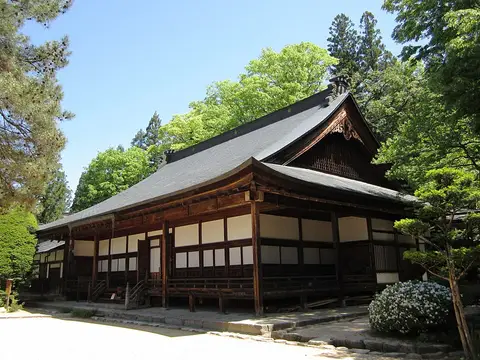
During the Edo period, the Hida region was under the direct control of the shogunate because of its valuable forests. The carpenters of Hida were famous throughout the country, and their skill shaped temples in Kyoto and Nara. The wealthy merchants of Takayama had houses with latticed windows and wooden facades built in the Sanmachi Suji district; today they hold shops, cafés and breweries. Several merchant houses, such as the Kusakabe and Yoshijima houses, are open to visitors as museums and show off open roof structures made of massive beams. At the end of the old town stands Takayama Jinya, the only surviving shogunate administrative building in Japan, complete with a courtroom and a rice storehouse.
The Takayama Festival
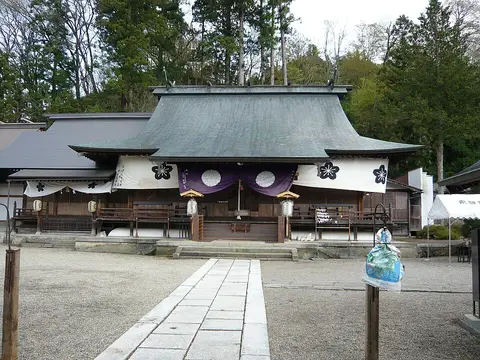
Twice a year, on April 14 and 15 and on October 9 and 10, magnificent festival floats move through the streets, decorated with lacquer, carvings and brocade. Some carry mechanical puppets that perform tricks on the roof; in the evening, the floats are lit with hundreds of lanterns. The festival is counted among Japan's three most beautiful and is part of the UNESCO cultural heritage of float festivals. If you don't come during the festival, you can see several floats in the exhibition hall at Sakurayama Hachiman Shrine.
Sights in Takayama
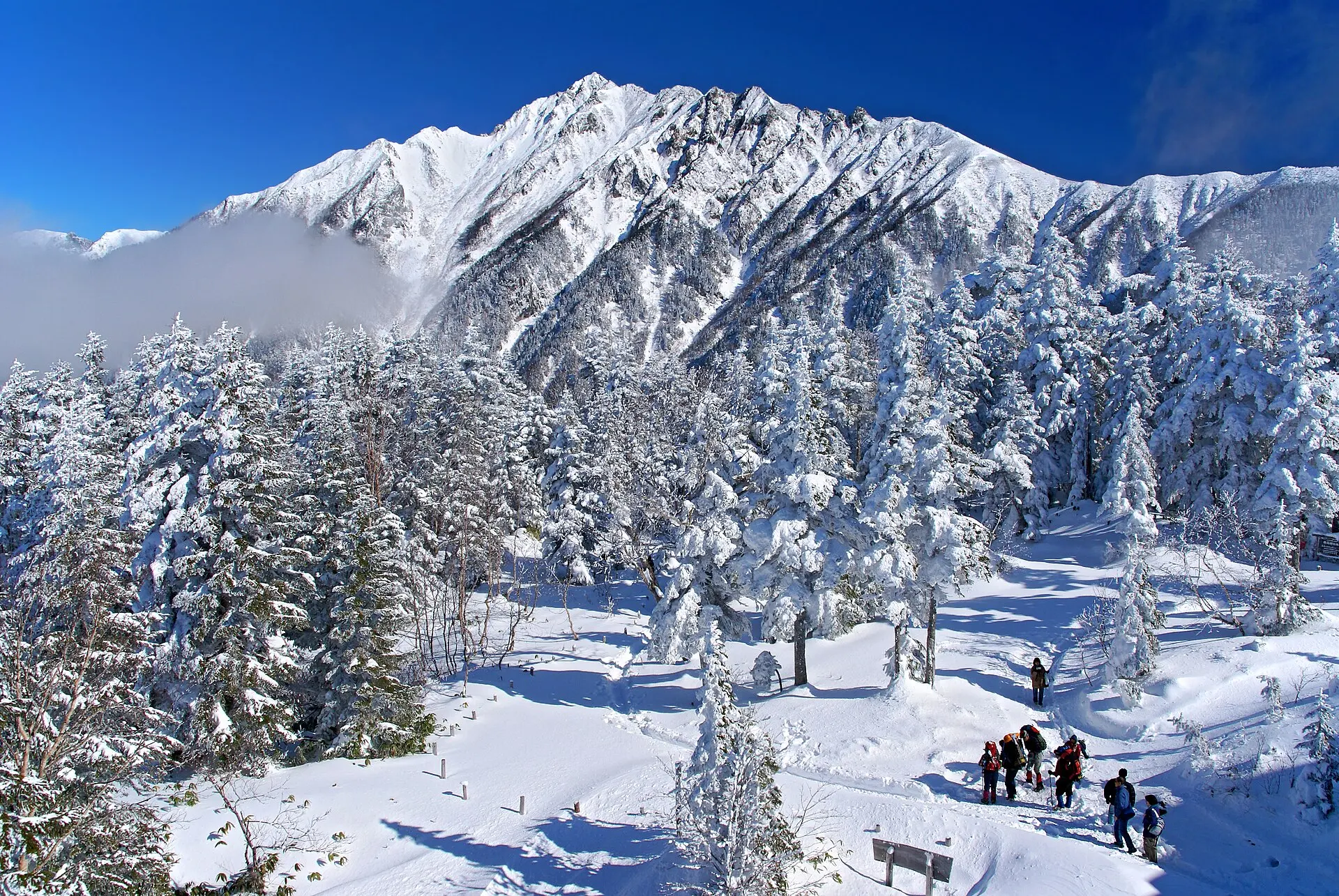
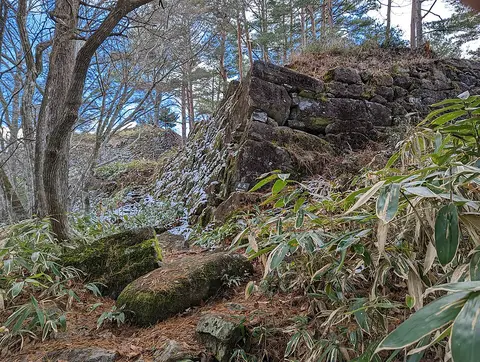
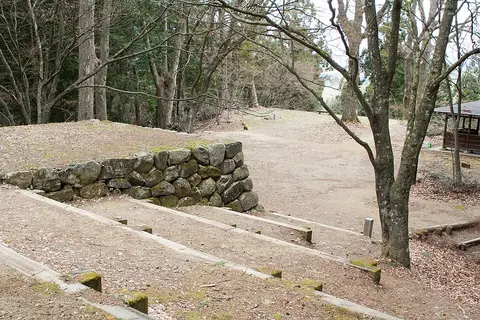
Every morning, markets open along the Miyagawa River and in front of the Jinya, where local farm women sell vegetables, pickles, flowers and sarubobo, faceless fabric dolls that serve as good-luck charms. On the edge of town lies the open-air museum Hida no Sato, with thatched farmhouses from the region. The Higashiyama walking trail passes a dozen temples and shrines on its way to Shiroyama, the castle hill, where the ruins offer views over the city's rooftops to the peaks of the Northern Alps. On the Miyagawa stands the red Nakabashi Bridge, a popular photo spot during cherry blossom season.
Eating in Takayama
Hida beef is the culinary calling card; in the old town you can get it grilled on a skewer, as sushi on rice, or roasted with miso on a magnolia leaf, known as hoba miso. Other local specialties include mitarashi dango with a soy sauce glaze rather than a sweet one, and Takayama ramen with thin, curly noodles in soy broth. The old breweries in Sanmachi offer sake tastings.
Getting There, Excursions and Best Time to Visit
On the Limited Express Hida, the trip from Nagoya takes about two and a half hours. Buses run to the World Heritage site of Shirakawa-gō, to Kamikōchi and to the onsen of Okuhida, all of which lie within the city limits or in the surrounding area. Takayama is beautiful at any time of year, but most atmospheric during the festivals, when you should book accommodations months in advance. In winter, snow often covers the rooftops, and the lanes feel especially quiet. If you stay overnight, you can choose between ryokan with kaiseki dinners serving Hida beef and mountain vegetables, and simple guesthouses that are popular with backpackers from around the world.