Discovering Gifu: Castle, Cormorants, and Paper Lanterns
Travel guide · editorialJust about 20 minutes from Nagoya lies a city that owes its name to one of Japan's most famous warlords. A trip to Gifu takes you up a castle mountain above the Nagara River, to night fishermen carrying torches, and into alleyways where paper umbrellas are still made by hand.
The City of Oda Nobunaga
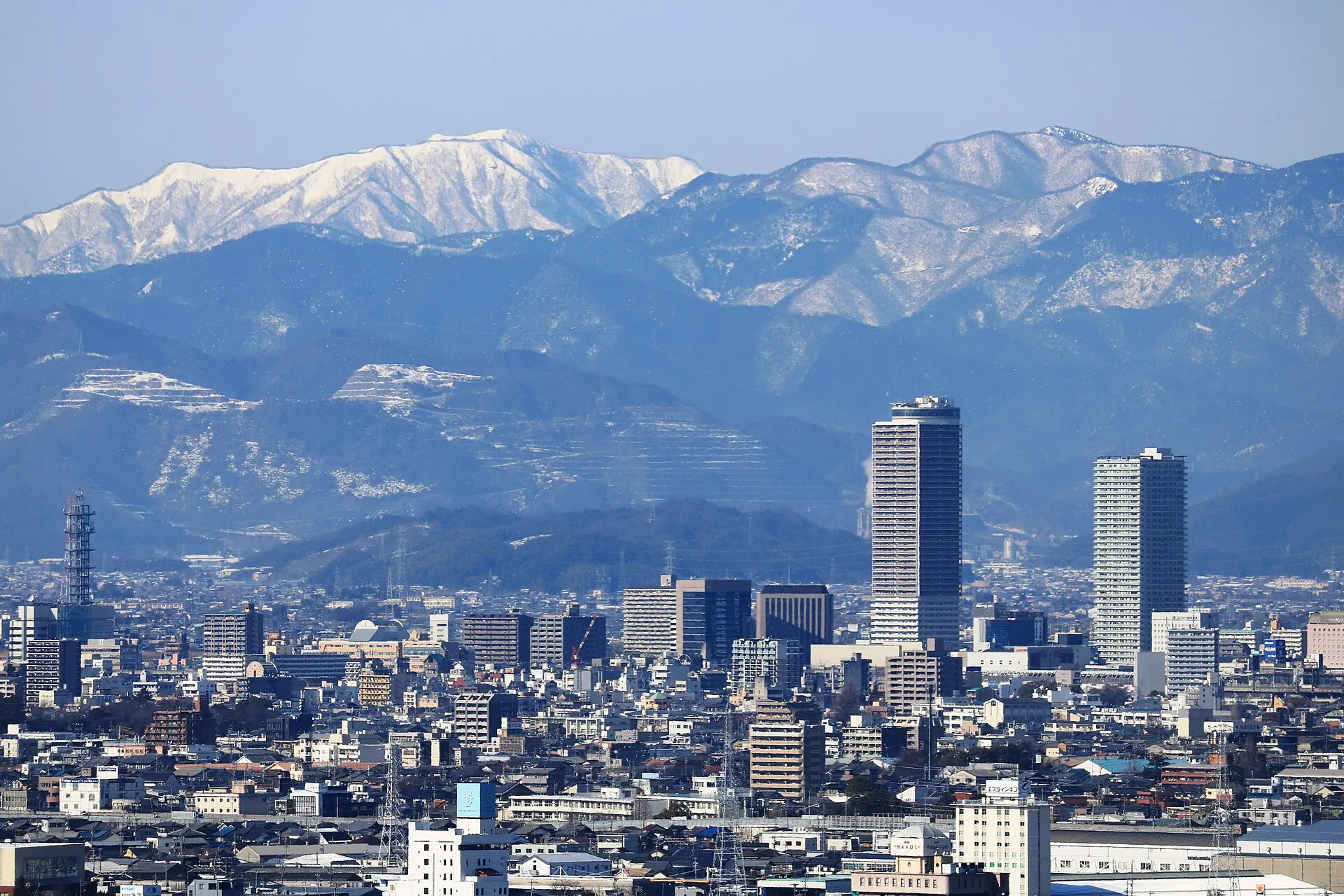
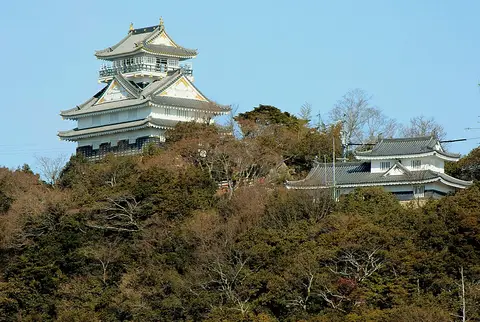
In 1567, Oda Nobunaga captured the castle on Mount Inaba and renamed the town Gifu, after a site in ancient China from which a dynasty had once unified the realm. From here he began his campaign to bring a fragmented Japan under a single ruler. Today's Gifu Castle on the 329-meter Mount Kinka is a concrete reconstruction from 1956, but the setting is spectacular: a cable car glides up from Gifu Park, and at the top the view sweeps across the Nōbi Plain to the Japan Alps and, on clear days, all the way to Nagoya.
Sights in Gifu
At the foot of the mountain, Gifu Park is worth a visit, home to the Nawa Insect Museum, one of the oldest of its kind in Japan. Just a few minutes' walk away, Shōhō-ji Temple houses the Great Buddha of Gifu, nearly 14 meters tall and made of woven bamboo, paper, and lacquer. The Kawaramachi district along the riverbank preserves wooden houses with latticed windows from the days when timber and paper were traded here. A contrast to all this is the Media Cosmos library by architect Toyo Ito, whose undulating wooden roof is pierced by light fabric canopies.
Cormorant Fishing on the Nagara River
From mid-May to mid-October, a tradition more than 1,300 years old is carried on almost every evening: ukai. Fishermen in traditional dress guide up to a dozen cormorants on leashes, which dive for freshwater sweetfish (ayu) in the light of blazing fire baskets. The masters hold the title of Imperial Household cormorant fisherman. Spectators watch the spectacle from covered wooden boats, often with a bentō on board. Ayu is also the star of the local cuisine, grilled with salt or served as a sweet shaped like a little fish. Gifu is also known for paper lanterns, which are hung for the Obon festival, and for wagasa, traditional oiled-paper umbrellas.
Eating in Gifu and City Life
Besides ayu, there are other regional specialties worth trying. Hida beef from the mountains in the north of the prefecture appears on the table in many restaurants as steak, sushi, or grilled at your table. In winter, miso stews warm you up, and gohei-mochi, grilled rice skewers with a sweet walnut-miso sauce, are a typical snack. Gifu is also known as a city of morning-service culture: order a coffee at a café in the morning and you'll often get toast, an egg, or salad with it at no extra charge. Restaurants and bars are concentrated around JR Gifu Station and the Yanagase shopping street. Yanagase was once a center of the textile industry, and clothing wholesalers still operate in the alleys north of the station.
Getting Around and Day Trips from Gifu
The JR Tōkaidō Line and the Meitetsu railway connect Gifu with Nagoya, where the Shinkansen also stops, every few minutes; the nearest international airport is Chūbu Centrair (NGO). In the city, buses run from the station to Gifu Park and the riverbank. The best time to visit is the cormorant season, especially early summer and early fall. Gifu also makes a good base for excursions: to the knife-making town of Seki, to the dance town of Gujō Hachiman, to Takayama with its old town, and on to the thatched-roof houses of Shirakawa-gō.