Discovering Ichinomiya: Shrine, Wool Fabrics, and Morning Service
Travel guide · editorialOrder a morning coffee in Ichinomiya and you'll get toast, a boiled egg, and sometimes even a salad with it – at no extra charge. The city is considered the birthplace of this "morning service" culture and makes a worthwhile detour on a trip through central Japan, with an old shrine, a proud textile tradition, and one of the country's largest Tanabata festivals.
The Province's First Shrine
The city owes its name to the Masumida Shrine: as the "Ichinomiya," or first shrine, it was the highest-ranking shrine of Owari Province in the Middle Ages. The sanctuary, with its wooden buildings and gatehouse, sits in the heart of the city, just a few minutes from the train station. A market town grew up around the shrine, where merchants sold cotton, silk, and later wool. Festivals and markets are still held on the grounds today, and many families bring newborns here to pray for their health.
Bishū, the Textile City
The Bishū region around Ichinomiya is one of the world's most important centers for woolen fabrics and is often mentioned in the same breath as Biella in Italy and Huddersfield in England. What began with cotton and silk weaving turned into a wool industry in the 20th century; its fine suit and coat fabrics supply international fashion houses. In the city, old weaving mills with sawtooth roofs recall the heyday of the trade, and some have been converted into studios, cafés, or galleries. The Tanabata festival is also tied to the textile business: at the end of July it decorates the shopping streets with brightly colored paper garlands and is dedicated to Orihime, the weaver star. With more than a million visitors, it is one of the largest of its kind.
Sights in Ichinomiya
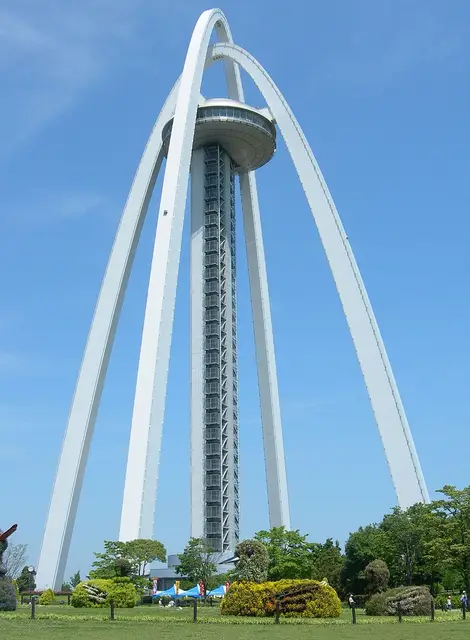
To the north, the Kiso River marks the border with Gifu Prefecture. On its banks lies Tower 138 Park, named for a pun on the pronunciation of Ichinomiya; its slender observation tower offers wide views across the Nōbi Plain to the mountains. The Migishi Setsuko Museum of Art is dedicated to a painter from Ichinomiya whose works thrive on bold colors. In spring the banks of the Kiso are lined with cherry blossoms, and in summer fireworks are held here.
Eating in Ichinomiya
The best way to experience morning service culture is in one of the countless kissaten, or classic cafés, which are packed with retirees and businesspeople in the morning. Depending on the café, your coffee comes with toast with ogura red bean paste, chawanmushi, rice balls, or yogurt. At midday, as throughout Owari, people eat miso katsu, kishimen noodles, or hitsumabushi, grilled eel over rice. In the evening, izakaya cluster around Owari-Ichinomiya and Meitetsu-Ichinomiya stations.
Getting There and Best Time to Visit
Ichinomiya lies between Nagoya and Gifu; by JR or Meitetsu train it takes 10 to 15 minutes from Nagoya. The best times to visit are spring and fall, though the Tanabata festival at the end of July is worth it despite the heat and crowds. If you're spending a day in the region, Ichinomiya pairs well with Inuyama Castle, one of Japan's twelve originally preserved castles, or with cormorant fishing on the Nagara River in Gifu. You can stay inexpensively in business hotels by the station, and the next morning, morning service awaits at the nearest kissaten.