Saga Prefecture: Porcelain, Onsen, and Balloons
Travel guide · editorialSaga lies between Fukuoka and Nagasaki and is often driven through rather than visited. If you choose Saga Prefecture for your vacation, you'll find the birthplace of Japanese porcelain, old spa towns with silky waters, and, in the fall, the largest balloon festival in Asia. You'll also find castles, a significant prehistoric site, and quiet coastlines.
Landscape and Location
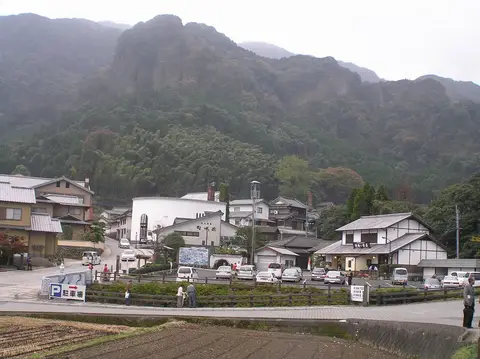
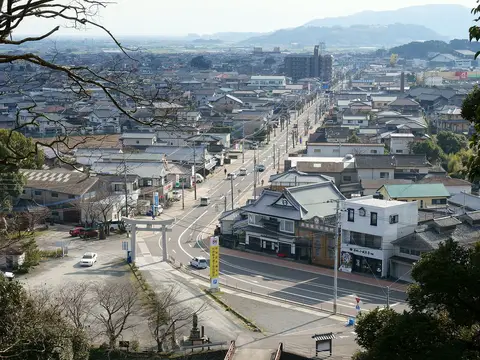
The prefecture lies in northwestern Kyūshū and borders two seas: to the north, the Genkai Sea with rocky coasts near Karatsu, and to the south, the Ariake Sea, whose tidal range of up to six meters exposes vast mudflats. In between stretches the Saga Plain with rice paddies and canals, surrounded by the mountains around Takeo, Ureshino, and Imari. Tosu in the east is a transportation hub for Kyūshū.
Sights in Saga Prefecture
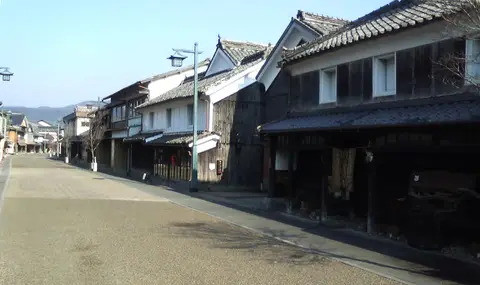
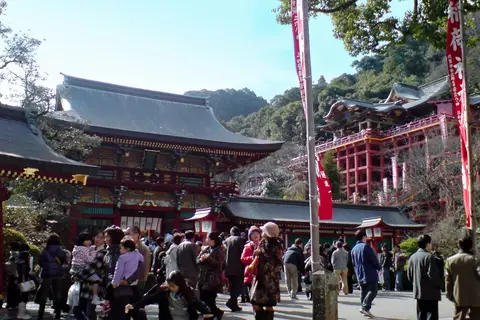
Arita is where porcelain was first made in Japan in the early 17th century, after Korean potters discovered kaolin at Izumiyama. The porcelain was exported as far as Europe via the port of Imari; you can compare the styles at the Kyūshū Ceramic Museum and in the shops along the main street. In Ōkawachiyama near Imari, workshops lie in a valley where potters once produced exclusively for the local lord. Yoshinogari is a large settlement from the Yayoi period with reconstructed watchtowers and stilt houses. Karatsu Castle sits above the sea and a pine forest that stretches for miles. The Yūtoku Inari Shrine in Kashima is built on wooden stilts against a hillside and is one of Japan's three great Inari shrines. Saga Castle was the seat of the Nabeshima clan; the reconstructed Honmaru Palace is one of the largest wooden structures of its kind and houses a history museum. In Kashima, sake breweries line the lane of Hizen-Hamashuku.
Onsen and Festivals
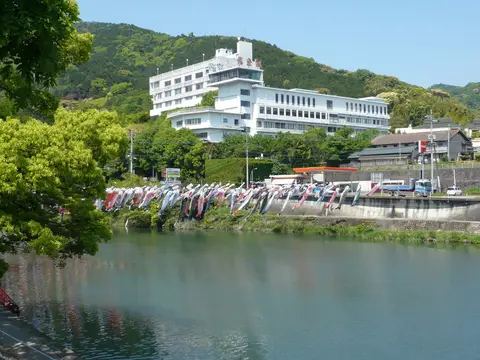
Takeo Onsen is more than 1,000 years old; the red gate of the bathhouse was designed by Tatsuno Kingo, the architect of Tokyo Station. The Takeo City Library is famous for its architecture. Ureshino Onsen is considered the "bath of beauty" because of its alkaline water, and the local specialty is tofu that melts away in the spring water. At the Saga International Balloon Fiesta from late October to early November, hundreds of hot-air balloons rise above the Kase River. The Karatsu Kunchi in November sends enormous lacquered floats shaped like lions, helmets, and fish through the town.
Food and Drink
Saga beef is one of the premium wagyu brands. Yobuko near Karatsu is known for live squid, which is served translucent as sashimi. The Ariake Sea yields nori seaweed in large quantities as well as peculiar creatures such as the mudskipper. Ureshino tea is a green tea with round leaves, and the town of Ogi makes yōkan, sweet bean jelly, from old recipes. The prefecture has numerous sake breweries, especially in Kashima.
Getting There and Best Time to Visit
Saga can be reached from Hakata by express train in about 40 minutes; the Nishi-Kyūshū Shinkansen runs from Takeo-Onsen via Ureshino-Onsen to Nagasaki. Saga Airport serves Tokyo and a few destinations in Asia. Spring and fall are considered the best times to visit, especially early November with the balloon festival and Karatsu Kunchi. In spring, Arita hosts a large porcelain market.