Discovering Hachiōji: Mount Takao, Silk, and Castle Ruins
Travel guide · editorialIf you want to breathe in some forest air on a trip to Tokyo, sooner or later you'll end up in Hachiōji. This sizable city on the western edge of the metropolis combines everyday commuter life with Tokyo's beloved "home mountain," old silk trading routes, and one of the country's imperial mausoleums. A Hachiōji getaway needs just a day or two – or make it a relaxed day trip from Shinjuku.
From Castle Town to Silk Capital
The city takes its name from a mountain cult site, but its history was shaped above all by Hachiōji Castle, which the Hōjō clan had built on a mountain ridge in the 16th century. In 1590, it fell in a single day during Toyotomi Hideyoshi's campaign. Today, the ruins, with their restored stone walls and a wooden bridge, make for a quiet hiking destination. Under the Tokugawa, Hachiōji grew as a post town on the Kōshū Kaidō, and in the 19th century it became a transshipment hub for raw silk, which was carried along what became known as Japan's Silk Road to Yokohama and exported. The nickname "Kuwa no miyako," capital of the mulberry trees, recalls this era.
Sights in Hachiōji
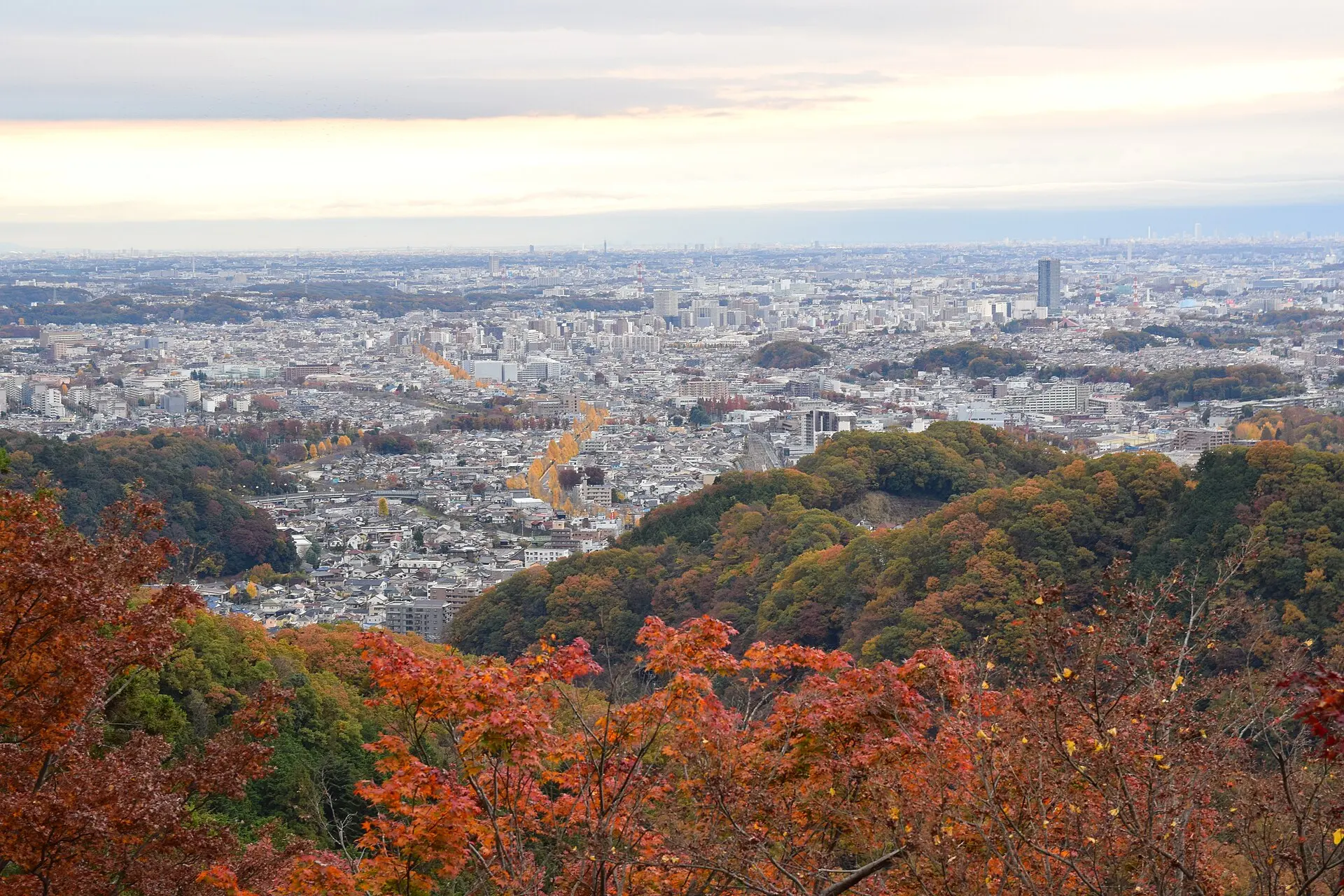
At just under 600 meters (about 1,970 feet), Mount Takao is the big attraction and is considered one of the most-climbed mountains in the world. A funicular and a chairlift make the ascent easier, and at the top you'll find Yakuō-in Temple with its tengu statues, lanterns, and a view that reaches all the way to Mount Fuji on clear winter days. At the foot of the mountain, the TAKAO 599 MUSEUM showcases the region's flora and fauna. A very different chapter is the Musashi Cemetery, where Emperors Taishō and Shōwa are buried beneath tall cedars – a solemn, peaceful place. Art lovers can visit the Tokyo Fuji Art Museum, which has a broad collection ranging from Japanese painting to European modernism.
Eating in Hachiōji and Festivals
Hachiōji ramen is locally famous: a clear soy sauce broth topped with finely chopped raw onions and a film of oil. On Mount Takao, soba with grated yam (tororo soba) is the classic summit or valley snack, served with grilled dango. Around Hachiōji Station you'll find izakaya, lively bar streets, and student hangouts, as the city is home to numerous universities. In early August, the Hachiōji Matsuri turns the Kōshū Kaidō into a stage for magnificently carved festival floats, accompanied by drums and flutes.
Hiking Around Mount Takao
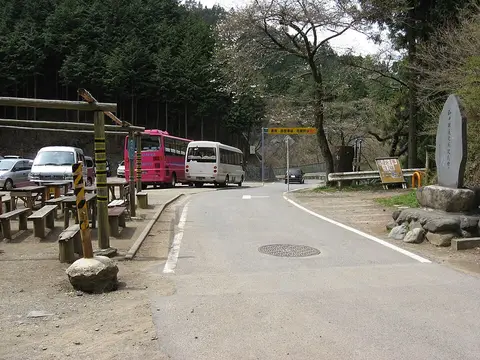
Eight marked trails lead to the summit, and each has its own character. Paved Trail 1 passes temples, viewpoints, and an ancient cedar with gnarled roots, while Trail 6 follows a stream through shady forest and even crosses it on stepping stones. If you have more stamina, continue along the ridge to Shiroyama with its simple teahouse and on to Jinba-san, where a white horse statue stands in a meadow. For families, the monkey park with its wild plant garden at the upper cable car station is a popular stop. After the descent, an onsen awaits at Takaosanguchi Station, where you can soak your tired legs in hot water.
Getting Around Hachiōji and the Best Time to Visit
From Shinjuku, the JR Chūō Line and the private Keiō Line take roughly 40 to 60 minutes to reach Hachiōji; the Keiō Line also stops right at Takaosanguchi Station. Within the sprawling city, buses supplement the rail network, for example to the castle ruins or the art museum. The best time to visit is spring, when cherry blossoms and fresh greenery glow on Mount Takao, and autumn, when the maple foliage draws hundreds of thousands of visitors in November – then it's worth setting out early in the morning or visiting on a weekday. In midsummer, beer gardens on the mountain beckon, and winter offers the clearest distant views. If you want to keep hiking, follow the trails toward Jinba-san or take the train into the mountains of Okutama.