Tokyo: A World City Between Shrine and Skyscraper
Travel guide · editorialA vacation in Tokyo usually begins with amazement at the sheer size of the place – and ends with the realization that this metropolis is made up of dozens of manageable neighborhoods, each with its own character. Tokyo Prefecture stretches from the 23 city wards on the bay across the forested hills of Okutama to islands in the middle of the Pacific. Look closely, and you'll find quiet alleys, wooden houses, and small shrines behind the neon facades.
One Prefecture, Many Faces
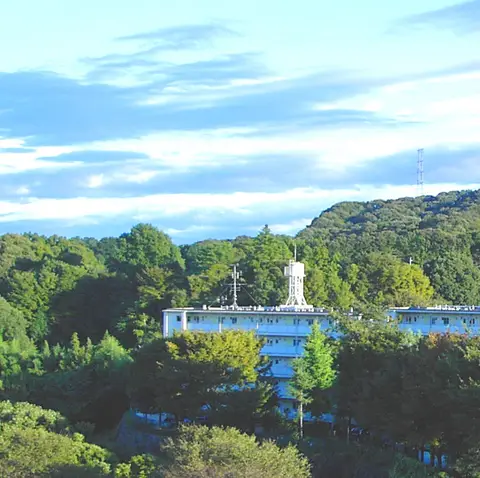
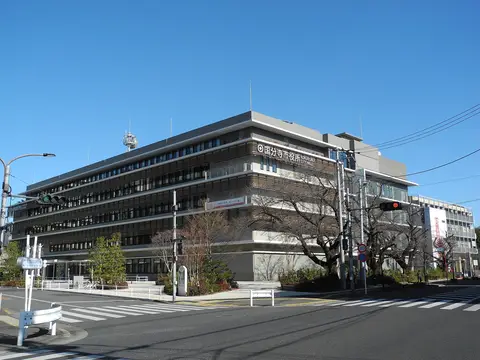
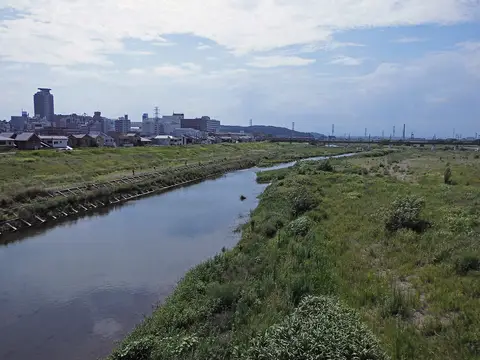
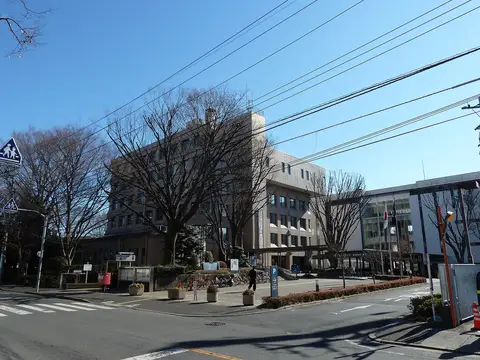
Administratively, Tokyo is a prefecture rather than an ordinary city. It includes the 23 special wards that form the actual center, the Tama region to the west with cities such as Hachiōji, Machida, Tachikawa, Fuchū, Kokubunji, Tama, and Higashimurayama, as well as the Izu and Ogasawara Islands. The latter lie roughly 1,000 kilometers to the south, can only be reached by ship in about 24 hours, and are a UNESCO World Heritage Site. In the far west, the land rises into mountains of over 2,000 meters; this is where the Tama River begins, with hiking trails and swimming spots along its banks.
Sights in Tokyo
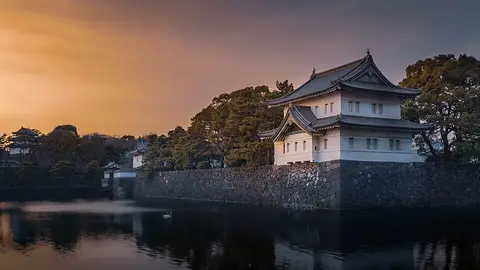
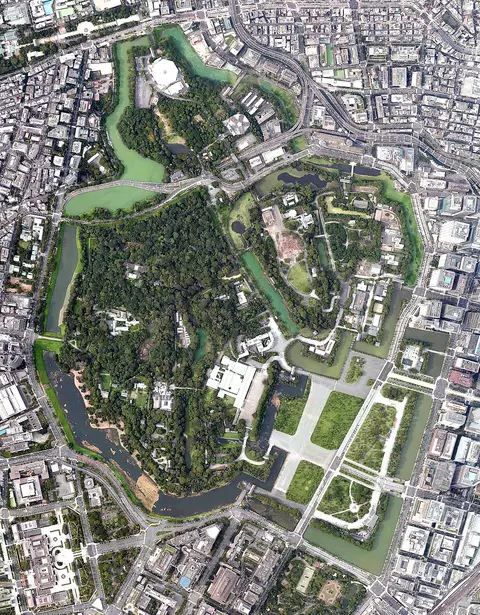
The city's oldest temple, Sensō-ji in Asakusa, welcomes visitors through the red Kaminarimon Gate with its giant paper lantern; in front of it, the Nakamise shopping street sells rice crackers and fans. Just a few stops away rises the Tokyo Skytree, at 634 meters the tallest tower in the world. To the west lies Meiji Shrine in a man-made forest, right next to the fashion streets of Harajuku and the famous Shibuya crossing, where thousands of people cross at the same time during rush hour. The Imperial Palace is surrounded by moats and massive stone walls of the former Edo Castle; the East Gardens are open to the public. Art lovers will find several major museums in Ueno Park, including the National Museum with the most important collection of Japanese art.
Neighborhoods to Explore
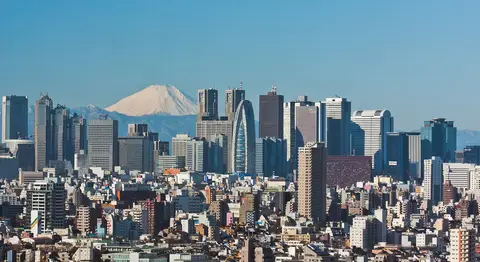
Among the most rewarding Tokyo destinations are the areas where old Edo can still be felt. Yanaka, with its cemeteries, temples, and cats, came through the war largely unscathed. Shimokitazawa thrives on secondhand shops and small theaters, Kagurazaka on cobblestones and French bistros that sit door to door with traditional teahouses. In the evening, many people head to Shinjuku: in Golden Gai, around 200 tiny bars are crammed into a very small space, and from the Metropolitan Government Building you can take in the sea of lights for free – on a clear day all the way to Mount Fuji.
Green Tokyo in the West
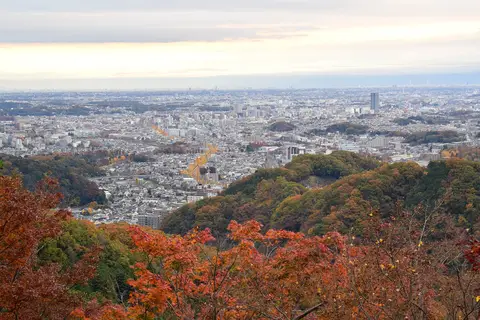
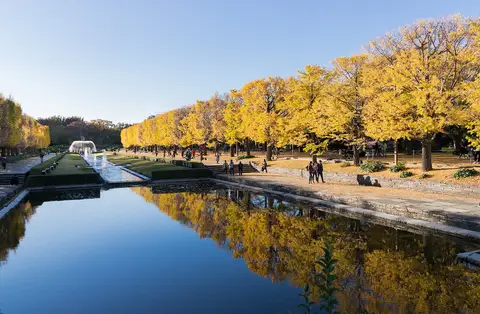
Anyone who associates the prefecture only with skyscrapers is underestimating it. From Hachiōji, you can reach Mount Takao in just a few minutes, one of the most climbed mountains in the world, with the Yakuō-in temple and views across the Kantō Plain. In Showa Kinen Park in Tachikawa, cherry trees bloom in spring, and ginkgo-lined avenues glow in fall. Farther out, in Okutama, you can hike through cedar forests to waterfalls and limestone caves. Fuchū is known for its old Ōkunitama Shrine and the horse racing track, Tama for Sanrio Puroland.
Eating and Drinking
No city in the world has more Michelin-starred restaurants, yet you can also eat excellently in Tokyo for very little money. Edomae-style sushi originated here, as did monjayaki, a runny version of the pancake that you cook right on the hot griddle in Tsukishima. Around the old fish market in Tsukiji, you'll find tuna, tamagoyaki, and oysters early in the morning; the wholesale market itself has moved to Toyosu. Ramen shops in Ikebukuro, tempura restaurants in Asakusa, and the food halls in the department stores, the depachika, show the full range. To drink, you'll have sake, highballs, or green tea.
Getting There, Getting Around, and the Best Time to Visit
International flights land at Haneda, which is close to the center, or at Narita in neighboring Chiba. In the city, the subway and the JR Yamanote loop line are unbeatable; a rechargeable IC card such as Suica or Pasmo makes getting around easier. Shinkansen trains depart from Tokyo Station and Shinagawa for Kyoto, Osaka, or Sendai. The best times to visit are generally late March to early April for the cherry blossoms, when there are celebrations in Ueno Park and along the Meguro River, as well as fall with its clear air and colorful leaves. Summer is hot and humid but brings fireworks over the Sumida River and temple festivals; winter is dry, sunny, and ideal for views of Mount Fuji.