Discovering Tachikawa: Giant Park, Monorail and Anime
Travel guide · editorialWhere military aircraft once took off, tulip fields now bloom and families bike across wide lawns. Tachikawa, in western Tokyo, is a lively shopping and transport hub of the Tama region – a great addition to a Tokyo city trip if you want to experience green space, culture and everyday life beyond the city center.
From Air Base to Park
Starting in 1922, Tachikawa was home to a large military airfield, first Japanese, then used by the US Air Force after the war. The site was not fully returned until 1977, and part of it became Showa Kinen Park, created to mark the 50th anniversary of Emperor Showa's reign. Other areas became government office centers, residential neighborhoods and the new district at the station's north exit. In recent years, hotels, concert halls and shopping complexes have sprung up around Akebonocho and Midoricho, giving Tachikawa a modern face.
Sights in Tachikawa
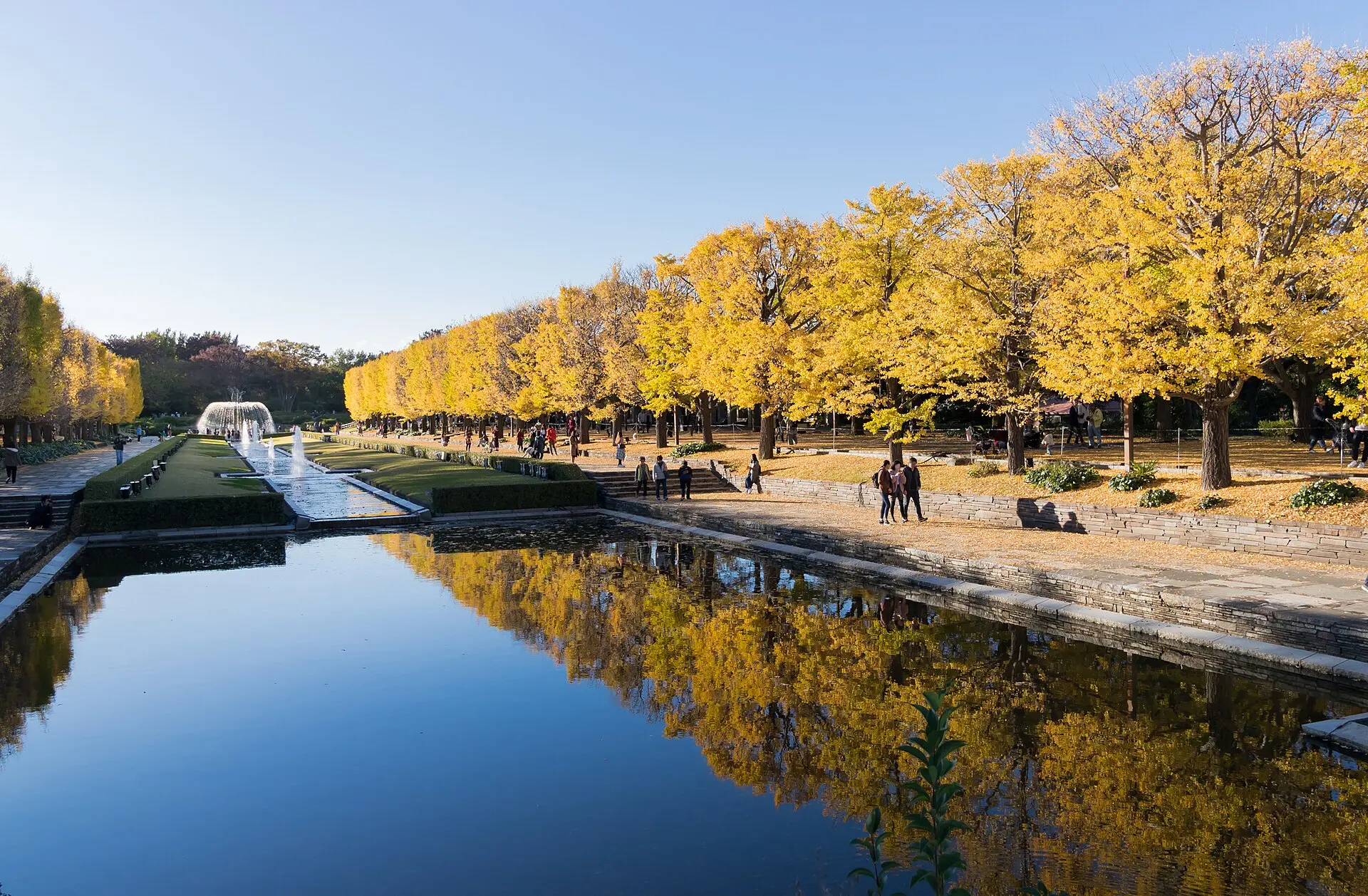
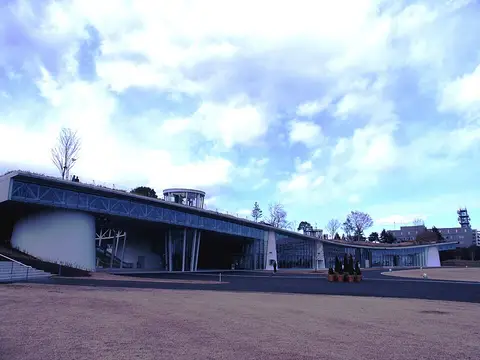
Showa Kinen Park covers about 180 hectares (roughly 445 acres) and is best explored on a rental bike. In spring, fields of rapeseed, tulips and cherry trees light up the park; in autumn, it's the golden ginkgo avenues and fields full of cosmos. The Japanese garden with its teahouse is a quiet retreat, and kids will love the huge playgrounds and a cloud-shaped trampoline pillow. Right at the north exit is the Green Springs complex, with water terraces and the Tachikawa Stage Garden concert hall. In the north of the city, the Disaster Prevention Learning Center shows how Tokyo prepares for earthquakes. At the south exit, the small Suwa Shrine recalls the days when Tachikawa was still a village on the Tama River.
Neighborhoods, Food and Nightlife
Around the station you'll find a dense cluster of department stores, electronics shops and shopping arcades, while in Nishikicho and Shibasakicho south of the tracks, izakaya, ramen shops and small restaurants line the streets. Tachikawa is considered a ramen stronghold in the Tama region; at Ramen Square in the northern part of the city, several shops are gathered under one roof. In the evening, students and office workers meet in yakitori pubs under the railway arches. Anime fans know the city as a setting: in the manga series "Saint Young Men," Jesus and Buddha share a small apartment here, and the series "A Certain Scientific Railgun" also used Tachikawa as the model for its futuristic city.
Getting Around Tachikawa
On the JR Chuo Line Rapid, you can reach Shinjuku in about 25 to 30 minutes. At Tachikawa, the Nambu Line branches off to Kawasaki and the Ome Line to the Okutama mountains. The Tama Monorail glides above the streets, running north to Kamikitadai and south to Tama Center, with views over the rooftops.
Best Time to Visit and Day Trips
Tachikawa is at its most beautiful in spring, when the park is in full bloom, and in November, when the ginkgos turn yellow. In summer, the park hosts a large fireworks display. From here, you can take worthwhile excursions to the mountains of Okutama, to Ome with its plum groves, or to Mount Takao, the popular hiking mountain with a temple and cable car. If you choose Tachikawa as your base, you'll usually pay less for lodging than in the city center and still reach Tokyo's major districts quickly. Showa Kinen Park is also worth a second visit in a different season, since the flower fields and fall foliage change almost every month.