
Kagoshima Prefecture: Sakurajima Volcano and the Southern Islands
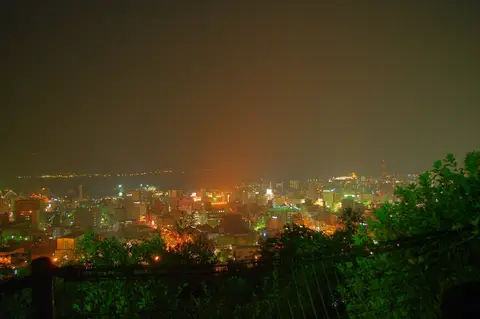
Travel guide · editorialIn Kagoshima, volcanic ash is part of everyday life: Sakurajima, across the bay from the city, smokes almost constantly, and residents collect the dust in bags distributed for that purpose. Besides this fire mountain, a vacation in Kagoshima Prefecture offers sand baths by the sea, samurai districts, cedar forests on Yakushima, and subtropical beaches on Amami. It is the southernmost prefecture of Kyūshū and stretches far out into the Pacific.
Landscape and Islands
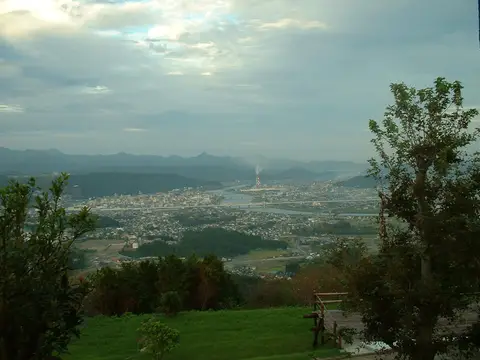
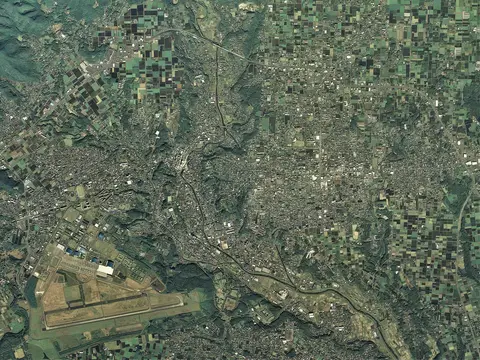
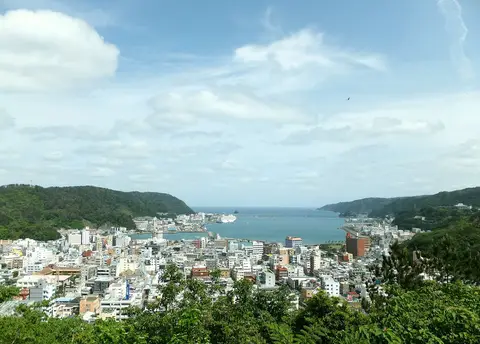
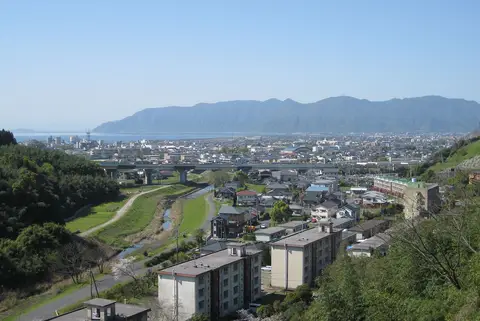
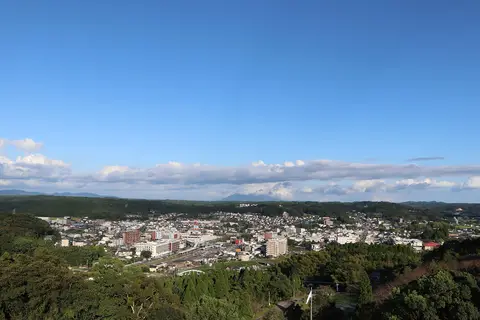
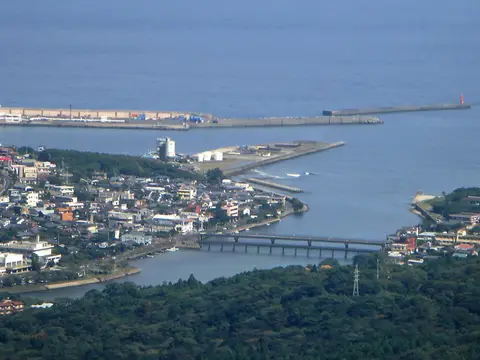
Kagoshima encompasses the Satsuma and Ōsumi peninsulas, which wrap around Kinkō Bay like two arms. In the bay lies Sakurajima, which has been connected to Ōsumi by a land bridge since the 1914 eruption. To the north rises the Kirishima volcanic area, with crater lakes and onsen. South of the mainland, a chain of islands extends for about 600 kilometers: Tanegashima with Japan's space center, Yakushima with its ancient cedars, then the Tokara Islands, and finally the Amami Islands, culturally already akin to Okinawa. Kirishima, the second-largest city, lies at the foot of the volcanic area of the same name and is home to Kirishima Jingū, a bright red shrine in a cedar forest, as well as numerous onsen. Kanoya on the Ōsumi Peninsula is known for a large rose garden, Satsumasendai for the Koshiki Islands with spectacular sea cliffs.
Sights in Kagoshima Prefecture
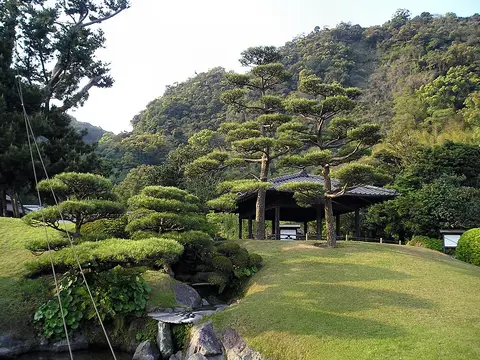
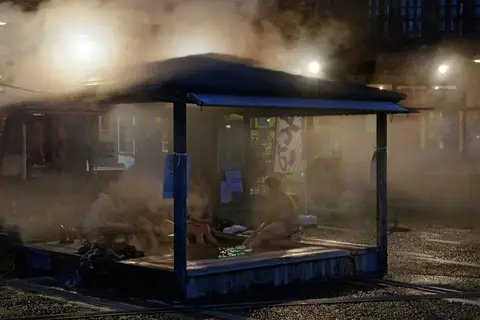
The ferry to Sakurajima runs around the clock and takes about 15 minutes. On the island, trails lead across lava fields to viewpoints such as Yunohira, and a footbath on the shore invites you to take a break; the summit itself is closed. In Kagoshima City you'll find Sengan-en, a landscape garden of the Shimazu princely family with a view of the volcano; next to it stands the Shōko Shūseikan factory, part of the World Heritage Sites of Japan's Meiji Industrial Revolution. Chiran preserves a street of samurai houses and gardens, but also the Peace Museum for Kamikaze Pilots, which tells the story of the war in a moving way. Ibusuki is famous for its sand baths, where, wearing a yukata, you are buried in volcanically heated sand on the beach. Lake Ikeda and the cone-shaped Kaimondake define the southern tip of the Satsuma Peninsula.
Yakushima and Amami
Yakushima has been a World Heritage Site since 1993. The island is so rainy that locals say it rains 35 days a month. Shiratani Unsuikyō has moss-covered forests said to have inspired Ghibli's "Princess Mononoke," and a full-day hike leads to Jōmon Sugi, a cedar whose age is estimated at several thousand years. The Amami Islands have also been a natural World Heritage Site since 2021; rare animals such as the Amami rabbit live here. White beaches, mangrove canoeing, and Tsumugi silk weaving with mud dyeing characterize Amami-Ōshima.
Food and Drink
Kagoshima is the heartland of shōchū, which here is usually distilled from sweet potatoes and often diluted with hot water; there are hundreds of distilleries in the prefecture. Kurobuta, the black Berkshire pig, is served as shabu-shabu or tonkatsu. Satsuma-age, fried fish cakes, are an everyday snack, and shirokuma is a huge bowl of shaved ice with condensed milk and fruit. Kirishima and Chiran produce a lot of green tea, and the prefecture is locked in a neck-and-neck race with Shizuoka for the title of Japan's largest tea producer. On Amami, you can try keihan, rice with chicken broth and toppings. Kagoshima tonkotsu, pork ribs braised in miso and shōchū, and kibinago, small silvery herring served raw and arranged in the shape of a flower, round out the cuisine.
Culture and History
For centuries, the Satsuma domain under the Shimazu was one of the most powerful in Japan and played a key role in the overthrow of the shogunate in 1868. Saigō Takamori, the "last samurai," came from Kagoshima and fell in the Satsuma Rebellion in 1877 on Shiroyama Hill; his statue stands in the city. In 1543, Portuguese traders landed on the beach at Tanegashima and brought the first firearms to Japan.
Getting There and Best Time to Visit
The Kyūshū Shinkansen ends at Kagoshima-Chūō Station; Hakata is about 80 minutes away. Kagoshima Airport is located near Kirishima; from there and from the city's port, you can reach Yakushima and Amami by plane, high-speed boat, or ferry. Spring and fall are considered the best times to visit. If you're visiting Yakushima, pack rain gear; in summer, typhoons can interrupt ferry service. When the wind blows from the south, ash from Sakurajima drifts over the city, so an umbrella comes in handy.