Shimane Prefecture: Izumo, Matsue, and Silver Mines
Travel guide · editorialShimane is one of the most sparsely populated prefectures in Japan and, at the same time, one of the most steeped in mythology. A vacation in Shimane Prefecture takes you to one of the country's oldest shrines, to a castle town on a lake, and to a silver mine that helped shape global trade in the 16th and 17th centuries. According to legend, all the gods of Japan gather in Izumo in October.
Landscape and Location
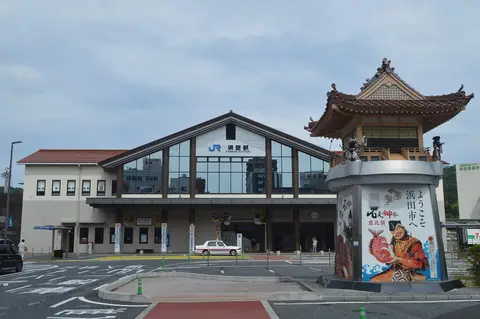
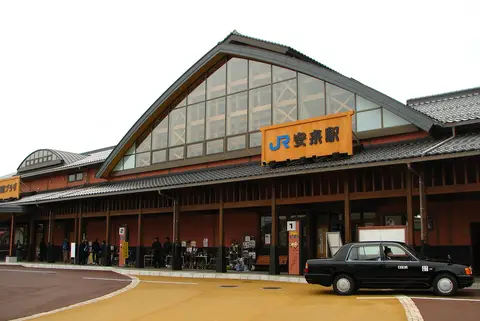
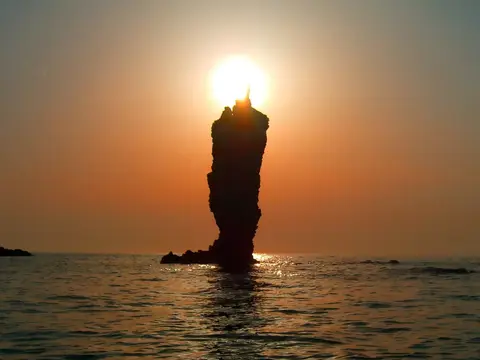
The prefecture stretches as a long strip along the Sea of Japan in western Honshu. To the east lie Lake Shinji and the Nakaumi lagoon with Matsue and Yasugi, and in the center the Izumo Plain. To the west follows the Iwami region with Ōda, Hamada, and Masuda, a mountainous coastal area. Offshore lie the Oki Islands, with the main town of Okinoshima, a UNESCO Global Geopark with towering cliffs.
Sights in Shimane Prefecture
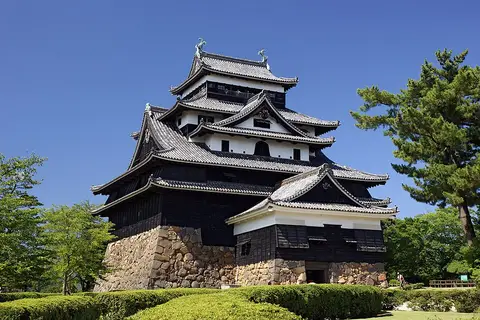
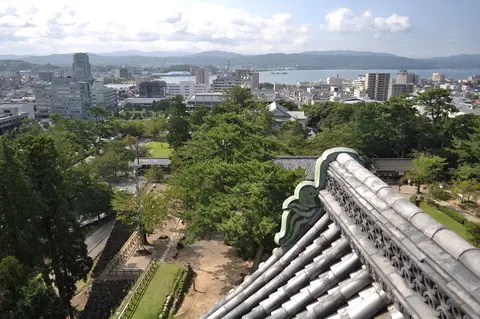
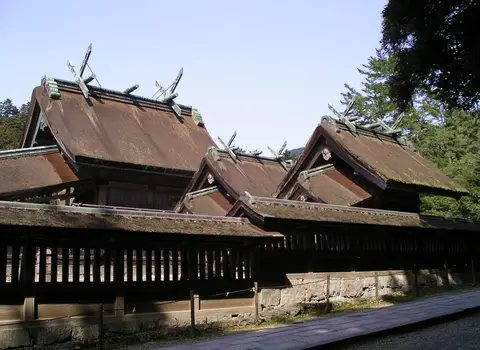
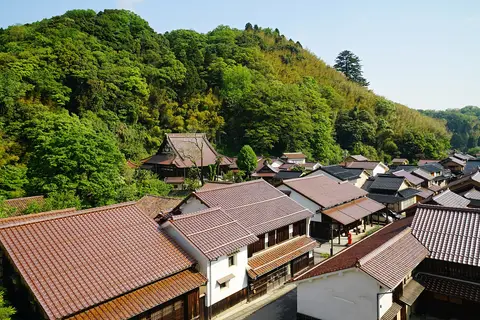
Izumo Taisha is one of the oldest and most important Shinto shrines in Japan and is dedicated to the god Ōkuninushi, who presides over marriage and relationships. A huge straw rope hangs in front of the main hall, and visitors clap four times here instead of twice. Matsue Castle has an original, well-preserved black keep and is a National Treasure; you can circle the moat by boat. Iwami Ginzan near Ōda has been a World Heritage Site since 2007: in the 16th and 17th centuries, silver was mined here in enormous quantities, and today trails lead through tunnels and the mining village of Ōmori. The Adachi Museum of Art in Yasugi has a garden that has been voted the most beautiful in Japan for many years running. On Nishinoshima, the Oki Islands offer the Kuniga Coast, one of the most spectacular sea cliff coastlines in Japan. In Tsuwano in the southwest, a castle town with carp in its canals, a tunnel of hundreds of red torii gates leads to Taikodani Inari Shrine.
Culture and History
In the Kojiki, Japan's oldest chronicle, many myths are set in Izumo, including the god Susanoo's battle against an eight-headed serpent. The writer Lafcadio Hearn lived in Matsue; under the name Koizumi Yakumo, he collected Japanese ghost stories, and you can visit his house and a museum. Iwami Kagura, a fast, fiery form of masked theater, is performed in Hamada and Masuda. Tamatsukuri Onsen has been known as a hot spring of beauty for more than 1,300 years.
Food and Drink
Izumo soba is made with dark buckwheat and unhulled grains and served in stacked red bowls. Lake Shinji yields shijimi clams, which are eaten in miso soup, along with six other kinds of fish from the "Seven Delicacies." Matsue has cultivated the tea ceremony since the days of the feudal lord Fumai and ranks among Japan's great wagashi towns. Nodoguro, a red deep-sea fish, and crabs from Hamada are served in winter.
Getting There and Best Time to Visit
The Yakumo Express connects Okayama with Matsue and Izumo in about three hours, and the Sunrise Izumo night train runs from Tokyo. Izumo and Iwami airports serve Tokyo and Osaka, and ferries run to the Oki Islands. Spring and fall are considered the best times to visit; the sunset over Lake Shinji is a highlight in every season. In October by the lunar calendar, Izumo celebrates the festival of the gathering of the gods, Kamiari-sai.