Discovering Matsue: Original Castle, Lake Shinji and Hearn
Travel guide · editorialWhen the sun sets over Lake Shinji, locals and photographers gather on the shore in Matsue to watch the sky and water turn orange. A trip to Matsue, the City of Water on the coast of the Sea of Japan, leads you to one of Japan's twelve original castles, along the trail of the writer Lafcadio Hearn and into a vibrant tea culture.
The Castle and the Samurai Street
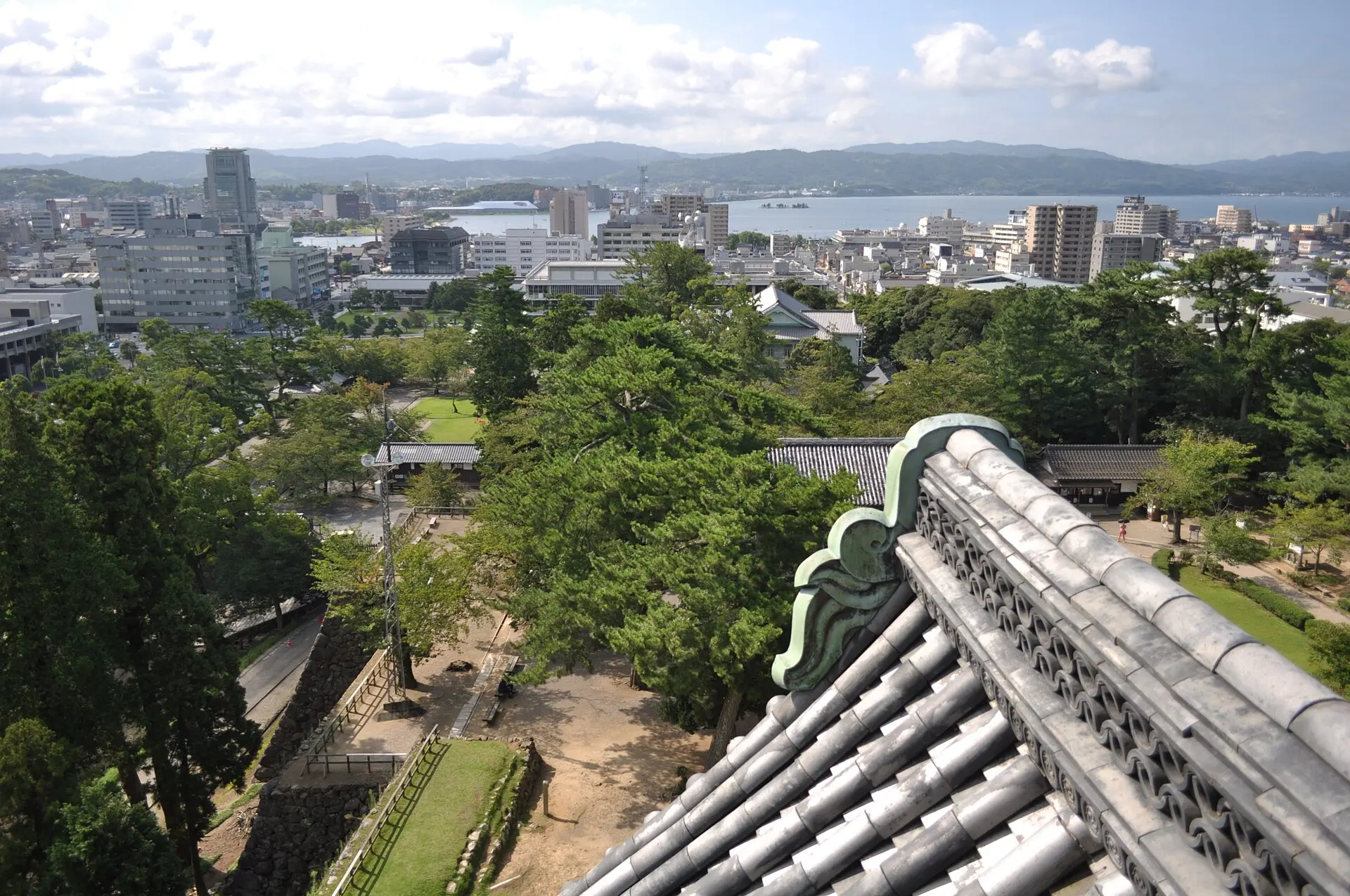
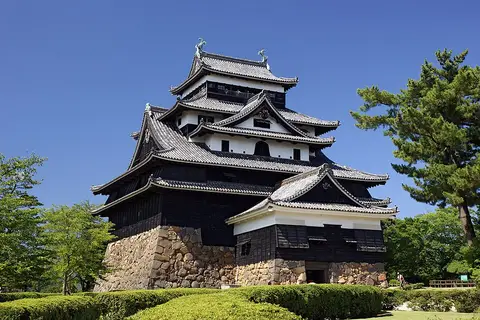
Matsue Castle was completed in 1611 and is one of the few castles whose main keep has survived unchanged since the Edo period; it has been a National Treasure since 2015. Its dark wooden keep is also called the Black Castle because of its color, and inside, steep wooden staircases lead up to the observation floor with views over the lake. You can explore the moat on Horikawa boat tours: when the boat passes under low bridges, the roof is lowered and passengers duck. Running along the moat is Shiomi Nawate, a street lined with samurai houses and old pine trees.
Lafcadio Hearn and Ghost Stories
In 1890, the Greek-Irish journalist Lafcadio Hearn came to Matsue as an English teacher. He married Koizumi Setsu, the daughter of a samurai family, took the name Koizumi Yakumo and wrote books that made Japan known in the West, including his famous collection of ghost stories, "Kwaidan." His former residence on Shiomi Nawate, with its small garden, has been preserved, and the museum next door displays manuscripts and personal belongings. In the evenings, ghost walks through the old town are offered, during which guides recite Hearn's tales at their original settings.
Sights in Matsue
The Shimane Art Museum stands right on the lakeshore, and its glass facade makes it ideal for watching the sunset. On Daikonshima Island in Lake Nakaumi lies Yushien Garden, famous for its peonies. In the south of the city, Tamatsukuri Onsen beckons, one of Japan's oldest hot spring towns, prized for its skin-softening waters. The Yaegaki Shrine is considered a place for romantic wishes: you place a piece of paper with a coin on a pond and watch how quickly it sinks.
Eating in Matsue: Tea and Sweets
Lord Matsudaira Fumai, a great tea master of the 18th century, shaped a tea culture that is still alive today. Alongside Kyoto and Kanazawa, Matsue is considered one of the three great wagashi cities, and in many cafés you can get matcha served with delicately crafted sweets. The seven delicacies of Lake Shinji come from the lake itself, including shijimi clams, which appear as miso soup on every breakfast table. Izumo soba, made from dark buckwheat, is served in stacked round lacquer bowls.
Getting There and Best Time to Visit
You can reach Matsue via Izumo or Yonago airports, on the Yakumo Limited Express from Okayama, or on the Sunrise Izumo night train from Tokyo. The best times to visit are spring, with cherry blossoms at the castle, and fall; Izumo Taisha, the Grand Shrine of Izumo, makes a worthwhile day trip. Also within reach is the Adachi Museum of Art in Yasugi, whose gardens are regularly voted among the most beautiful in Japan. Summers by the lake are muggy, but fireworks displays take place then; in winter, wild geese fly over the lakes, and the castle sometimes wears a thin cap of snow.