Discover Fukuoka: Yatai, Ramen, and Beaches
Travel guide · editorialWhen dusk settles over Nakasu, men wheel their wooden carts to the river, stretch tarps overhead, and set out stools around steaming pots of soup – the yatai season begins anew every evening. Fukuoka, the largest city on the island of Kyūshū, is relaxed, youthful, and closer to Seoul than to Tokyo. A vacation in Fukuoka combines temples, beaches, and one of Japan's best ramen cultures.
Two Cities in One: Hakata and Fukuoka
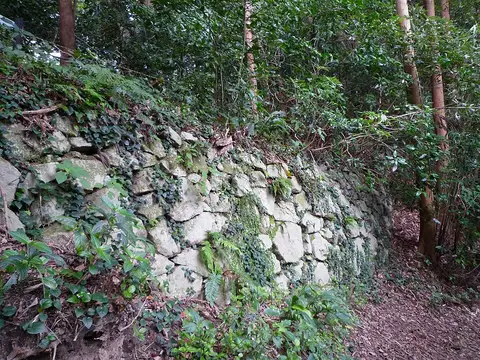
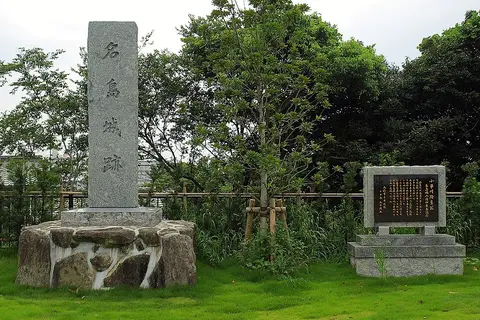
Fukuoka is really a twin city. East of the Naka River lay Hakata, one of Japan's oldest port cities, which has handled trade with China and Korea since ancient times and through which Zen Buddhism – and reportedly tea, udon, and soba as well – found its way to Japan. In 1274 and 1281, the Mongols under Kublai Khan tried to land here – typhoons, the "kamikaze" or divine winds, sank their fleets, and remnants of the defensive wall can still be seen. West of the river, Lord Kuroda built his castle around 1600 and named the samurai town Fukuoka. The two were merged in 1889; the city is called Fukuoka, but the main train station is still called Hakata to this day.
Neighborhoods and Districts
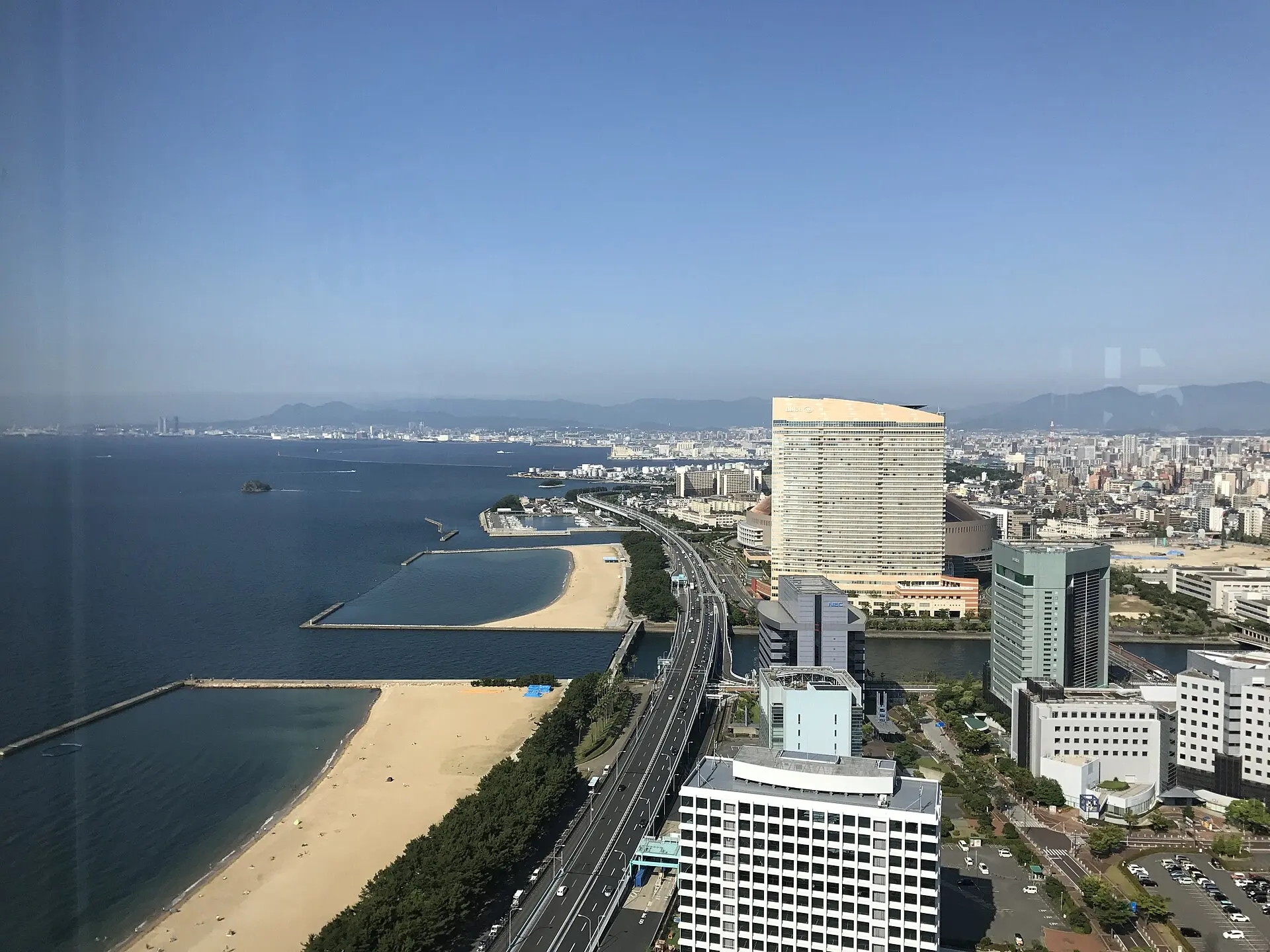
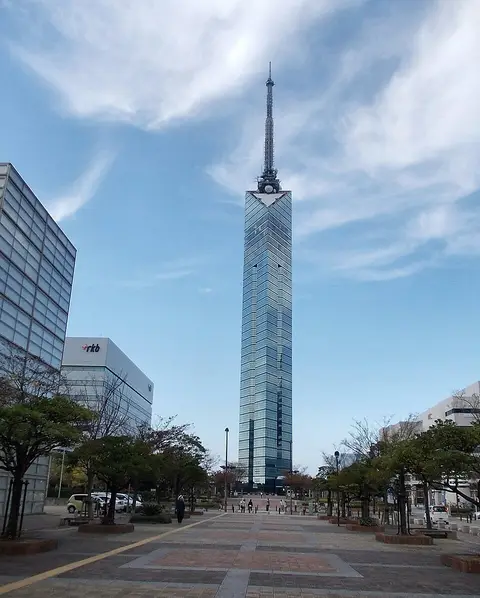
The Hakata ward is home to the Shinkansen station with its large shopping centers, the old town with its temples, and Kushida Shrine; quiet lanes can be found in the temple district of Gokusho-machi. The Chūō ward is the shopping heart of the city: Tenjin with its department stores and underground shopping arcade, trendy Daimyō with boutiques and cafés, plus Ōhori Park and the castle ruins. Between the two, on a river island, lies Nakasu, whose blocks, such as Nakasu 2, form the largest entertainment district west of Osaka. Higashi in the north covers the Uminonakamichi peninsula and Shikanoshima Island, while Sawara in the west includes Momochi with its beach and Fukuoka Tower. Minami and Jōnan are residential districts, and Nishi leads to the beaches toward Itoshima.
Sights in Fukuoka
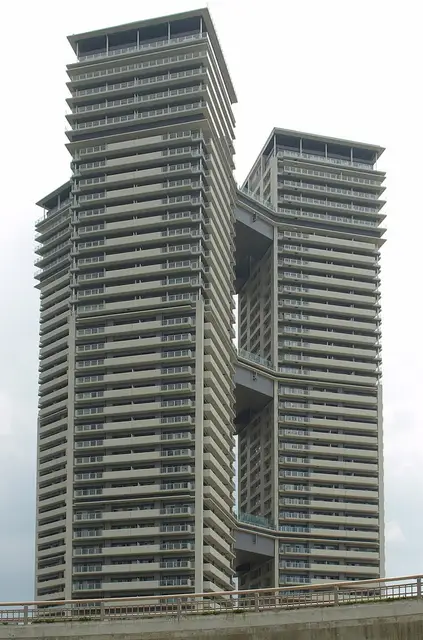
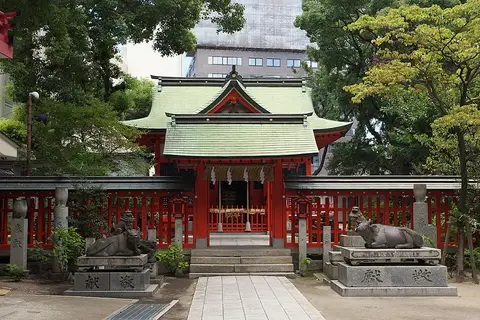
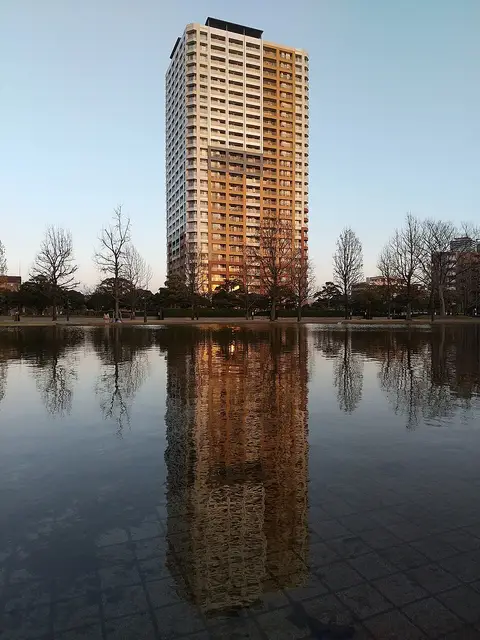
Kushida Shrine is the spiritual center of Hakata; one of the enormous festival floats of the Hakata Gion Yamakasa stands here year-round, and in July teams of men in loincloths carry the multi-ton floats at a run through the old town. Tōchō-ji houses one of Japan's largest seated wooden Buddhas, and Shōfuku-ji is considered the country's first Zen temple. In Ōhori Park you can stroll around a large pond, and right next door are the stone walls of Fukuoka Castle, where the cherry blossoms are celebrated. At over 230 meters, Fukuoka Tower in Momochi is Japan's tallest seaside tower, and its base leads to the artificial Momochi Beach. A ferry takes you in just a few minutes to Nokonoshima Island with its flower fields. Things get quieter in the temple lanes around Jōten-ji, regarded as the birthplace of udon and soba in Japan, and at Rakusui-en, a small garden with a teahouse near Hakata. If you like architecture, check out the new Tenjin Big Bang high-rise project in Tenjin, through which the center's old office buildings have been gradually replaced by new ones in recent years. At the end of a summer day, you can sit on Momochi Beach and watch the sun sink into the Genkai Sea.
Museums and Culture
The Fukuoka Asian Art Museum in Hakata Riverain is devoted exclusively to contemporary Asian art, and the Fukuoka City Museum displays as its treasure the golden Na royal seal from the 1st century, a gift from the Chinese emperor. At the Hakata Machiya Folk Museum, Hakata dolls are painted and Hakata-ori silk sashes are woven. The artful ACROS Fukuoka building, with its planted terraces, is a well-known example of ecological architecture. In November, the Kyūshū sumo tournament takes place, and baseball fans cheer on the SoftBank Hawks at Mizuho PayPay Dome.
Eating in Fukuoka
Fukuoka is the home of Hakata ramen: thin, firm noodles in a milky, cloudy pork-bone broth (tonkotsu). If you want more noodles, order "kaedama," a refill portion. Mentaiko, spicy marinated pollock roe, is sold as a souvenir and served over rice, motsunabe is a hearty stew with offal, cabbage, and garlic, and mizutaki is a clear chicken hot pot. Restaurants in Fukuoka are known for fresh fish from the Genkai Sea, such as goma-saba, raw marinated mackerel with sesame. Chefs shop at Yanagibashi Market, and the yatai in Nakasu and Tenjin serve oden, gyōza, and yakitori alongside ramen.
Going Out in Fukuoka
An evening in Fukuoka often begins at a yatai – you sit shoulder to shoulder, and conversation with your neighbors comes naturally. Afterward, head to the bars and clubs of Nakasu or to the more laid-back pubs and craft beer bars of Daimyō and Tenjin-Oyafukō-dōri. Thanks to its universities, the city has a young crowd, prices are lower than in Tokyo, and because everything is close together, you can usually walk home. A note on yatai etiquette: seats are scarce, so you order quickly, eat, and then make room for the next guests – if you want to linger, do it at the bar next door.
Getting Around Fukuoka and the Best Time to Visit
Few airports are so central: from Fukuoka Airport, the subway takes five minutes to Hakata Station and a good ten to Tenjin. The Shinkansen reaches Hiroshima in about an hour and Osaka in around two and a half hours, and fast ferries and flights connect to Busan in Korea. Three subway lines, buses, and rental bikes are all you need in the city. The best times to visit are spring and fall; summer is hot, and late summer brings the threat of typhoons. Worthwhile excursions lead to Dazaifu Tenman-gū Shrine with the Kyūshū National Museum, to the surf beaches of Itoshima, and to the onsen towns of Beppu and Yufuin.