Fukuoka Prefecture: Ramen, Temples, and the Gateway to Kyushu
Travel guide · editorialA vacation in Fukuoka Prefecture often begins at a riverside food stall, with a bowl of tonkotsu ramen and conversation with your neighbors at the counter. The prefecture in northern Kyushu has always been Japan's window to Korea and China – and you can see it in its history, its cuisine, and the way of life of its people. If you want to continue your journey, this is the ideal starting point for the south.
Location and Landscape
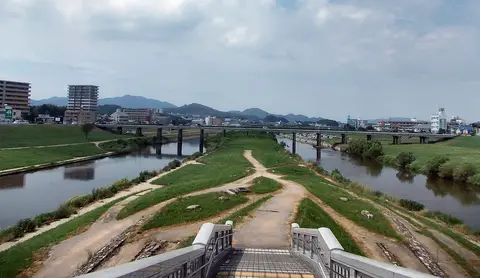
The prefecture is bordered to the north by the Genkai Sea and the Kanmon Strait, and to the south by the Ariake Sea. In between lie the Chikushi Plain with the Chikugo River, rice fields and tea-growing areas, as well as hill country such as Mount Hiko, an ancient pilgrimage mountain of mountain ascetics. The coast between Fukuoka and Itoshima is lined with sandy beaches and pine groves; Shikanoshima and Nokonoshima are small islands in Hakata Bay that you can reach by ferry. The climate is mild, with hardly any snow in winter, while the rainy season in June and July brings heavy rainfall.
Fukuoka and Hakata
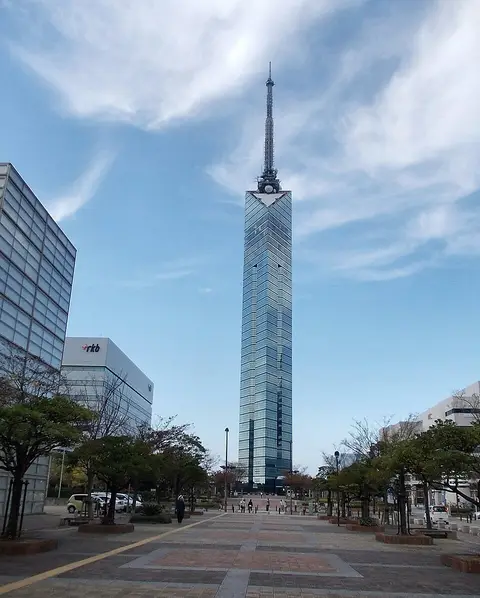
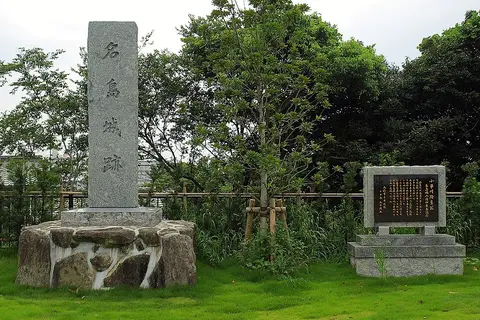
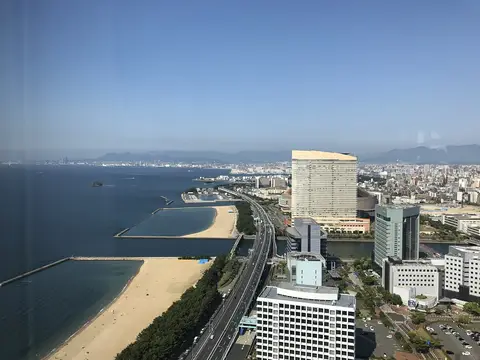
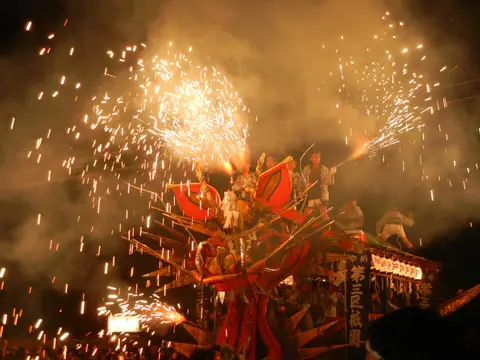
The prefectural capital grew out of two towns: the castle town of Fukuoka and the merchant town of Hakata, which were separated by the Naka River. In the evening, the yatai, mobile food stalls where you can eat ramen, yakitori, and oden, set up on the island of Nakasu. The Kushida Shrine is the starting point of the Hakata Gion Yamakasa festival in July, in which teams race through the streets at dawn carrying floats weighing several tons. In Ohori Park you can stroll around a large pond, and next to it lie the ruins of Fukuoka Castle. Canal City and Tenjin are shopping districts, while Fukuoka Tower on Momochi Beach offers panoramic views over the bay and the city. For years, Fukuoka has been regarded as one of Japan's fastest-growing major cities and as a hub for start-ups. The Daimyo and Imaizumi neighborhoods are full of small shops, cafés, and bars, and ferries to the islands of the bay depart from the harbor.
Sights in Fukuoka Prefecture
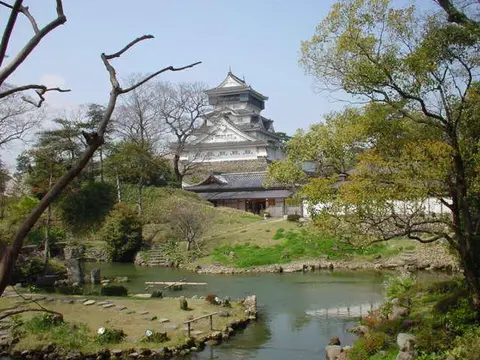
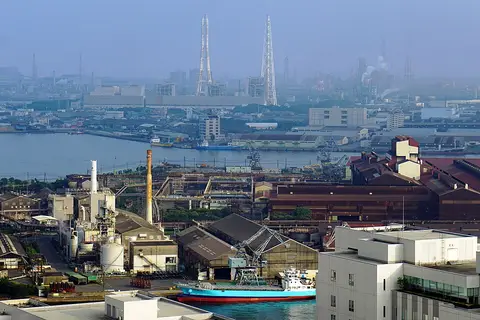
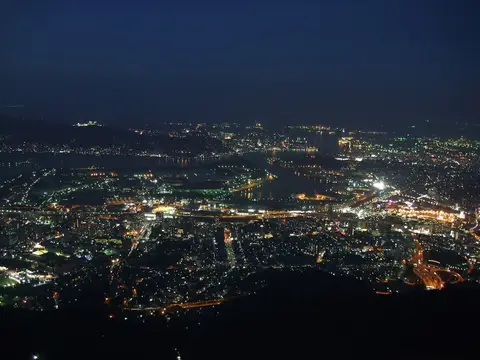
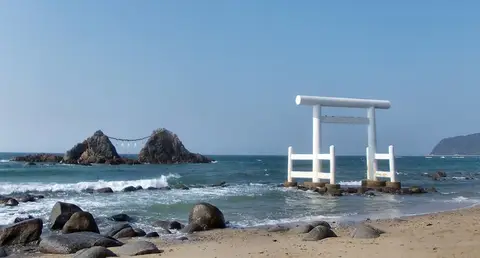
For centuries, Dazaifu was the administrative center of Kyushu. Dazaifu Tenmangu honors the scholar Sugawara no Michizane, and students come here to pray for success on their exams; in February, thousands of plum trees bloom on the grounds. Right next door stands the Kyushu National Museum. In Yanagawa, visitors are poled through canals lined with willows in flat-bottomed boats. Munakata is home to Munakata Taisha, whose shrines are part of a World Heritage Site together with the island of Okinoshima. In Kitakyushu, the brick buildings in the port of Mojiko recall the heyday of trade, while Kokura Castle and the Kawachi wisteria tunnels draw visitors in spring. Itoshima is a meeting place for surfers and café owners, with the white torii gate in the surf at Sakurai Futamigaura. In Kitakyushu, it's also worth visiting the Kokura district with the covered Tanga Market, known as the city's kitchen, as well as the ropeway up Mount Sarakura, from whose summit you can enjoy one of the most beautiful nighttime city views in Japan.
Food and Drink
Hakata ramen, with its milky, cloudy pork-bone broth and thin noodles, is the best-known specialty; you choose how firm you want the noodles and, if you like, order a refill portion called "kaedama." Mentaiko, spicy marinated pollock roe, came to Fukuoka via Korea and is sold everywhere. Motsunabe, a hot pot of offal, cabbage, and garlic, warms you up in winter. According to tradition, tonkotsu broth originated in Kurume, where yakitori is also part of everyday cuisine. High-quality gyokuro tea comes from Yame in the south, and the distilleries of the Chikugo Plain produce shochu and sake.
Getting There and Best Time to Visit
Fukuoka Airport is only a few subway minutes from Hakata, making it one of the closest major airports to a city center in the world. The Sanyo Shinkansen trains from Osaka and Hiroshima terminate at Hakata Station, and the Kyushu Shinkansen continues on to Kumamoto and Kagoshima. Ferries connect Hakata with Busan in South Korea as well as with the islands of Iki and Tsushima. The best times to visit are spring, with plum and cherry blossoms, and fall, with its mild temperatures. In July the Yamakasa festival is worth it despite the heat, and in winter the yatai are especially cozy.