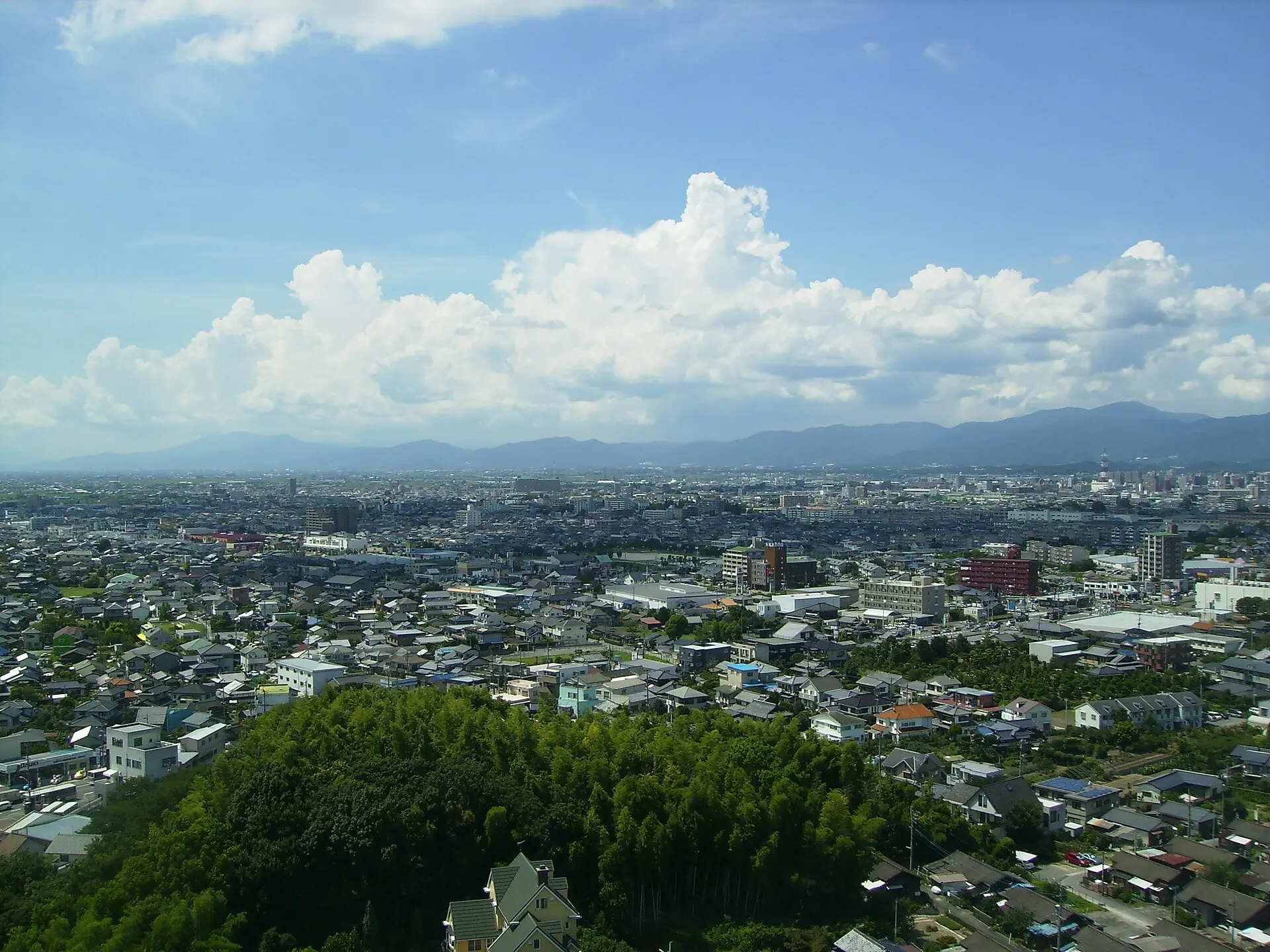
Discovering Kurume: Tonkotsu Ramen, Yakitori and Azaleas
Travel guide · editorialSteam rises from kitchens all over Kurume: this is where the first cloudy pork-bone broth is said to have been cooked in the 1930s, the broth that later grew into the tonkotsu ramen of all Kyūshū. A trip to Kurume is therefore above all a culinary one, rounded out by shrines, gardens and crafts along the banks of the Chikugo River.
Birthplace of Tonkotsu Ramen
In 1937, a street stall opened at Kurume Station that is considered the origin of tonkotsu ramen; according to legend, the milky broth came about because a cook accidentally let the bones simmer for too long. The Kurume style is still especially rich and has a powerful aroma, and part of the broth is often kept going for days and topped up. If you want to compare several shops, you'll find dozens of ramen restaurants around JR Kurume Station and Nishitetsu Kurume Station, many of them family-run for decades and open as early as morning.
Restaurants in Kurume: the Yakitori Capital
Kurume is just as proud of its yakitori culture: relative to its population, the city has one of the highest concentrations of skewer grills in Japan. Here it's not only chicken that goes on the grill but also pork, beef and offal, with pork offal especially popular. It's also typical for the skewers to be served with fresh cabbage and a tangy sauce. In the evening, the small restaurants in the neighborhood around Nishitetsu Station fill up with office workers and students; locals like to drink sake from nearby Jōjima, a brewing town with a long tradition on the Chikugo.
Sights in Kurume
On the riverbank stands Suitengū, the head shrine of all the Suitengū shrines in Japan, which are venerated for protection from water accidents and for safe childbirth. To the east rises Mount Kōra with Kōra Taisha, the most important shrine of the former Chikugo Province; from the terrace you can see far across the plain, and in autumn the maple trees glow. Bairin-ji temple is known for its plum garden, which blooms in February. Kurume is also considered the home of the Kurume azaleas, which turn parks and mountain slopes pink and red in April. Art lovers visit the municipal art museum in the Ishibashi Cultural Center, named after the founder of Bridgestone, which opened here in 1931.
Crafts and Festivals
Kurume kasuri is a cotton fabric in ikat technique developed in the 18th century, in which the yarns are dyed indigo blue in sections before weaving. In workshops in the surrounding area you can watch the weavers at work and buy bags or scarves. In early August, the Chikugo fireworks take place, one of the largest in Kyūshū, a tradition dating back to the 17th century that draws tens of thousands of people to the riverbank. In spring, the city celebrates its azaleas with festivals and flower markets.
Getting There and Best Time to Visit
Kurume is about 15 minutes from Hakata on the Kyūshū Shinkansen, and the Nishitetsu line runs from Tenjin in about half an hour. That makes the city a good day trip from Fukuoka, or a quieter place to stay for excursions to Yanagawa with its canals. The best times to visit are spring and fall, when the climate is pleasant and azaleas or autumn foliage color the hills; summer is humid and hot.