Discovering Kitakyūshū: Harbor, Castle and Steel Heritage
Travel guide · editorialWhere Honshū and Kyūshū almost touch, freighters nose through the Kanmon Strait, and the waterfront of Mojikō is lined with brick buildings from the days when this was a hub of world trade. Kitakyūshū is a city of ships, smokestacks and markets – and a surprisingly rewarding stop on a trip through southern Japan. If you're planning a vacation in Kitakyūshū, you'll find castles, industrial history, wisteria blossoms and a distinctive local cuisine.
Five Cities, One Name
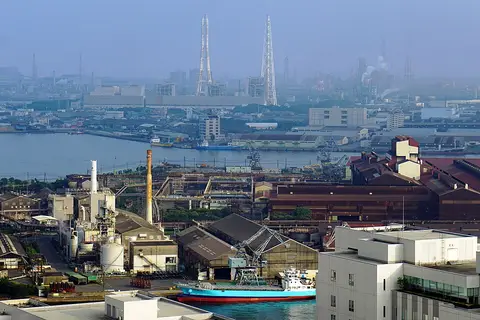
Kitakyūshū has existed only since 1963, when the cities of Moji, Kokura, Wakamatsu, Yahata and Tobata merged. Each has its own history: Kokura was a castle town, Moji an international port for coal and rice, and Wakamatsu a shipping point for coal from the mines of the Chikuhō coalfield. With the state-run Yawata Steel Works, which opened in 1901, Japan's modern heavy industry began. Some of its facilities have been part of the UNESCO World Heritage listing for the Sites of Japan's Meiji Industrial Revolution since 2015. Air pollution in the 1960s was notorious; that Kitakyūshū is now regarded as a model for environmental protection is one of the more remarkable turns in the city's history.
Sights in Kitakyūshū
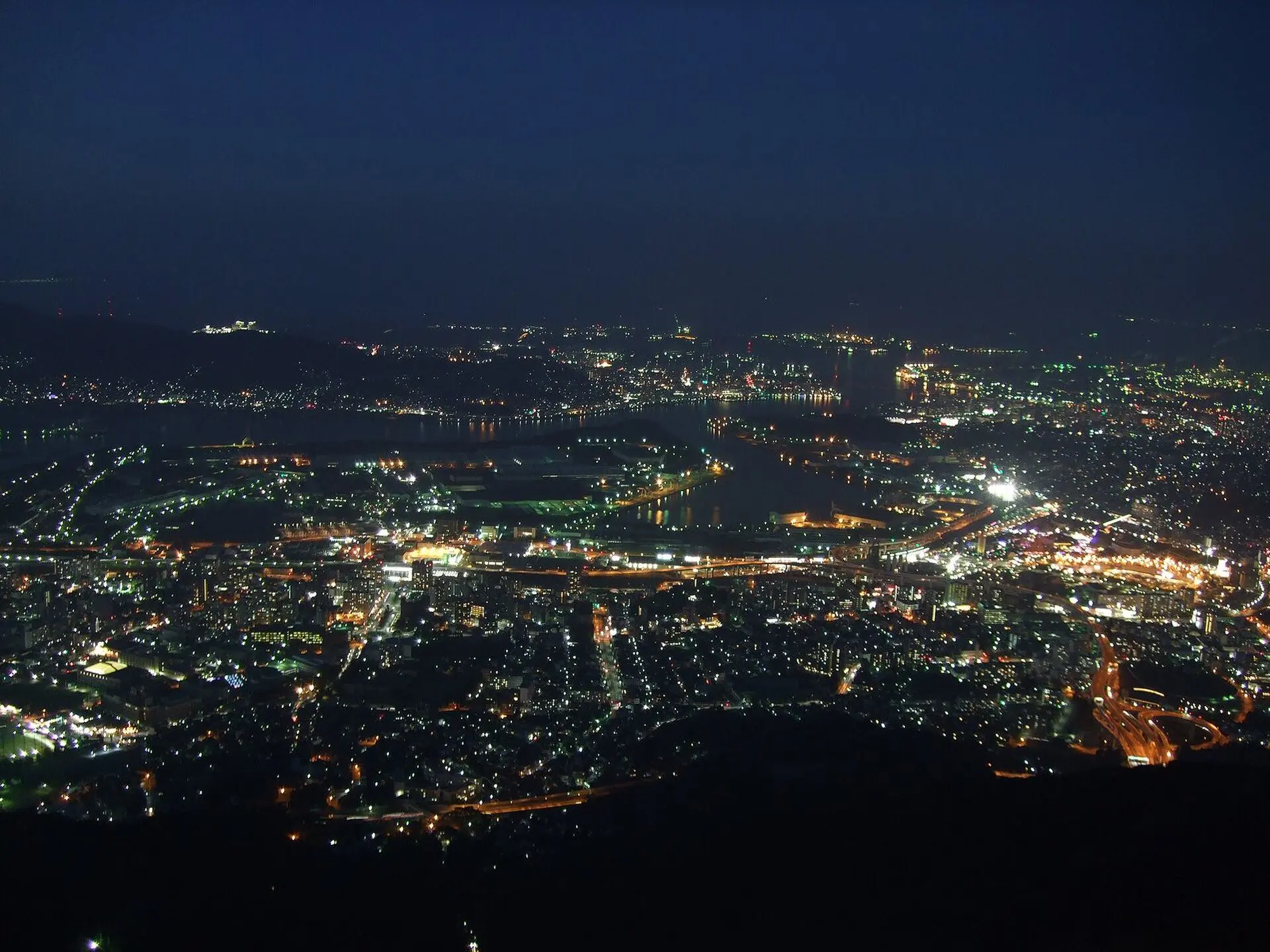
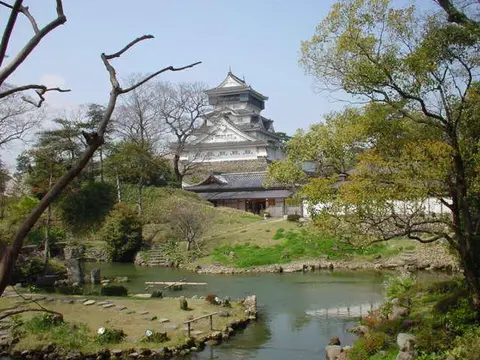
In the Kokura-Kita ward stands Kokura Castle, whose main keep was rebuilt in 1959; next to it lies a garden in the style of a feudal lord's residence. Five minutes' walk farther on, the Tanga Market begins, a narrow covered market street known as the kitchen of Kitakyūshū – fish, pickled vegetables and bento boxes in small shops. In the Moji ward, Mojikō Retro invites you to stroll: the old train station building from 1914, the customs house, trading offices and a drawbridge for pedestrians. If you like, you can walk through the roughly 780-meter-long Kanmon Pedestrian Tunnel under the sea to Shimonoseki on Honshū. In the Yahata-Nishi ward, Mount Sarakura, reachable by cable car, offers a night view counted among the most beautiful in Japan.
Flowers, Culture and Museums
In late April and early May, the Kawachi Fujien garden in the Yahata-Higashi ward turns its wisteria tunnels into a sea of purple and white; during this period, admission must be booked in advance. Culturally interesting are the Matsumoto Seichō Memorial Museum, dedicated to the famous crime novelist, and the TOTO Museum on the history of sanitary technology – the company comes from Kitakyūshū. The Museum of Natural History and Human History in the Yahata-Higashi ward displays dinosaur skeletons. In July, drums thunder at the Kokura Gion Daiko festival, as floats are pulled through the streets.
Eating in Kitakyūshū
Kitakyūshū claims two dishes as its own: Yaki-udon, stir-fried thick noodles with vegetables and meat, is said to have been invented in Kokura after the war. Mojikō, in turn, has yaki-curry, rice with curry sauce and cheese, baked in the oven. Down-to-earth is nukadaki, sardines or mackerel simmered in rice-bran paste – a legacy of working-class cooking. Thanks to the seaside location, fugu from the Kanmon Strait, squid and oysters from the region are common. At night, a few yatai, the typical street stalls, open in Kokura. At the Tanga Market, it's worth buying a bowl of rice at midday and building your own meal from stalls selling sashimi, tempura or gyōza. Fish from the Genkai Sea is especially fresh here, and if you're looking for sweet souvenirs, you'll find all sorts of banana pastries in Mojikō – a nod to the time when bananas from Taiwan were landed here and auctioned off at the top of people's voices.
Going Out and Getting Around
Nightlife is concentrated in Kokura, especially around the Uomachi shopping street and the banks of the Murasaki River with the Riverwalk shopping center. The city is a good transport hub: Kokura is on the Shinkansen line, Hakata in Fukuoka is about 15 minutes away, and Hiroshima is just under an hour away. Kitakyūshū Airport sits on an artificial island and is open around the clock; alternatively, Fukuoka Airport offers more connections. Within the city, a monorail runs south from Kokura, and JR lines connect the wards.
Best Time to Visit and Day Trips
The best times to visit are spring and fall; late April to mid-May is especially popular because of the wisteria. The Hiraodai limestone plateau in the south of the city is great for hiking among grass-covered rocks that look like flocks of sheep. Shimonoseki, with its Karato fish market, can be reached in a few minutes by small ferry from Mojikō, and the big city of Fukuoka is only a short train ride away.