

Nagasaki Prefecture: Harbor, Faith, and Islands
Travel guide · editorialFor more than two centuries, Nagasaki was Japan's only window to Europe – a legacy you can still feel today in its churches, trading houses, and cuisine. A vacation in Nagasaki Prefecture takes you to a port city set among steep hills, to islands with churches of the hidden Christians, and to the Unzen volcano. Nagasaki is also, along with Hiroshima, the second city to have been destroyed by an atomic bomb.
Landscape and Islands
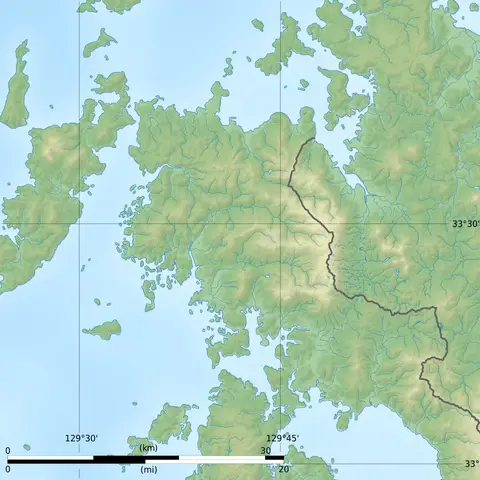
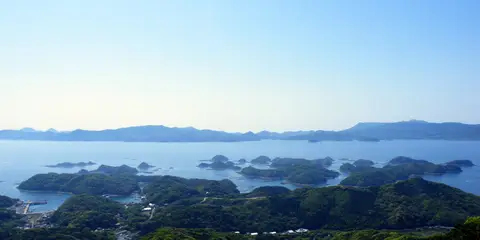
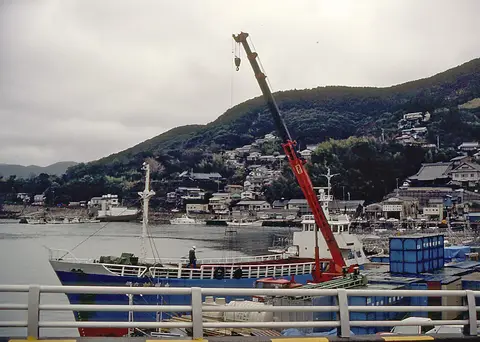
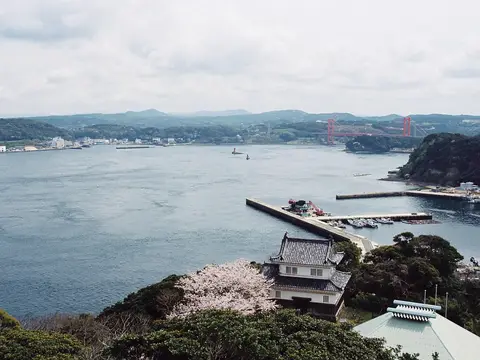
The prefecture has one of the longest coastlines in Japan and consists largely of islands. The mainland portion includes the Nishisonogi, Shimabara, and Kitamatsuura peninsulas as well as Ōmura Bay. To the west lie the Gotō Islands; to the north are Hirado, Iki, and Tsushima, which is only about 50 kilometers from South Korea. The Shimabara Peninsula is dominated by the Unzen volcano, whose pyroclastic flows killed dozens of people in 1991. Off Sasebo, the Kujūku Islands are scattered across the sea – 208 small, forested islets.
Sights in Nagasaki Prefecture
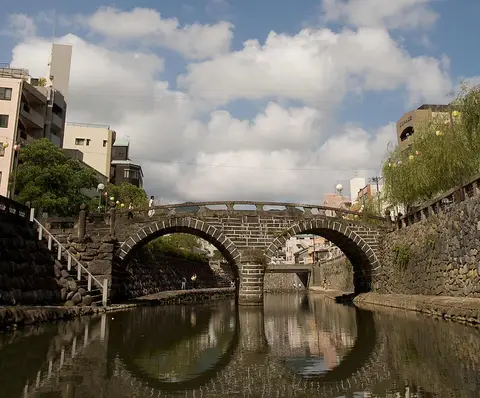
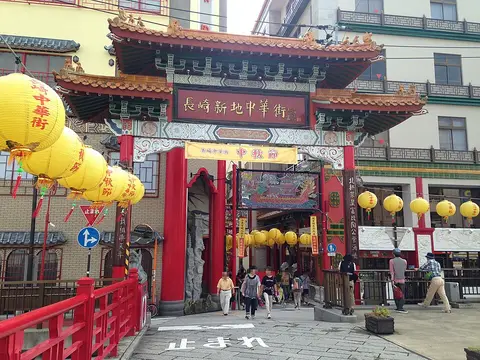
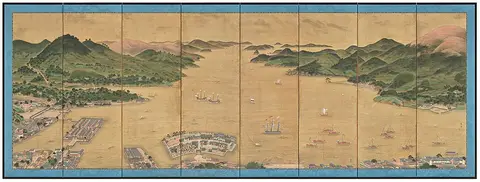
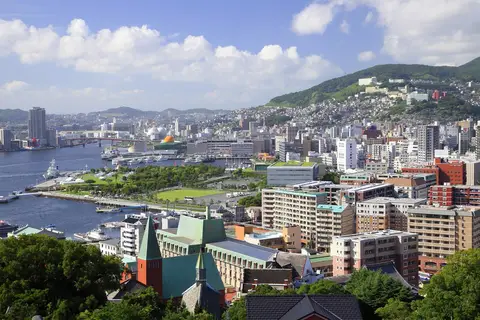
Dejima, a fan-shaped artificial island, was the only place where the Dutch were permitted to trade starting in 1641; its warehouses and living quarters have been reconstructed. Ōura Church, built in 1864, is considered the oldest surviving church in Japan and is part of the World Heritage listing for the hidden Christians, which includes sites in Nagasaki and Amakusa. In Glover Garden, the villas of Western merchants stand above the harbor, and the Shinchi district is the oldest Chinatown in Japan. Peace Park, with its imposing statue, and the Atomic Bomb Museum commemorate August 9, 1945. From Mount Inasa, you look out at night over one of the most beautiful city views in the country. Off the coast lies Hashima, nicknamed "Gunkanjima" (Battleship Island) for its silhouette; you can visit the abandoned coal-mining island by boat.
Mainland Destinations in Nagasaki
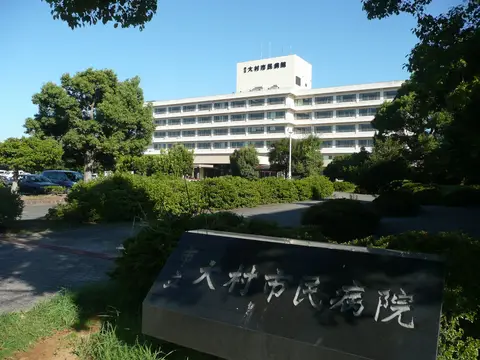
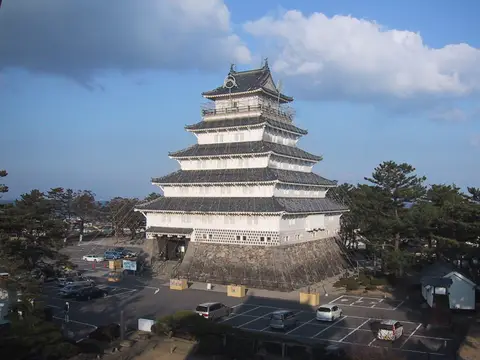
Sasebo is a naval port, and nearby is Huis Ten Bosch, a theme park that re-creates a Dutch town with canals and windmills. Unzen has steaming hell valleys, where Christians were tortured in the 17th century, and onsen hotels with a long tradition; today, hiking trails lead to the Fugen summit. Shimabara preserves a castle and a samurai district with waterways in which carp swim. Before Dejima, Hirado was a trading post for the Portuguese and the Dutch; the view of the church rising above the temple roofs is famous. Isahaya and Ōmura lie on the bay, with Ōmura home to the airport.
Islands with History
The Gotō Islands have around 50 churches, many built of wood or brick by Christians who lived in secret here while their faith was banned. There are also beaches such as Takahama, with its clear water. For centuries, Tsushima served as an intermediary between Japan and Korea, and Iki offers quiet coves, distilleries making barley shōchū, and hiking trails to rock formations by the sea. From Sasebo, a side trip to the Kujūku Islands is worthwhile; you can admire them from the Tenkaiho viewpoint or on a sightseeing boat from Kashimae. On Iki, burial mounds and a museum recall an early kingdom that is already mentioned in Chinese chronicles.
Food and Drink
Champon is a noodle soup with pork, seafood, and vegetables, invented by a Chinese cook in the 19th century for students; sara udon is its crispy variant. Castella, a sponge cake introduced by the Portuguese, is the best-known souvenir. Shippoku ryōri is a banquet meal that brings together Japanese, Chinese, and European influences at a round table. Turkish rice combines a cutlet, pilaf, and spaghetti on one plate. Sasebo is known for its big burgers, which trace back to the American naval base, and the Gotō Islands for their thin udon noodles.
Getting There and Best Time to Visit
Since 2022, the Nishi-Kyūshū Shinkansen has connected Takeo-Onsen with Nagasaki; from Hakata, the trip takes just under an hour and a half with one transfer. The airport is located on an island in Ōmura Bay and has connections to Tokyo and Osaka. Ferries and planes serve Gotō, Iki, and Tsushima. Spring and fall are considered the best times to visit. For Chinese New Year in January or February, thousands of lanterns light up Chinatown and the Nakashima River during the Lantern Festival. In early October, the Kunchi Festival takes place at Suwa Shrine, with dragon dances.