Discovering Kōbe: Harbor, Mountains, and Wagyu
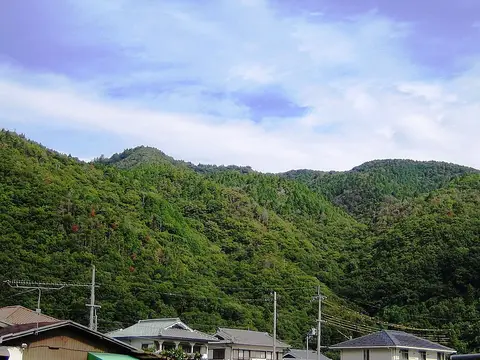
Travel guide · editorialBetween the Rokkō Mountains and Osaka Bay, Kōbe stretches along the water as a narrow ribbon – from the train station to the harbor it's often only a ten-minute walk, and to the hiking trails in the mountains barely more. A trip to Kōbe combines a cosmopolitan port atmosphere with sake breweries and what is probably the most famous beef in the world.
A Port City with a View of the World
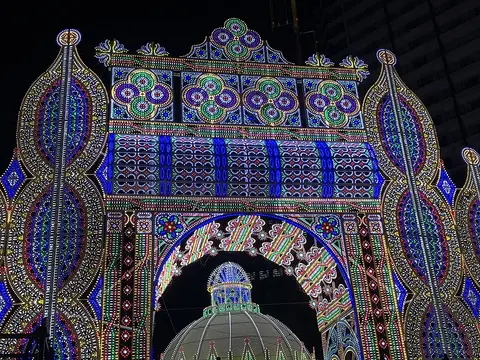
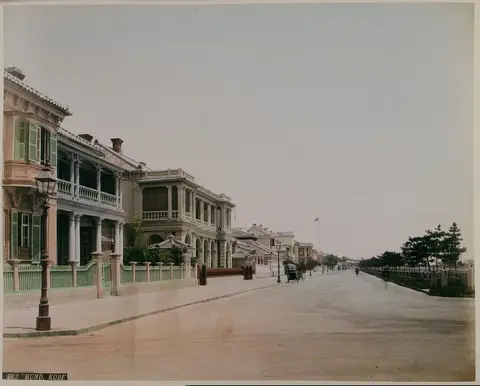
In the Middle Ages the harbor was called Ōwada-no-tomari and served as a trading post for commerce with China. Its modern history began in 1868, when Kōbe was opened to foreign merchants. Europeans and Americans built villas on the hillsides, the Chinese founded Nankinmachi, and Kōbe became one of the most important ports in Asia. On January 17, 1995, the Great Hanshin Earthquake destroyed large parts of the city, and more than 6,000 people died. The rebuilding was remarkably quick, and the memory remains vivid: in December, the Kobe Luminarie light festival commemorates the victims.
Neighborhoods and Districts
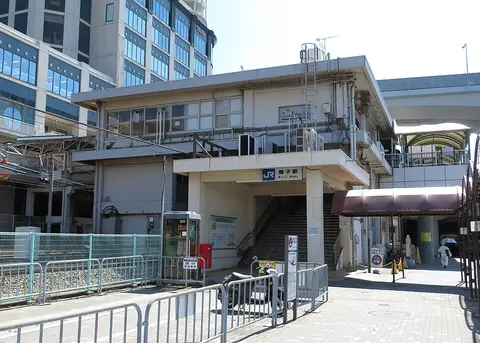
Almost everything visitors want to see lies in Chūō Ward. Sannomiya is the center, with department stores, train stations, and restaurants, while Motomachi is the older shopping street. Up the slope lies Kitano with the Ijinkan, the villas of the former foreign residents, and down by the water are Harborland and Meriken Park. To the east are Nada and Higashinada, the heart of the Nada-Gogō sake region, with breweries such as Hakutsuru and Kiku-Masamune. Hyōgo Ward is home to the historic port, while Nagata has a large Korean community and is the birthplace of sobameshi. Tarumi in the west looks out on the Akashi-Kaikyō Bridge, and Kita Ward behind the mountains includes the hot spring town of Arima.
Sights in Kōbe
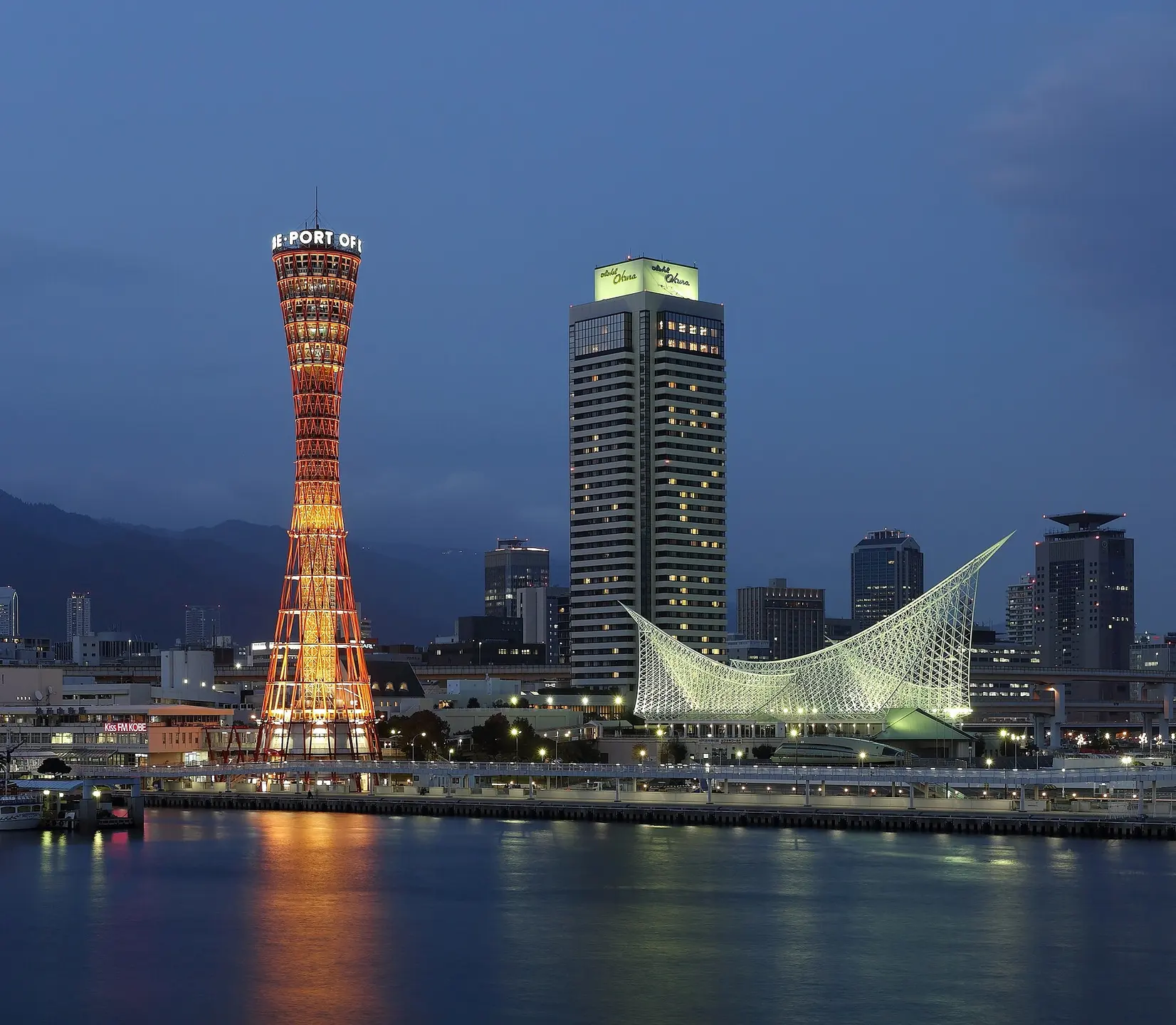
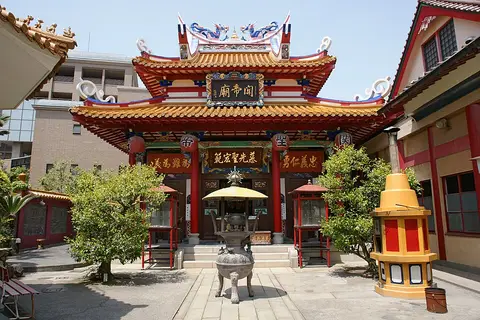
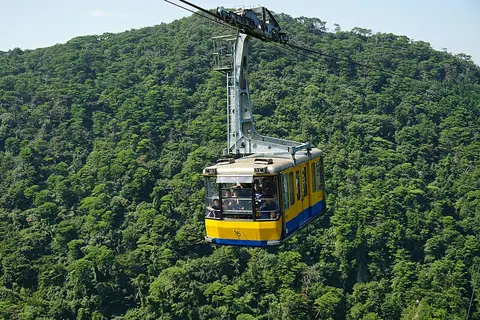
The red Port Tower, with its waisted lattice structure, is the landmark of Meriken Park, and next to it a preserved section of the destroyed quay wall serves as a reminder of the earthquake. In Kitano you can visit several Ijinkan, such as the Weathercock House with its rooster weathervane. Nankinmachi, Kōbe's Chinatown, is small but lively. The Shin-Kobe Ropeway carries you up to the Nunobiki Herb Garden, and at night Mount Rokkō or Mount Maya offers a panorama counted among Japan's "ten-million-dollar views." Until 2022, the Akashi-Kaikyō Bridge held the world record for the longest span of any suspension bridge; on guided tours you can climb one of its towers.
Museums and Culture
The Disaster Reduction and Human Renovation Institution offers a moving explanation of the 1995 earthquake. The Hyōgo Prefectural Museum of Art, a concrete building by Tadao Andō on the waterfront, shows modern art, while the Kobe City Museum presents art from the Namban period, when Portuguese traders reached Japan. Jazz has a long tradition here, and the Takarazuka Revue, whose all-female ensembles perform musicals, plays in the neighboring city of Takarazuka. At the harbor, the Kobe Maritime Museum tells the history of seafaring beneath its sail-shaped white roof, and the neighboring Kawasaki Good Times World showcases motorcycles and Shinkansen technology made in Kōbe.
Eating in Kōbe
Kobe beef comes from Tajima cattle from Hyōgo Prefecture and is strictly certified; in teppanyaki restaurants in Sannomiya it is grilled on the iron griddle right in front of you. It's more affordable as a lunch set. Sobameshi, fried noodles with rice, originated in Nagata, while akashiyaki from nearby Akashi are soft octopus balls served in broth. Thanks to the foreign community, Kōbe has a long tradition of bakeries and pastry shops, and in the breweries of Nada you can taste sake brewed with soft Miyamizu water.
Getting Around Kōbe and the Best Time to Visit
Kōbe's small airport, on an island, is connected to Sannomiya by the Port Liner in about 20 minutes; international flights land at Kansai, from where high-speed boats cross the bay. Osaka is just over 20 minutes away by JR, Hankyū, or Hanshin, and the Shinkansen stops at Shin-Kōbe. In the city, the municipal subway, the Port Liner, and the City Loop bus connect the main sights, though much can be explored on foot. Spring and fall are the best times to visit; summer is muggy, and winters usually stay mild thanks to the bay. Worthwhile excursions include Arima Onsen, one of Japan's oldest hot spring resorts with its reddish, iron-rich "Kinsen" water; Himeji Castle, about 40 minutes away; or across the bridge to Awaji Island with its flower parks and whirlpools in the Naruto Strait.