Hyōgo Prefecture: From Kōbe to Himeji Castle
Travel guide · editorialA vacation in Hyōgo Prefecture takes you across the width of Honshū: from the port city of Kōbe on the Seto Inland Sea to the seaside resorts on the Sea of Japan. Along the way you'll find Himeji Castle, Japan's most beautiful original surviving fortress, plus sake breweries, vineyards, mountain villages, and Awaji Island. The prefecture is big enough to fill several days of travel.
From Sea to Sea
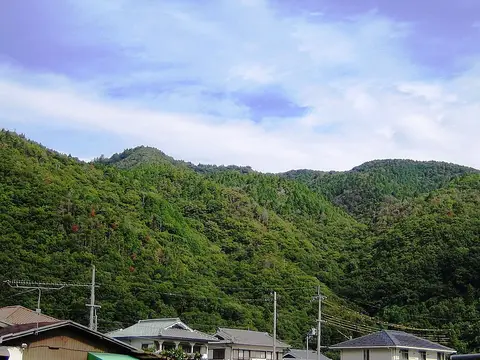
Hyōgo is the only prefecture in Kansai that borders both the Seto Inland Sea and the Sea of Japan. In the south, cities such as Kōbe, Amagasaki, Nishinomiya, Akashi, and Kakogawa line the coast, and the Rokkō Mountains rise steeply behind Kōbe. Rice fields, forests, and the Tamba highlands fill the interior. In the north, around Toyooka, rugged cliffs, fishing villages, and snowy winters shape the landscape. The Akashi Kaikyō Bridge, one of the longest suspension bridges in the world, takes you to Awaji Island and on to Shikoku.
Kōbe and the Coastal Cities
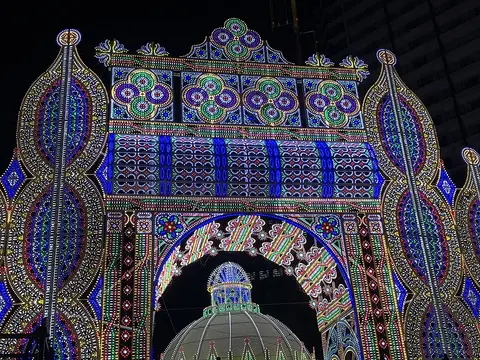
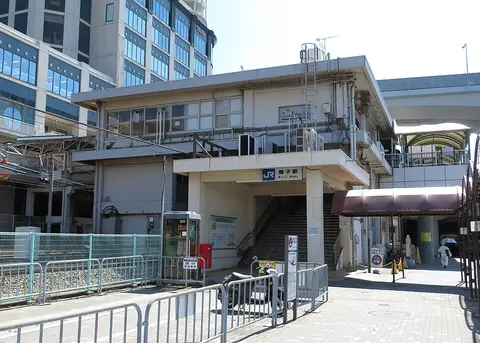
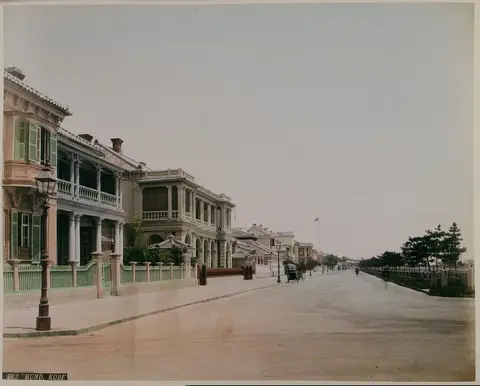
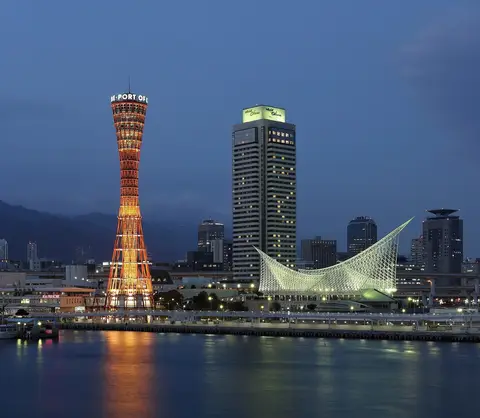
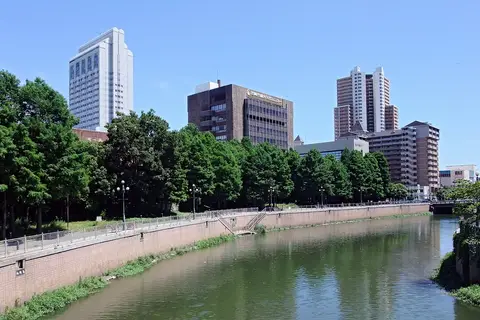
Kōbe is a port city with a European flavor. The Kitano district is home to the mansions of foreign merchants from the late 19th century, and the small Chinatown of Nankinmachi invites you to stop for a meal. The Harborland promenade and the red Port Tower define the waterfront; the 1995 earthquake, which destroyed large parts of the city, is documented in the Memorial Park and at the disaster prevention museum. A cable car takes you up Mount Rokkō or to the Nunobiki Herb Garden. Nishinomiya is home to Kōshien Stadium, where the national high school baseball championship takes place every summer. Takarazuka is famous for its revue in which women play all the roles, and Akashi for its fish market and the meridian that determines Japan Standard Time.
Sights in Hyōgo Prefecture
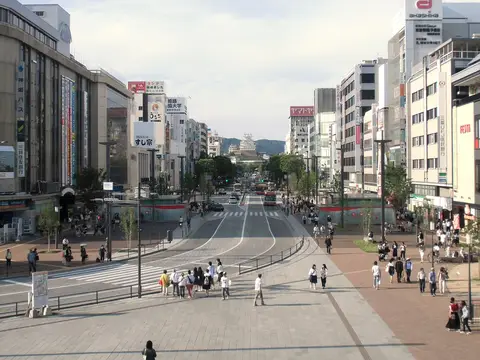
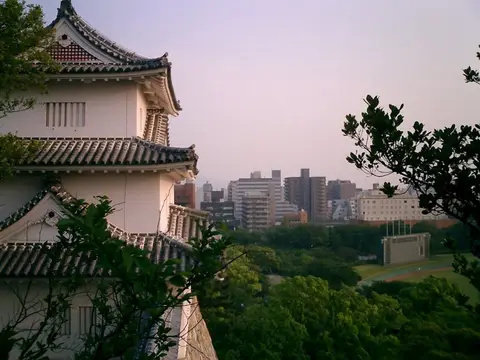
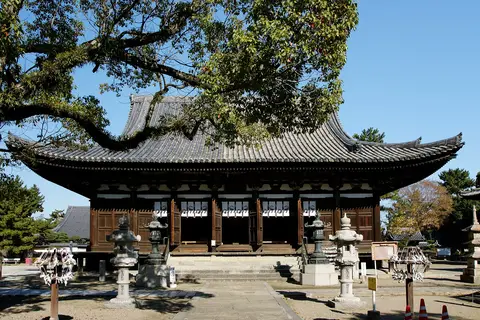
Himeji Castle is also called the "White Heron" because of its white walls. It survived wars and earthquakes almost unscathed, became one of Japan's first World Heritage sites in 1993, and is considered a model of castle architecture. Right next to it lies Kōko-en Garden. On Mount Shosha, north of the city, stands Engyō-ji Temple, which served as a film location for "The Last Samurai." In the north, Kinosaki Onsen awaits, a hot spring town with seven public baths, where guests stroll through the streets in the evening wearing yukata and wooden sandals. Takeda is renowned for its castle ruins on a mountaintop, which in autumn often seem to float above a sea of clouds. Arima Onsen, behind the Rokkō Mountains, is one of the oldest hot spring resorts in Japan.
Food and Drink
Kōbe beef, a type of wagyu from Tajima cattle raised in the north of the prefecture, is the best-known culinary export. In Kōbe there are teppanyaki restaurants where the meat is cooked right before your eyes. The Nada district is Japan's largest sake-producing region; several breweries show their production and offer tastings. Akashi-yaki are tender octopus balls that you dip in dashi broth. In winter, matsuba crab appears on tables along the Sea of Japan, especially in Kinosaki. Sweet onions come from Awaji, and black soybeans and chestnuts from Tamba.
Awaji and the Hinterland
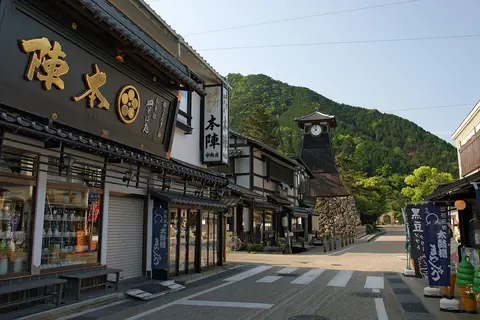
In Japanese mythology, Awaji Island is the first land created by the gods. Today, flower parks, beaches, and the Naruto whirlpools, which you can see from a boat at the turn of the tide, make for popular outings. In the hinterland, Sasayama, with its castle remains and samurai houses, and the pottery of Tachikui, one of the six ancient kiln sites, are worth a visit. Awaji also preserves the Awaji Ningyō Jōruri puppet theater, a tradition older than Bunraku in Osaka. In the north, Toyooka preserves a castle town in its Izushi district, with a clock tower and soba shops, and along the Maruyama River storks live once again, successfully reintroduced here after having died out.
Getting There and Best Time to Visit
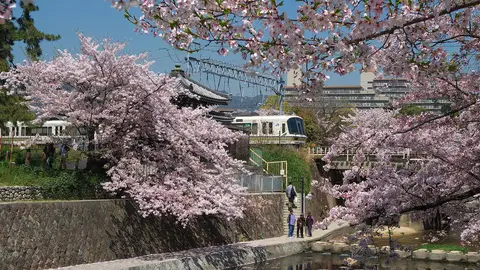
The Shinkansen stops at Shin-Kōbe and Himeji; both are reachable from Osaka in under an hour. Kōbe Airport, on an artificial island, offers domestic connections, while international visitors usually use Kansai. Express trains run north to Kinosaki. Spring and fall are the best times to visit; from late March to early April, cherry blossoms frame Himeji Castle. For crab and snowy onsen lanes, plan a trip between November and March.