
Discover Nagano: Zenkō-ji, Soba, and Snow Monkeys
Travel guide · editorialNagano grew up around a temple, and you can still feel it today. On a trip to the Japanese Alps, the city is more than a stopover: pilgrims, skiers, and hikers all meet in its lanes, and the route to the famous bathing snow monkeys starts here, too.
A Temple Town with Olympic Experience
Zenkō-ji was founded in the 7th century and houses a Buddha statue considered one of the first in Japan – so sacred that it is never shown publicly. Every six to seven years, a replica is presented during the Gokaichō festival, and millions of people stream into the city. Because the temple belongs to no single school, it was open early on to women and to believers of every denomination. Nagano became known worldwide in 1998 as host of the Winter Olympics, which brought the region the Shinkansen and modern sports facilities.
Sights in Nagano
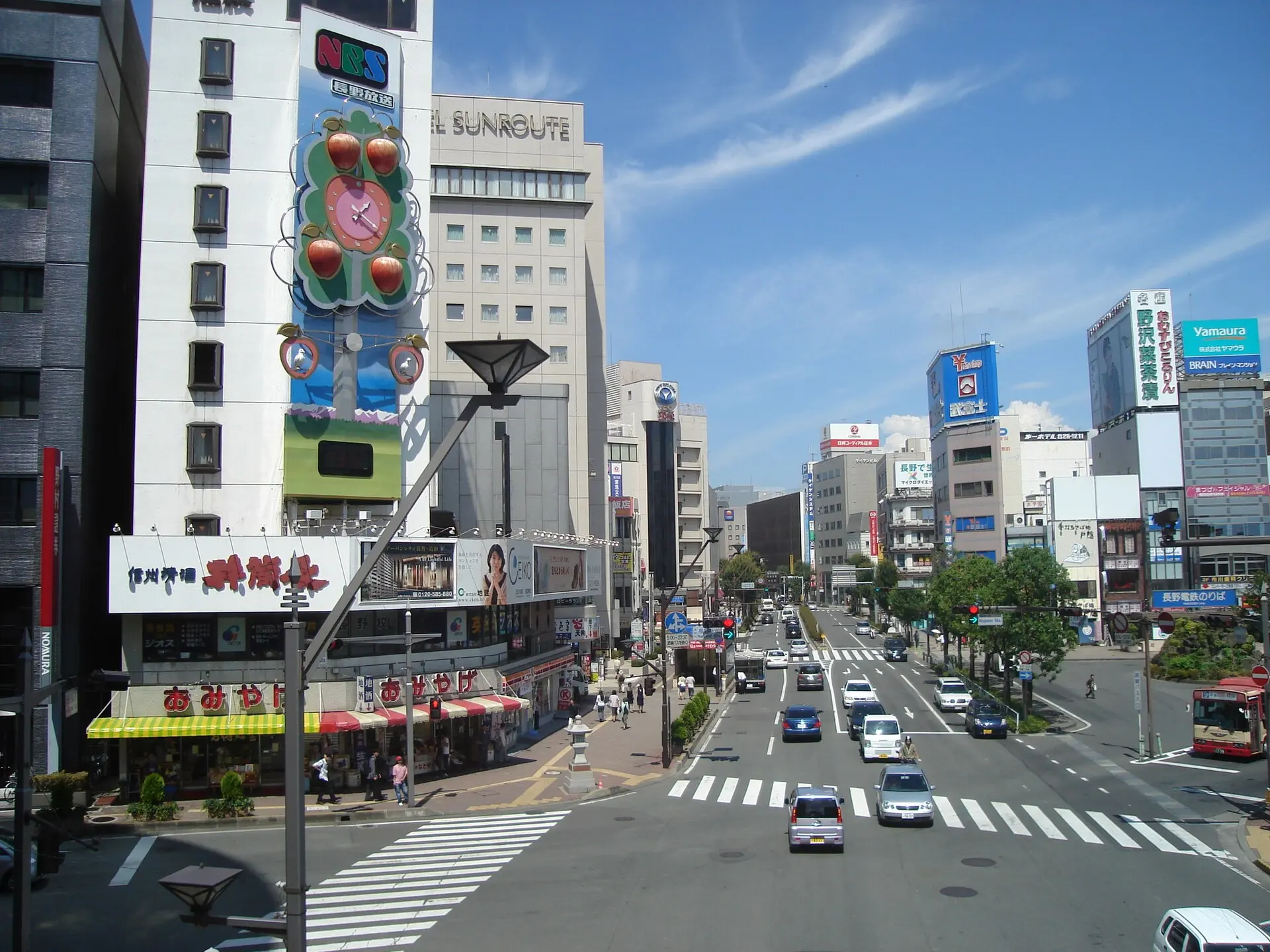
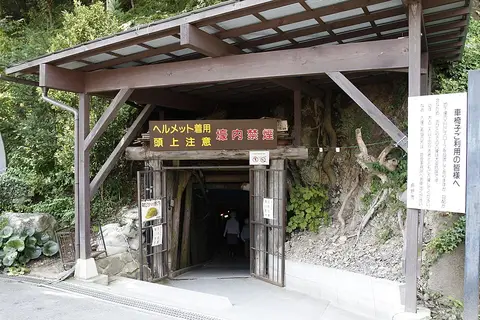
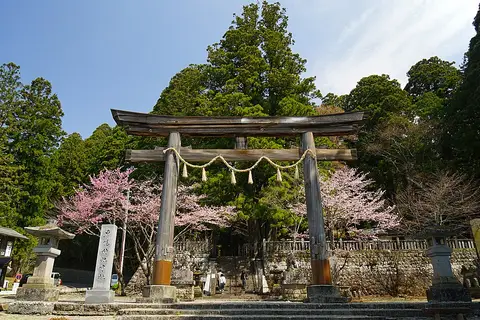
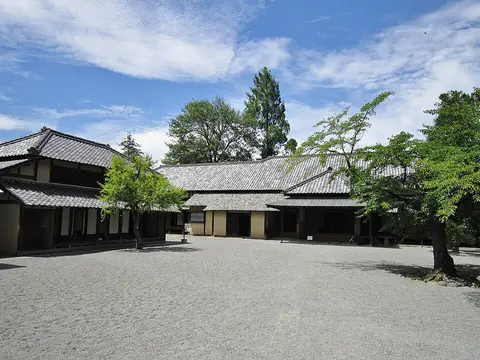
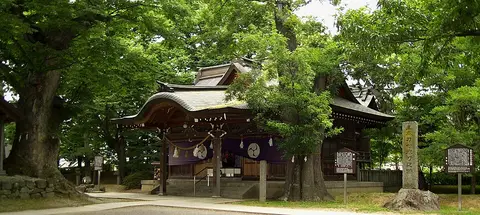
From the station, Chūō-dōri climbs gently uphill to Zenkō-ji, lined with old shops, inns, and small temples. Through the imposing Sanmon Gate you reach the main hall, beneath which lies a pitch-dark passage: if you feel your way along the wall in the dark at the Okaidan and find the key hanging there, you are said to find salvation in the afterlife. Around the temple, shukubō (temple lodgings) offer overnight stays with vegetarian meals and morning prayers. In the south of the city, the castle town of Matsushiro recalls the Sanada family with its samurai houses, and you can also visit part of the underground wartime tunnels there. In Togakushi to the north, an avenue of old cedars leads to a mountain shrine.
Eating in Nagano
Shinshū Prefecture is famous for soba, and Togakushi is one of Japan's best-known buckwheat noodle towns. Oyaki, stuffed dumplings filled with vegetables, mushrooms, or sweet bean paste, are best eaten fresh off the grill. Apples and grapes come from the orchards in the valley. In fall, a detour to Obuse is worthwhile: chestnuts are used in sweets there, and a museum is dedicated to the painter Hokusai, who stayed there several times. Local sake and Shinshū miso round out the cuisine.
Excursions into the Mountains
Nagano lies in a basin surrounded by peaks, and nature begins almost at the city limits. In Togakushi, a forest path runs about two kilometers through an avenue of cedars roughly 400 years old to the upper shrine, and at the village's Ninja Museum you can learn about the local Togakure tradition. The Iizuna plateau offers hiking trails in summer and ski runs in winter. In the Yamanouchi Valley you'll find the onsen villages of Shibu and Yudanaka, with wood-paneled inns and public baths that you hop between in a yukata. Hakuba to the west hosted the ski jumping and downhill events in 1998 and is now popular with international skiers.
Getting Around and Best Time to Visit
With the Hokuriku Shinkansen, Nagano is about 80 to 100 minutes from Tokyo. The private Nagano Dentetsu railway runs to Obuse and Yudanaka, where buses leave for Jigokudani Monkey Park; the macaques bathe in a hot spring mainly in winter. The best time to visit the city and temple is spring and fall; for snow monkeys and ski areas like Hakuba or Shiga Kōgen, it's January and February.