
Nagano Prefecture: The Roof of Japan in the Alps
Travel guide · editorialA vacation in Nagano Prefecture takes you to the mountainous heart of Japan: this is where you'll find the highest peaks of the Japanese Alps, old post roads, and one of the country's most beautiful castles. Nagano hosted the Winter Olympics in 1998, and in summer hikers, cyclists, and hot-spring bathers head for the mountains. Thanks to the high elevations, the air is clear and summers are pleasantly cool.
Landscape and Location
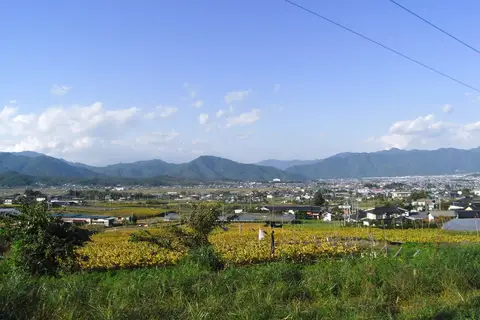
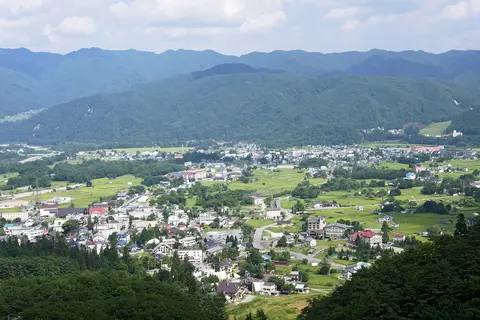
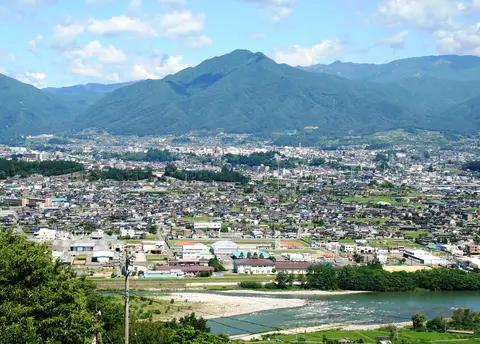
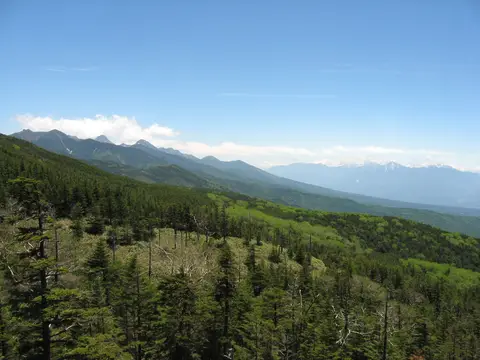
Nagano is one of Japan's largest prefectures and borders eight others, more than any other prefecture. To the west stand the Northern, Central, and Southern Alps, made up of the Hida, Kiso, and Akaishi ranges. In between lie broad basins such as those of Matsumoto and Nagano, the Ina Valley with the Tenryū River, and the Saku Plateau. To the east rises the active volcano Asama, at whose foot Karuizawa lies. The Chikuma River, which is called the Shinano River farther downstream in Niigata, is the longest river in Japan.
Sights in Nagano Prefecture
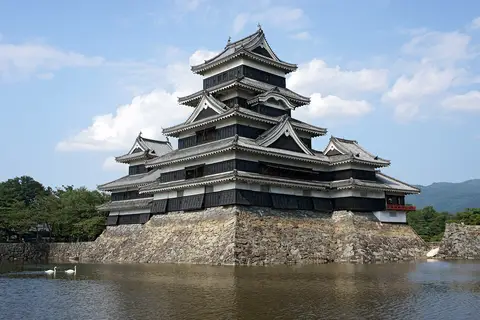
Matsumoto Castle, nicknamed "Crow Castle" for its dark facade, is one of only five castles designated as National Treasures and has an original wooden keep from the late 16th century. In Nagano City, Zenkō-ji draws pilgrims from all over the country; beneath the main hall, you feel your way through a completely dark passage to touch the "key to paradise." At Jigokudani Monkey Park near Yamanouchi, Japanese macaques bathe in hot springs in winter. Kamikōchi, a high valley at about 1,500 meters, is the starting point for hikes to the Hotaka massif and can only be reached by bus or taxi. The Tateyama Kurobe Alpine Route begins in Ōmachi and leads across the Kurobe Dam to Toyama.
Old Post Roads and Towns
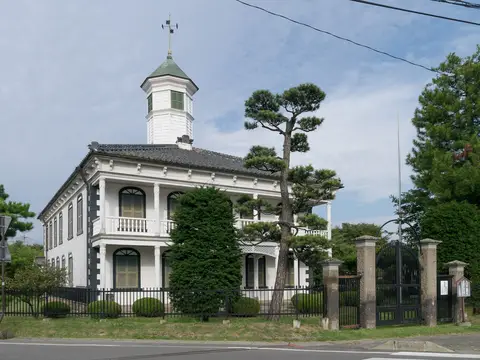
The Nakasendō, the mountain route between Edo and Kyoto, ran through the Kiso Valley. The post towns of Tsumago and Narai are almost completely preserved, with wooden houses, inns, and lanterns; the hiking trail from Tsumago to Magome in Gifu is a classic. Ueda recalls the Sanada samurai clan, whose castle ruins are surrounded by cherry blossoms in spring. Obuse, a small town, is known for its Hokusai museum and chestnut sweets. Karuizawa has been a summer retreat for diplomats and Tokyoites since the 19th century and today offers outlets, churches, and forests. Iida in the south keeps puppet theater traditions alive, while Chino and Suwa lie on Lake Suwa with the four shrines of Suwa Taisha. Besides the castle, Matsumoto also has the Kaichi School, one of Japan's oldest Western-inspired school buildings and a National Treasure, as well as Nawate-dōri, an alley with frog figurines and stalls along the river. The artist Yayoi Kusama comes from the city, and her works are displayed at the municipal art museum.
Winter Sports in Hakuba and Nozawa
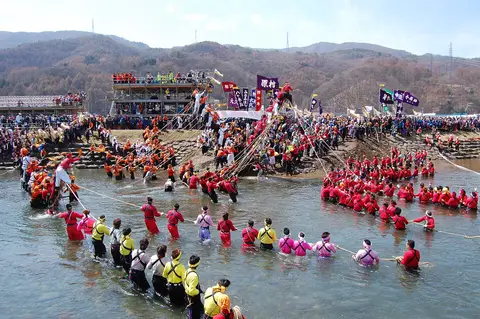
Hakuba is one of Japan's best-known ski areas and was an Olympic venue for downhill and ski jumping. Nozawa Onsen combines slopes with a village full of free public bathhouses, and Shiga Kōgen is one of the country's largest connected ski areas. Thanks to the dry powder snow, many winter sports enthusiasts travel here from Australia and Asia. In January, at Nozawa's Dōsojin fire festival, men defend a wooden shrine, which is ultimately burned.
Food and Drink
Shinshū, the old name for Nagano, is famous for soba made from buckwheat, which thrives in the cool climate; Togakushi has long-established noodle restaurants. Oyaki, dumplings filled with vegetables, are a rural snack. The prefecture is one of Japan's largest apple producers, and the slopes around Shiojiri and Azumino are covered with vineyards. Shinshū miso is found throughout the country, sake and wasabi are made from Alpine meltwater, and wasabi grows in spring water on large fields in Azumino. Basashi, raw horse meat served as sashimi, is available in the Ina Valley.
Getting There and Best Time to Visit
The Hokuriku Shinkansen connects Tokyo with Nagano in just over 80 minutes and also stops at Karuizawa, Saku, and Ueda. To Matsumoto, the Azusa Express runs from Shinjuku, and the Shinano Express from Nagoya. The small Matsumoto Airport has domestic flights. The best time for hiking is July to October, and the fall foliage in Kamikōchi begins in early October. Winter sports enthusiasts come from December to March, when the snow is most reliable.