Discovering Chiba: Monorail, Makuhari, and Shell Mounds
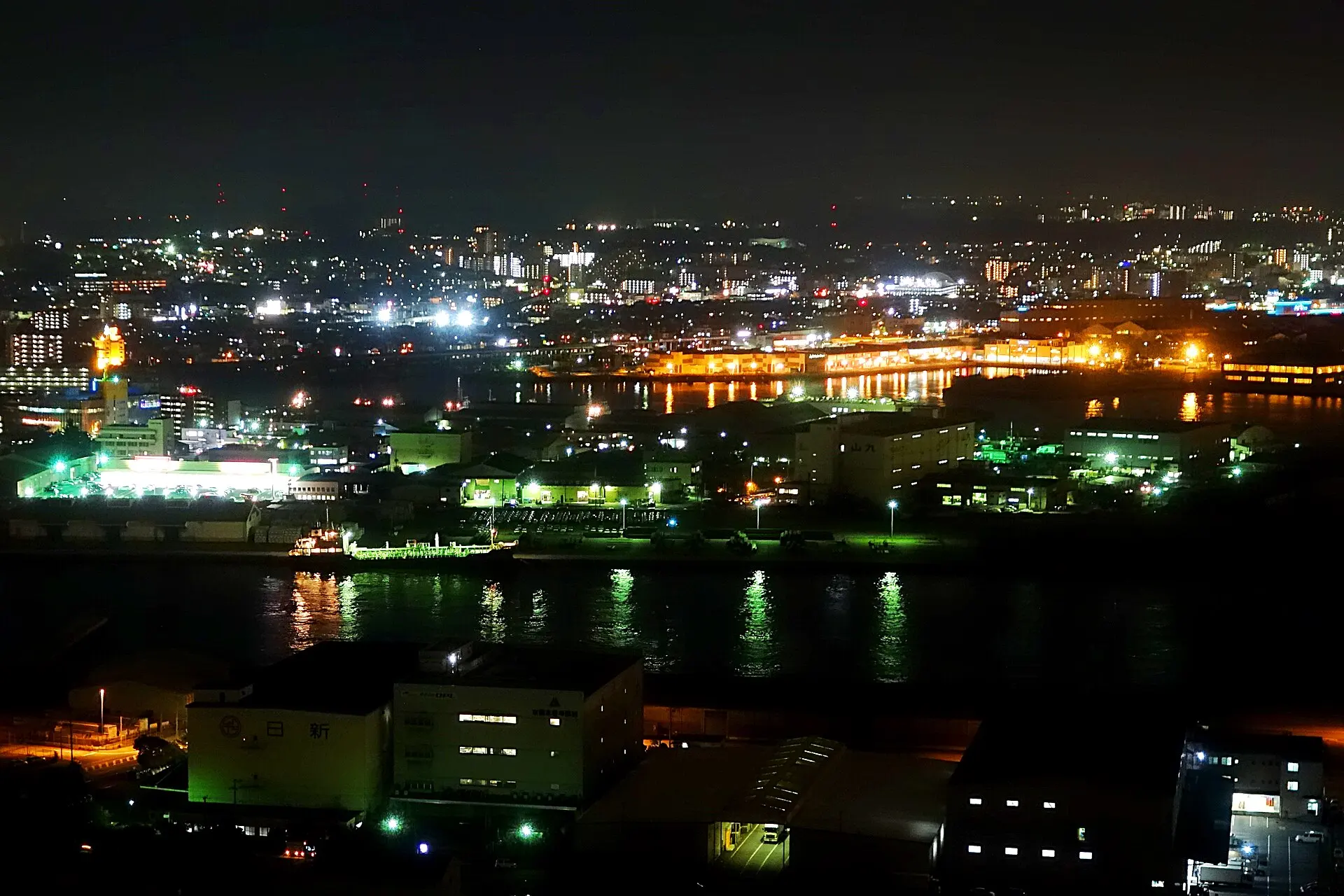
Travel guide · editorialA train glides above the rooftops, not riding on rails but hanging from them – Chiba greets visitors with one of the most unusual modes of transportation in Japan. The prefectural capital on Tokyo Bay lies between the capital and Narita Airport and is well suited for a short trip or a stopover. If you're planning a vacation in Chiba, you'll find trade fairs, beaches, Stone Age discoveries, and a temple dating back to the 8th century.
From Samurai Clan to Convention City
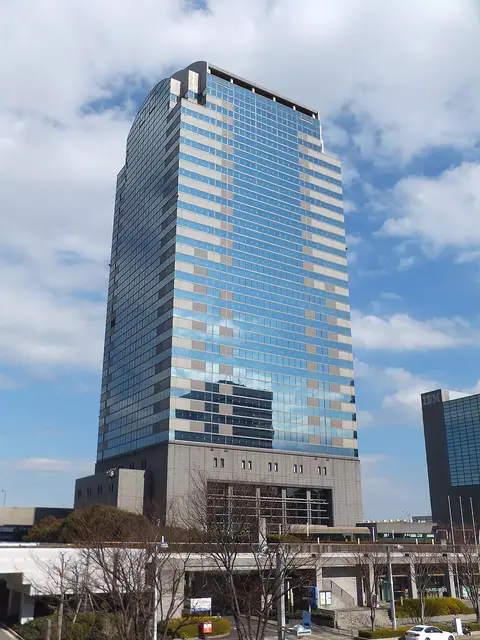
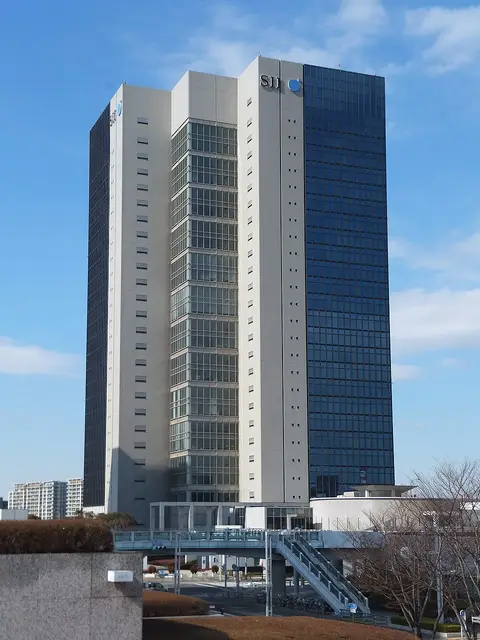
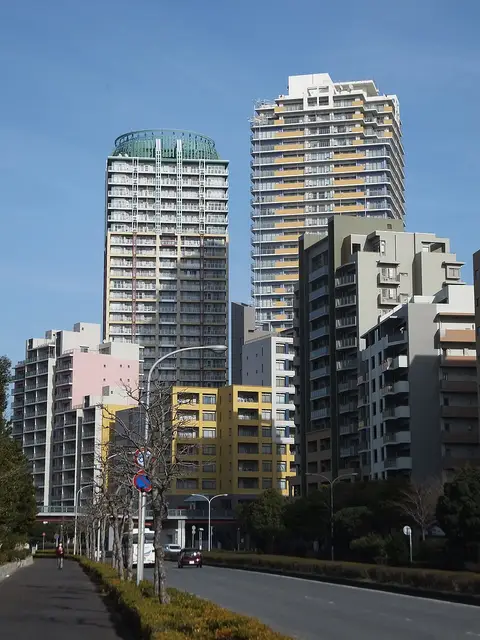
The city owes its name to the Chiba family, a powerful warrior clan that settled here in the 12th century. The area was densely populated much earlier: the Kasori Shell Mound in Wakaba Ward is considered one of the largest in Japan and dates from the Jōmon period, around 4,000 to 5,000 years ago. In the 20th century, Chiba grew into an industrial city with steelworks on the reclaimed coastline, and in 1992 it became a designated city with its own wards. In Mihama Ward, Makuhari emerged as a new business district combining convention facilities, corporate headquarters, and high-rise apartments.
Sights in Chiba
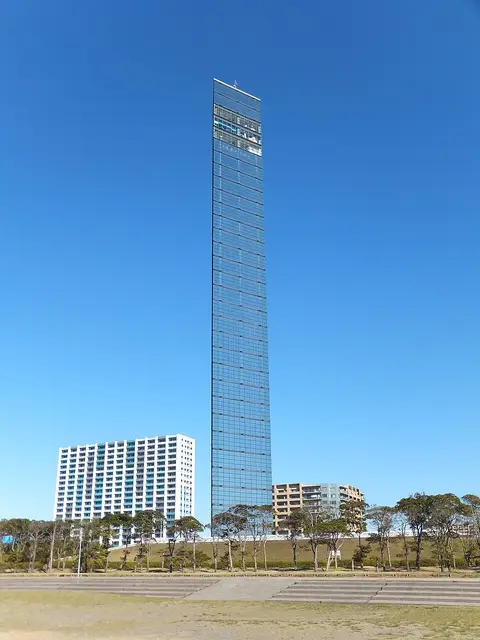
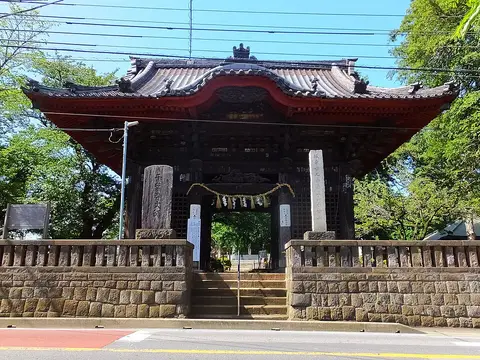
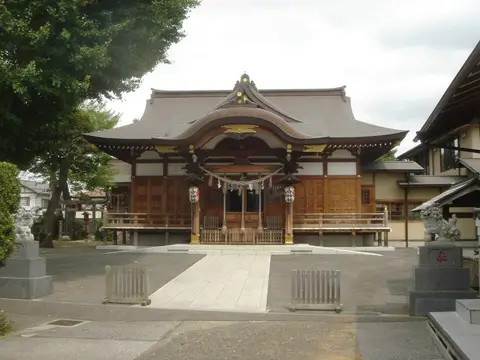
Chiba Port Tower rises above the harbor, a slender, mirrored tower with an observation deck from which you can see Mount Fuji across the bay in clear weather. In the center stands Chiba Shrine, the main shrine of the Myōken faith, with a striking pagoda-style hall. Chiba-dera Temple is traced back to the year 709; a mighty ginkgo tree in front of the hall is a natural monument. In Inohana Park stands a castle built in the 1960s in the historic style, which houses the city museum and tells the story of the Chiba family. At the Kasori Jōmon Museum, you can tour the excavation site and reconstructed pit dwellings.
Museums and Culture
The Hoki Museum in Midori Ward specializes in realist painting and surprises with its bold architecture, which projects out over the hillside. The Chiba City Museum of Art, in a building that encloses a historic bank facade, shows Japanese woodblock prints and contemporary art. At Chiba Zoological Park, the red pandas are a highlight, made famous across the country by a resident who stands upright on two legs. If you're interested in science, visit the Science Museum in the Kibōru complex downtown, which includes a planetarium. In Makuhari, the buildings from the 1990s are a reminder of how Japan once dreamed of a futuristic city on the water; today their promenades are a popular spot for strolls between the convention center, park, and beach.
Makuhari, Beach, and Leisure
In Makuhari, Makuhari Messe hosts some of the largest events in Japan, including the Tokyo Game Show and the Japan Mobility Show. Right on the water is ZOZO Marine Stadium, home of the baseball team Chiba Lotte Marines, known for its stiff sea breeze. The artificial Inage Beach, one of the longest reclaimed beaches in Japan, invites you to stroll and take in sunsets with a view of Mount Fuji.
Eating and Going Out in Chiba
Chiba Prefecture is Japan's most important peanut-growing region, so you'll find peanuts everywhere, in sweets, sauces, and as souvenirs. Seafood such as sardines and clams comes from the coastal towns, and namerō, finely chopped raw fish with miso and herbs, is a fishermen's specialty of the Bōsō Peninsula. Restaurants in Chiba are concentrated around Chiba and Chūō stations and in the alleys around Fujimi, where izakaya and ramen shops stay open late. Makuhari also has large shopping centers such as Aeon Mall Makuhari Shintoshin.
Getting Around Chiba and Day Trips
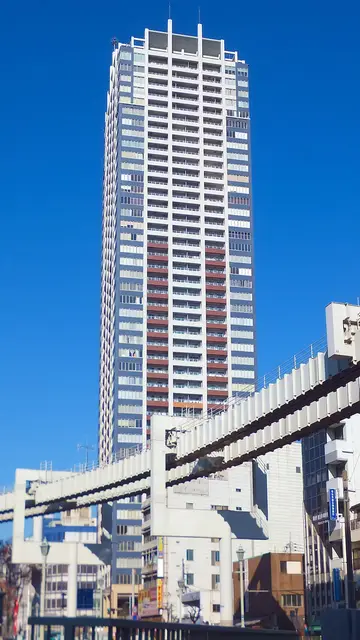
The Chiba Urban Monorail is considered the longest suspended monorail in the world and runs from Chiba Station to the residential area of Chishirodai. JR lines take you to Tokyo in about 40 minutes, and the Keisei line and JR connect to Narita Airport. There are direct buses to Haneda. The best times to visit are spring and fall; in summer, the beach is the draw. Worthwhile day trips include Naritasan Shinshō-ji Temple, Sawara with its old canals and merchant houses, and the Bōsō Peninsula with its fishing villages and Mount Nokogiri.