Discover Funabashi: Bay, Horse Racing, and Temples
Travel guide · editorialFor many Tokyoites, Funabashi is just a commuter station on the way to Chiba. But if you get off the train during a trip to the capital region, you'll find a major Nichiren temple, one of Japan's most famous horse racing tracks, and tidal flats on Tokyo Bay where families dig for clams.
From Fishing Village to Commuter City
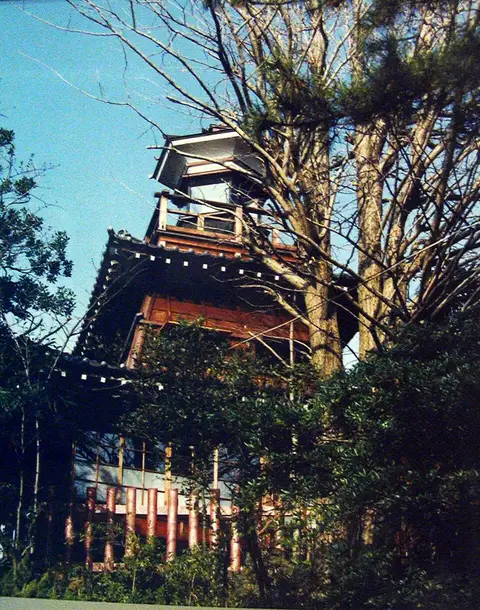
The name Funabashi means "boat bridge" and is said to go back to a bridge of lashed-together boats that once spanned the Ebi River. In the Edo period, the town was a post station on the roads to Narita and Chiba as well as a fishing port whose catches ended up in the markets of Edo. The Funabashi Daijingū Shrine, whose Meiji-era lighthouse recalls the town's seafaring past, remains an important local shrine to this day. As rail lines expanded, Funabashi grew after the war into one of the most populous cities in Chiba.
Sights in Funabashi
In the Nakayama district stands Hokekyō-ji, one of the head temples of the Nichiren school, founded in the 13th century. A five-story pagoda and the imposing main hall sit in a quiet temple precinct with small shops along the approach. A few minutes away is Nakayama Racecourse, where the Arima Kinen, one of Japan's most closely watched horse races, is held in December. Families are drawn to Andersen Park, a sprawling park with a Danish-inspired windmill, flower fields, and play areas. On the bay, Sanbanze Beach Park offers clam digging at low tide in spring and early summer, along with wide views across the water.
Eating and Shopping
Funabashi is known for its pears, which are sold at roadside stands in late summer. The unofficial pear character Funassyi, a hyperactive yellow mascot, made the city famous across the country. The bay yields clams and kohada, a small fish used for sushi. Around Funabashi and Nishi-Funabashi stations, you'll find izakaya, ramen shops, and bar districts that are lively in the evening. LaLaport Tokyo-Bay is one of the largest shopping malls in the region and is a destination in its own right on weekends.
Neighborhoods and Daily Life
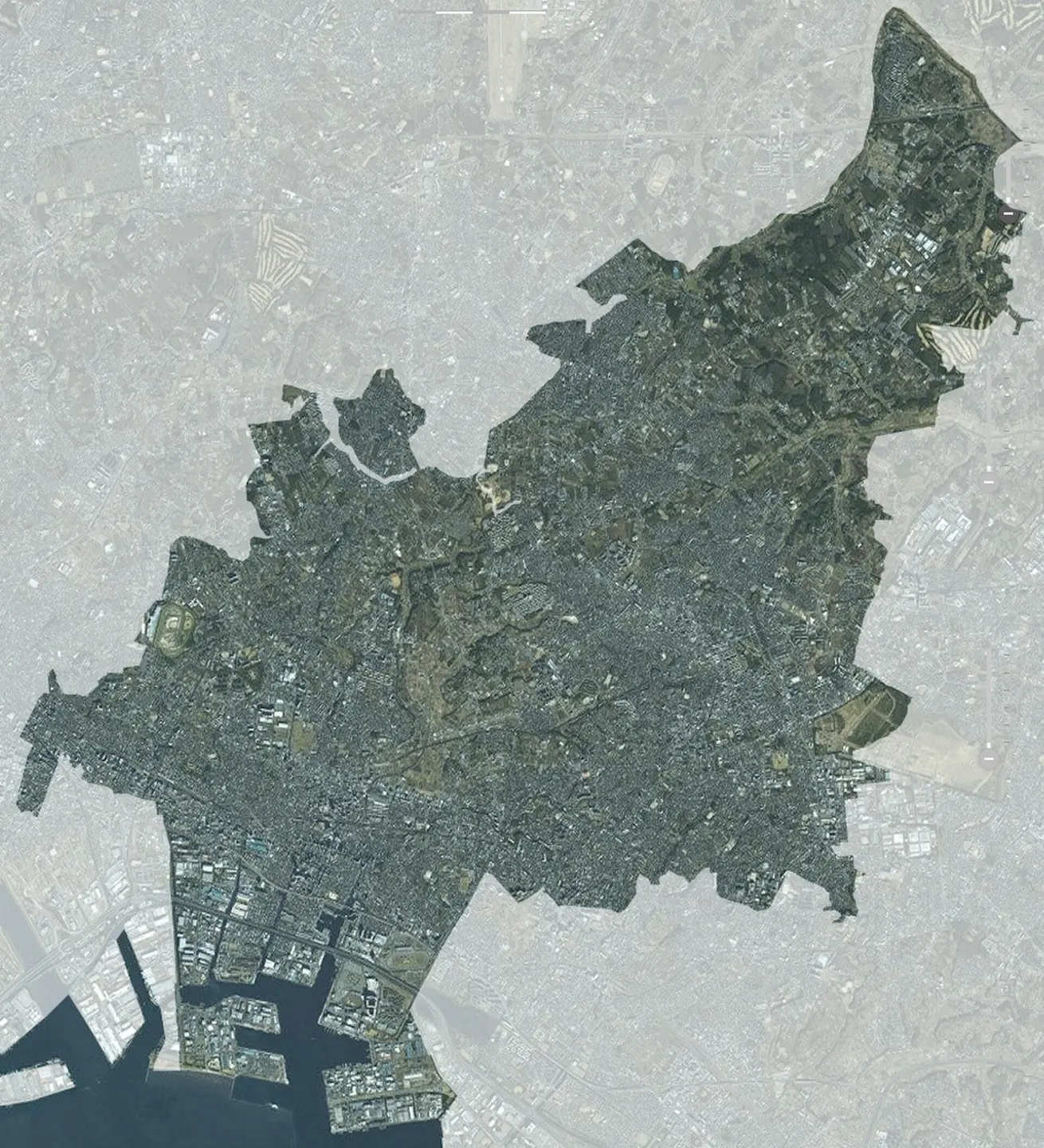
With its department stores, arcades, and side streets, Funabashi Station is the heart of the city. To the north, things get quieter: in residential areas like Narashinodai and Takanedai, single-family homes, vegetable fields, and small shrines define the scene. Nishi-Funabashi is an important transfer hub with its own shopping streets and bar alleys. South of the rail line, the city extends to the reclaimed harbor area, home to warehouses, sports facilities, and the IKEA store. In October, a large autumn festival takes place at Funabashi Daijingū, with portable shrines carried through the streets. In summer, it's also worth taking a walk through the orchards and fields in the north of the city, where farmers sell pears and vegetables directly at the farm.
Getting Around and Best Time to Visit
Funabashi is very well connected: the JR Sōbu Line reaches Tokyo in about 25 minutes, and you can also take the Keisei Line toward Narita, the Tōbu Urban Park Line, and the Tōzai subway line as far as Nishi-Funabashi. Both Tokyo airports are about an hour away. The best time to visit is spring, when the flowers bloom in Andersen Park and the clam season begins, as well as autumn. If you want to experience the racecourse, plan around a race day.