Chiba Prefecture: The Bōsō Peninsula and Gateway to Tokyo
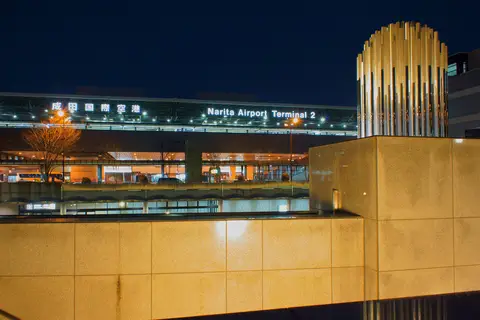
Travel guide · editorialFor many travelers, a trip to Japan begins in Chiba, since this is where you land at Narita Airport – yet hardly anyone deliberately plans a vacation in Chiba Prefecture. That's a shame, because the Bōsō Peninsula east of Tokyo offers surf beaches, flower fields, mountain temples and fishing harbors, just an hour by train from the capital. Add to that historic merchant towns and one of the most important temples in the country.
Location and Landscape
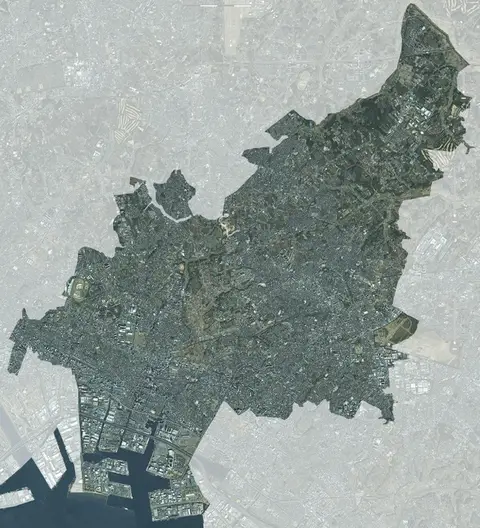
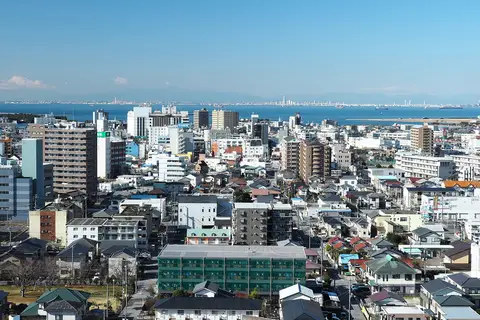
Chiba takes up almost the entire Bōsō Peninsula, which is washed by Tokyo Bay on the west and the open Pacific on the east. The north is flat and has grown together with the Greater Tokyo area; Funabashi, Kashiwa, Matsudo, Ichikawa and Urayasu are densely populated commuter cities. Farther south the land becomes hillier, with rice terraces, bamboo forests and gorges such as Yōrō. The Kujūkuri Coast in the east is a sandy beach about 60 kilometers long, where Pacific swells draw surfers. Thanks to a warm ocean current, flowers are already blooming at the southern tip in January.
Sights in Chiba Prefecture
The temple Naritasan Shinshō-ji was founded in the 10th century and draws millions of visitors a year, especially around New Year. The Omotesandō street leading to it is lined with old wooden houses and eel restaurants – a good reason to use a long layover in Narita for a side trip. On Mount Nokogiri, the "Saw Mountain," old quarries were turned into a temple complex with a giant Buddha carved into the rock and a viewing platform over the bay called the "Look into Hell." Sawara on the Tone River preserves Edo-period warehouses and merchant houses along a canal and is therefore known as "Little Edo." Urayasu is home to Tokyo Disneyland and DisneySea, among the most visited theme parks in Asia.
Cities and Towns
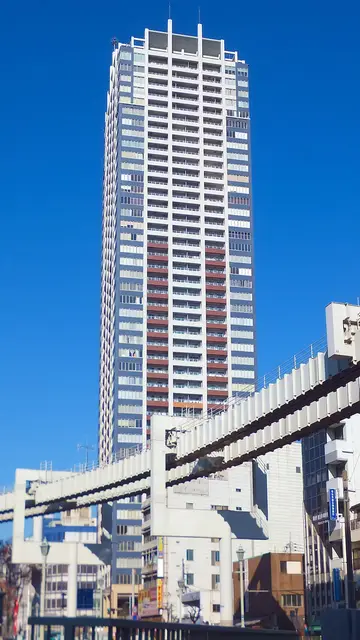
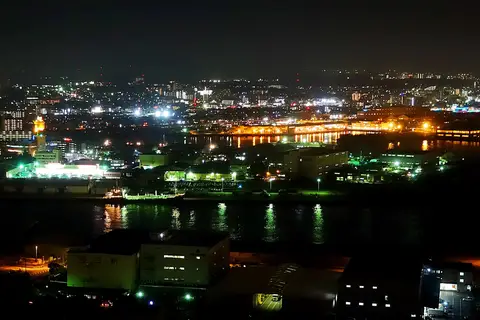
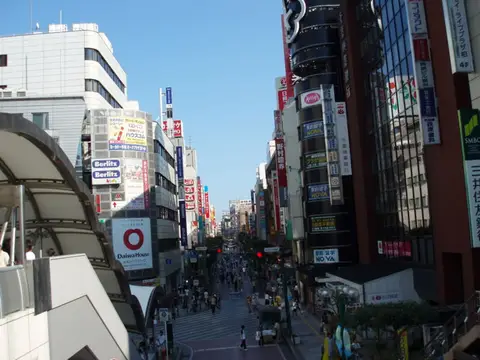
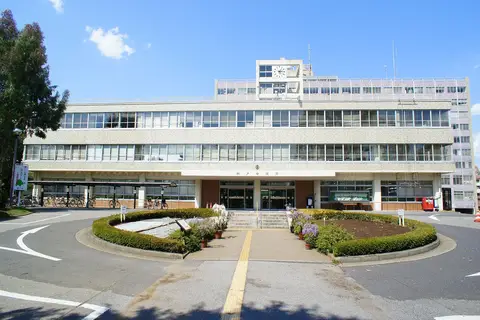
The prefectural capital, Chiba, is above all an administrative and port city, but it has a curious attraction in its suspended monorail, one of the longest hanging monorails in the world. The Kasori shell mounds from the Jōmon period are among the largest in Japan. Funabashi and Ichikawa have lively shopping streets, and Kashiwa is considered a student town with a live music scene. In Ichihara, the nostalgic Kominato Railway runs inland through rapeseed fields and cherry-lined avenues. Kamogawa in the south is known for its marine aquarium and the Ōyama Senmaida rice terraces. Matsudo has made a name for itself with well-known tsukemen shops, and Ichikawa is home to Nakayama Hokekyō-ji, an important sanctuary of the Nichiren school. In Urayasu, the old town of Motomachi with its fishermen's houses is a reminder that shellfish fishermen lived here before the theme parks were built. Near Narita, the open-air museum Bōsō no Mura displays historic houses and traditional crafts.
Food and Drink
Chiba is one of the most important agricultural regions supplying Greater Tokyo. Peanuts from Yachimata are famous throughout Japan, as are pears from Ichikawa and Kamagaya. Sardines, mackerel and bonito come ashore at the port of Chōshi and are served directly in market restaurants; the city is also a center of soy sauce production, with plants run by long-established breweries. On the south coast, you eat namerō, finely chopped raw fish with miso and ginger, a fishermen's dish of the Bōsō Peninsula. In Narita, unagi, grilled eel, is the classic specialty.
Nature and Activities
Surfers gather in Ichinomiya, where the first Olympic surfing competition was held at the 2021 Olympic Games. In the south, cycling tours along the coast of Tateyama are worthwhile, where on clear days you can see Mount Fuji across the bay. The Aqua-Line, a combination of an underwater tunnel and a bridge, connects Kisarazu with Kawasaki; in the middle lies the rest-stop island of Umihotaru. Hikers will find waterfalls in the Yōrō Valley and colorful maples in autumn.
Getting There and Best Time to Visit
Narita is well connected to Tokyo by the Narita Express and the Skyliner; from Tokyo, trains run to Chiba, Chōshi and onto the Bōsō Peninsula, and buses use the Aqua-Line. A rental car is recommended for the south coast. The best times to visit are February and March for the early flower bloom in the south, April for cherry blossoms, and September through November for quiet beaches and autumn foliage. In summer, the beach resorts are busy, and typhoon-generated swells attract experienced surfers.