
Tochigi Prefecture: Nikkō, Nasu and Gyōza
Travel guide · editorialA vacation in Tochigi Prefecture takes you to one of Japan's most magnificent shrines and into a mountain landscape of lakes, waterfalls and hot springs. Nikkō is the best-known destination, but the gyōza city of Utsunomiya, the Nasu highlands and the old merchant town of Tochigi have their charms too. From Tokyo, you can be there in just under two hours.
Landscape and Location
Tochigi is a landlocked prefecture in the northern Kantō region. The south, around Oyama, Ashikaga, Sano and Tochigi, is part of the plain, with rice fields and industry. In the north and west, volcanoes and high plateaus rise up: Mount Nantai above Lake Chūzenji, the Nasu massif with its steaming craters, and the wild valleys of Kinugawa and Shiobara. Nikkō National Park is one of Japan's oldest and extends into the neighboring prefectures.
Sights in Nikkō
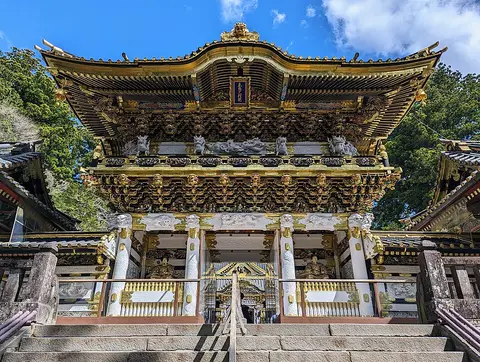
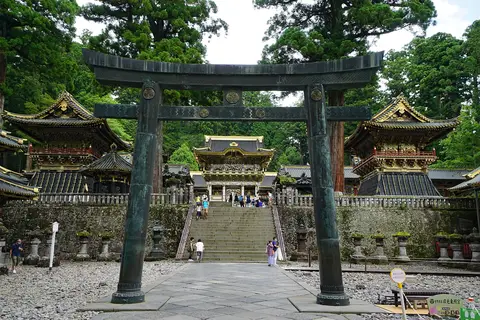
Tōshōgū is the mausoleum of Tokugawa Ieyasu, the founder of the shogunate, and it brims with carved, gilded and brightly painted details. Famous highlights include the three monkeys who see, hear and speak no evil, and the sleeping cat above a passageway. The Yōmeimon Gate is said to be so richly decorated that you could look at it all day without taking it all in. Together with Futarasan Shrine and Rinnō-ji Temple, the complex forms a World Heritage Site. At the entrance to the town, the red Shinkyō Bridge spans the Daiya River. The winding Irohazaka Road leads up to Lake Chūzenji and Kegon Falls, which plunge nearly 100 meters. Western diplomats once built summer villas here, and some of them can be visited as museums.
Tochigi Destinations Beyond Nikkō
Kinugawa Onsen is a spa town with hotels lining a gorge; nearby, Edo Wonderland presents a re-created Edo-period village with ninja shows. Nasu and Nasushiobara are summer retreats with pastures, art museums and the Imperial summer villa; Shiobara Onsen lies in a deep valley with suspension bridges. Ashikaga is home to Ashikaga Gakkō, considered Japan's oldest school, as well as Ashikaga Flower Park, where in spring a giant wisteria more than 150 years old forms a canopy of purple clusters. The city of Tochigi has warehouses along the Uzuma Canal and became known as "Little Edo"; Mashiko is a pottery village with markets in spring and fall.
Food and Drink
Utsunomiya is Japan's gyōza capital, with around 200 restaurants serving the dumplings pan-fried, steamed or boiled; in front of the station there is even a statue shaped like a gyōza. Nikkō is known for yuba, the skin that forms on soy milk and is used in temple cuisine, as well as for mountain water that makes soba and shaved ice especially good. Tochigi grows more strawberries than any other prefecture; the Tochiotome variety is famous across the country. Nasu supplies dairy products and cheese, and kanpyō, dried gourd strips, is a typical ingredient in sushi rolls.
Nature and Activities
On the Senjōgahara marshland above Lake Chūzenji, boardwalks lead through meadows and birch forests. Yudaki Falls and Yumoto Onsen on Lake Yunoko lie at the end of this route. In Nasu, you can hike up Chausu-dake, whose summit steams, or take the ropeway to just below the crater. In winter, ski areas such as Nasu Onsen Family and Hunter Mountain Shiobara beckon. A boat ride down the Kinugawa River in wooden boats is a popular summer activity. Near Utsunomiya lies the Ōya quarry, a huge underground hall where building stone was once mined and which is now used for concerts and exhibitions; next to it stands a Buddha carved into the rock.
Getting There and Best Time to Visit
The Tōhoku Shinkansen takes about 50 minutes from Tokyo to Utsunomiya and also stops at Oyama and Nasushiobara. To reach Nikkō and Kinugawa, take the Tōbu Spacia express from Asakusa for an easy trip. Tochigi has no airport of its own. The best times to visit are May and June, with fresh greenery and azaleas, and October and November, when the foliage in Nikkō turns spectacular colors; the Irohazaka Road is very crowded then, though. The wisteria in Ashikaga blooms from late April to mid-May.