Discover Nikkō: Tōshō-gū, Waterfalls, and Mountain Lakes
Travel guide · editorial"Never say 'magnificent' until you have seen Nikkō," goes an old Japanese proverb. A trip to Nikkō takes you to an overwhelmingly ornate mausoleum that gleams in gold and lacquer, along centuries-old avenues of cedars, and up into a highland of lakes, waterfalls, and hot springs.
Tōshō-gū and the World Heritage Site
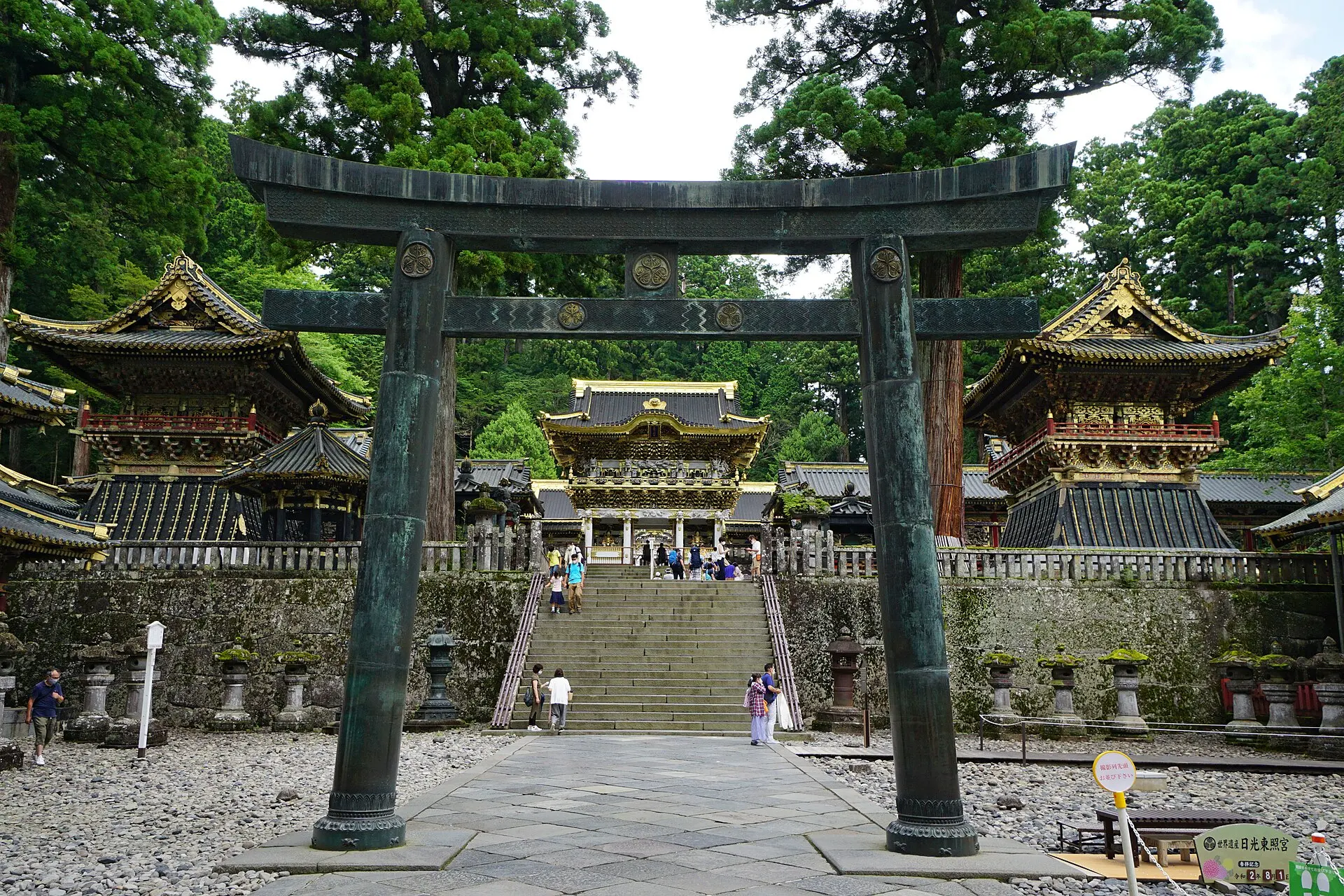
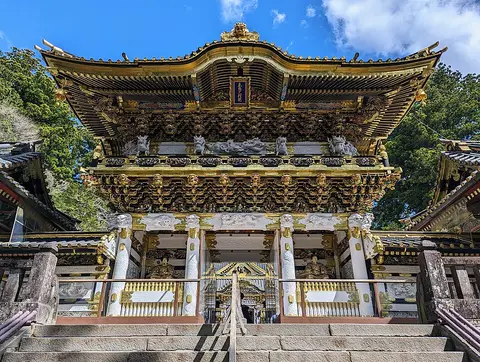
In 1617, Tokugawa Ieyasu, the founder of the shogunate, was laid to rest here, and his grandson Iemitsu had the Tōshō-gū shrine expanded into a lavish complex on which thousands of craftsmen worked. The Yōmeimon Gate is decorated with more than 500 carved figures, and it is also known as the gate you could stand in front of all day. On a stable building sit the famous three monkeys who see no evil, hear no evil, and speak no evil, and above a passageway is the sleeping cat, a masterpiece of woodcarving. Together with the Rinnō-ji temple and the Futarasan shrine, Tōshō-gū has formed the UNESCO World Heritage Site of the Shrines and Temples of Nikkō since 1999. At the entrance, the red Shinkyō Bridge spans the Daiya River.
Sights in Nikkō
The Kanmangafuchi Gorge offers a quiet counterpoint, with a row of stone statues wearing red caps; according to legend, you will never count the same number twice. The winding Irohazaka road, with its 48 hairpin turns, climbs to Lake Chūzenji at more than 1,200 meters (about 3,900 feet). There, Kegon Falls plunges 97 meters (318 feet); an elevator takes visitors to a platform at its base. On the lakeshore, the former summer residences of foreign embassies recall the era when diplomats fled the heat of Tokyo here. Farther up lie the Senjōgahara marshland with its boardwalks and, finally, the hot-spring town of Yumoto.
Eating in Nikkō
The specialty is yuba, the delicate skin that forms when soy milk is heated. In Nikkō it is served thicker and rolled, fresh with soy sauce, deep-fried, or in broth. It is accompanied by soba made from local buckwheat, prepared with the clear water from the mountains. Popular souvenirs include yōkan made from sweet beans and pickles wrapped in shiso. In Kinugawa, which is also part of the city, large hotels serve lavish buffets.
Kinugawa and Theme Parks
The Kinugawa hot-spring area along a rocky gorge is one of the best known in the Kantō region, and boat rides take you through the gorge. Nearby, Edo Wonderland presents a re-created Edo-period town with ninja shows, while Tōbu World Square reproduces famous buildings from around the world at 1:25 scale.
Getting There and Best Time to Visit
On the Tōbu Spacia X express train, you can reach Nikkō from Asakusa in just under two hours, or take JR via Utsunomiya. The Japanese Cedar Avenue along the old roads is considered the longest tree-lined avenue in the world. The best time to visit is from mid-October to early November, when the foliage changes color from the top down, and in the green early summer, when azaleas bloom at Lake Chūzenji. In winter it is very cold at higher elevations, but the shrines under snow are especially atmospheric and much emptier. If you head to Tōshō-gū early in the morning, you will experience the grounds before the tour buses arrive and hear only the rustling of the cedars.