
Okayama Prefecture: Land of Sunshine on the Inland Sea
Travel guide · editorialOkayama likes to call itself the "Land of Sunshine," and with good reason: hardly any region in Japan sees so few rainy days. A vacation in Okayama Prefecture combines one of the country's three great landscape gardens, the canal town of Kurashiki, and islands in the Inland Sea that have become a home for contemporary art. It also has a reputation as Japan's fruit orchard, especially for its peaches and grapes.
Landscape and Location
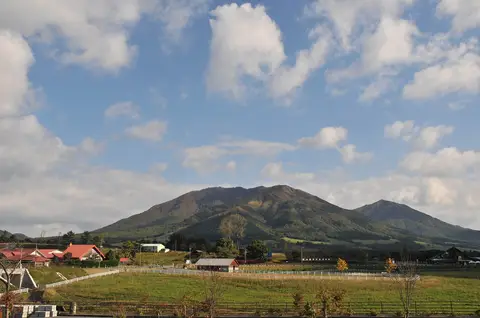
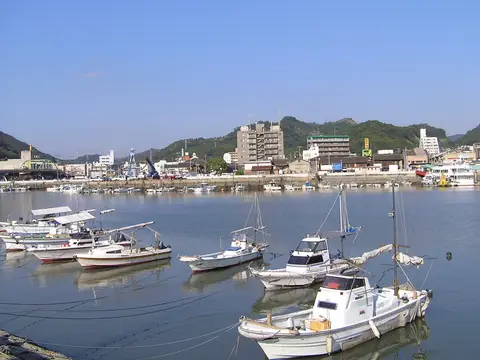
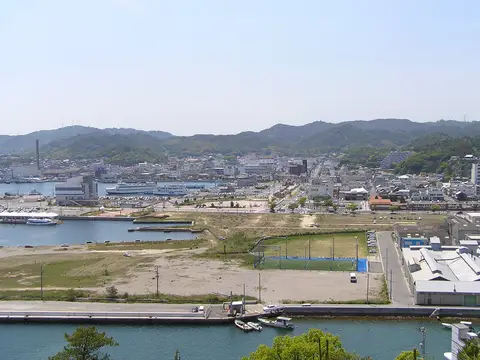
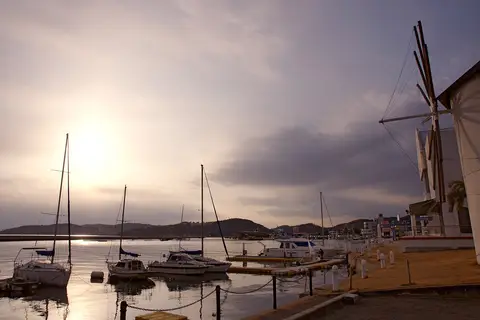
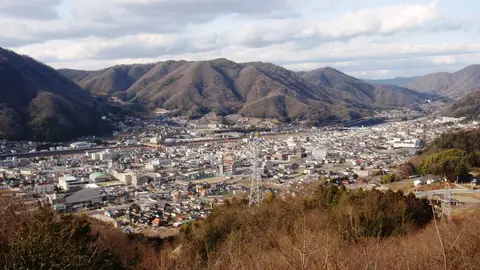
The prefecture lies in the eastern part of the Chūgoku region, between the Seto Inland Sea to the south and the Chūgoku Mountains along the border with Tottori. Three rivers – the Yoshii, Asahi, and Takahashi – cross the land and form fertile plains in the south. In the north, around Tsuyama and Maniwa, lies the Hiruzen highland with pastures and ski areas. On the coast, the area around Kasaoka, Tamano, and Setouchi belongs to the Inland Sea's island world, which you can reach by ferry from Okayama. The Seto-Ōhashi Bridges connect the prefecture with Shikoku.
Sights in Okayama Prefecture
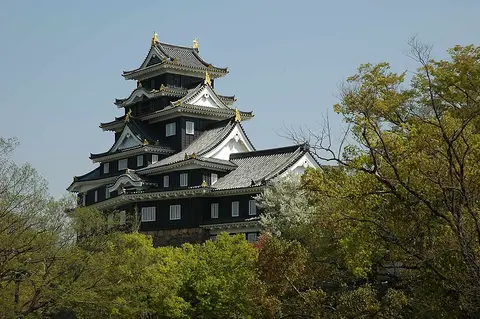
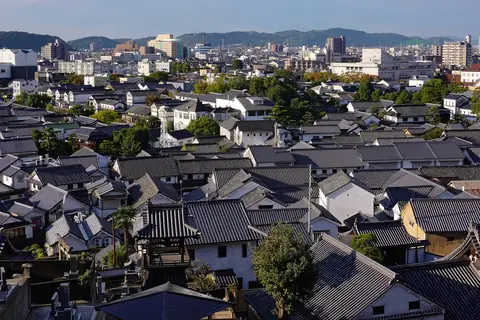
Kōraku-en was laid out around 1700 by the Ikeda lords and is one of Japan's three great gardens. It consists of broad lawns, ponds, an artificial hill, and a tea field; in the background rises the black Okayama Castle, the "Crow Castle," which was rebuilt after the war. In Kurashiki, white warehouses with black tile patterns line a canal fringed with willows. In 1930 the Ōhara Museum of Art became the first museum of Western art in Japan, and it displays works by El Greco, Monet, and Gauguin. Bitchū Matsuyama Castle near Takahashi is the highest surviving original castle in Japan and seems to float above a sea of clouds on autumn mornings.
Cities and Towns
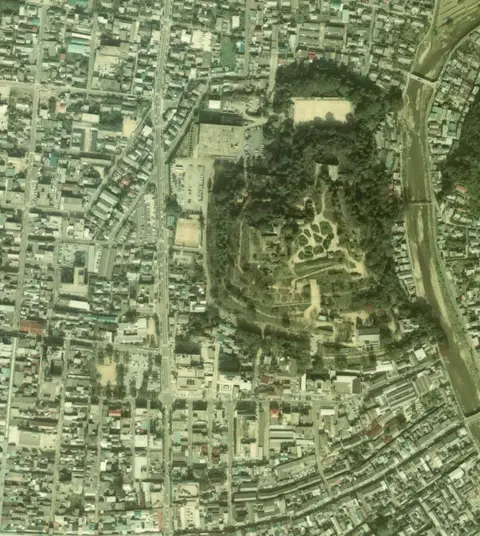
Okayama City is tied to the legend of Momotarō, the Peach Boy who set out against demons with a dog, a monkey, and a pheasant; his statue stands in front of the train station. West of the city, a cycling path leads through the Kibi area, with its ancient burial mounds and the Kibitsu Shrine, whose covered corridor is 360 meters long. Besides its old town, Kurashiki has the Kojima district, considered the center of Japanese jeans production. Tsuyama has a castle ruin surrounded by thousands of cherry trees, and Maniwa has the hot spring village of Yubara with an open-air bath beneath a dam. Bizen is known for unglazed pottery that takes on its color during long wood firings; the village of Inbe has numerous potteries. Maniwa also includes the Hiruzen highland, with Jersey cows, cycling routes, and views of the Daisen mountains. In Osafune, now part of Setouchi, a sword museum shows that some of Japan's finest blades were forged here over the centuries.
Islands and Art
From Uno in Tamano, ferries run to Naoshima, which belongs to Kagawa but is, for many visitors, the reason to come to Okayama. There and on the neighboring islands of Teshima and Inujima, you'll find museums by Tadao Andō, Yayoi Kusama's yellow pumpkin, and installations from the Setouchi Triennale. Inujima belongs to Okayama and hosts an art project in a former copper refinery. Ushimado, on the coast of Setouchi, is marketed as Japan's Aegean village because of its olive groves.
Food and Drink
White peaches from Okayama rank among the most expensive fruits in Japan and are sold individually wrapped in paper in summer. Muscat of Alexandria grapes and Pione grapes are further specialties, which you'll find served as parfaits in cafés. Kibi dango, small rice cakes, are the souvenir tied to the Momotarō story. Barazushi is a colorfully garnished sushi with seafood, and demi-katsudon is a cutlet served with demi-glace sauce. Hiruzen produces Jersey milk, and on the coast you'll find mamakari, small pickled sardines.
Getting There and Best Time to Visit
Okayama is an important hub on the Sanyō Shinkansen, about 45 minutes from Osaka; trains to Shikoku and to Izumo branch off here. Kurashiki is just 15 minutes to the west. Okayama Airport has domestic flights and connections to Seoul, Shanghai, and Taipei. The best times to visit are spring, with cherry blossoms at Kōraku-en and Tsuyama Castle, and autumn, with the sea of clouds over Bitchū Matsuyama Castle. Peaches are in season from July to August, grapes through October.