
Hokkaido: Japan's Wild North
Travel guide · editorialA vacation in Hokkaido Prefecture feels like a trip to a different Japan: wide-open landscapes, volcanoes, dairy farms, and winters with snow piled meters high. Japan's northernmost main island makes up a good fifth of the country's land area but is home to only about four percent of its population. If you're looking for nature, seafood, and hot springs, you'll find plenty of room here.
Landscapes of Volcanoes and Drift Ice
Hokkaido is shaped by the Daisetsuzan mountain range at its center, Japan's largest national park, home to brown bears, foxes, and pikas. In the east you'll find the Kushiro wetlands, a breeding ground of the red-crowned crane, and the Shiretoko Peninsula, a UNESCO World Heritage Site since 2005. On the Sea of Okhotsk, pack ice drifts all the way to the coast near Abashiri and Mombetsu in February. In the southwest lie the caldera lakes Shikotsu and Tōya, surrounded by active volcanoes such as Mount Usu. The climate is cooler than in the rest of Japan; the rainy season and muggy summer heat are largely absent.
Cities: Sapporo, Hakodate, and Otaru
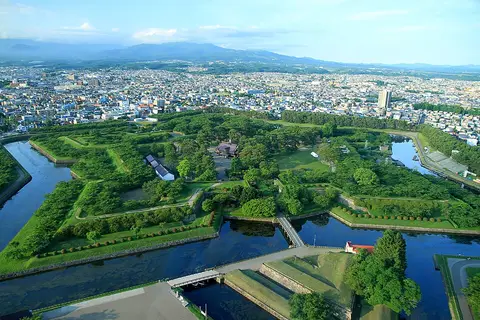
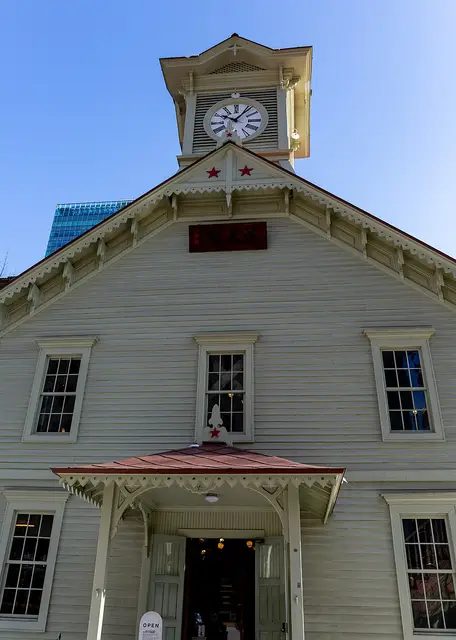
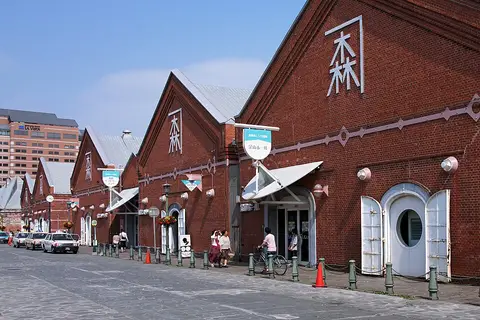
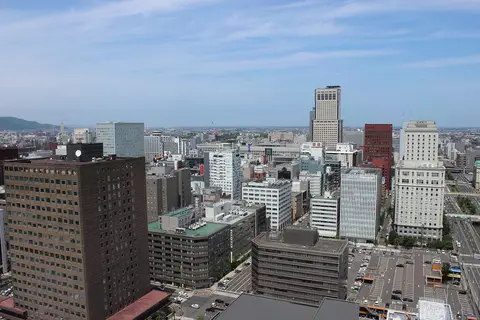
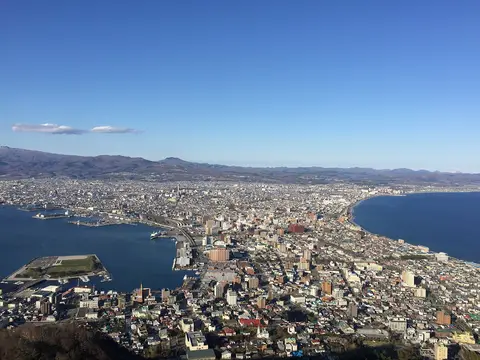
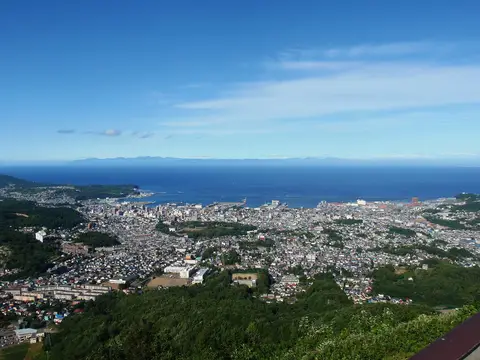
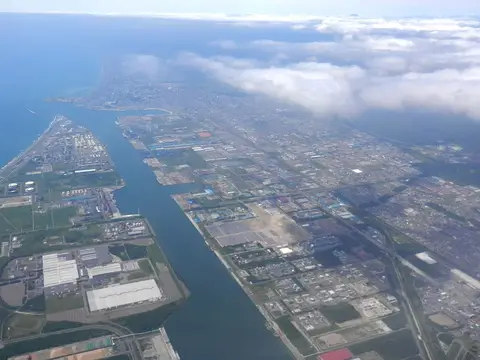
Sapporo was laid out in a planned grid pattern modeled on American cities only in the 19th century. Ōdōri Park runs through the city like a green ribbon, while the wooden Clock Tower and the red-brick Former Hokkaido Government Office recall the pioneer era. The Sapporo Brewery, with its museum and beer garden, is also well known. Hakodate in the south was one of the first ports opened to foreign trade; from Mount Hakodate at night you get one of the most famous city views in Japan, and the star-shaped Goryōkaku Fortress tells the story of the end of the samurai era. Otaru draws visitors with its canal, stone warehouses, and glassblowing studios. Asahikawa, Obihiro, Kushiro, Tomakomai, and Chitose are starting points for trips into the island's interior. Farther east, Kushiro is known for its fish market and the sunsets over the harbor, and Obihiro for Ban'ei races, in which heavy draft horses pull sleds, and for the cheese makers of the Tokachi Plain. Tomakomai is an industrial and ferry port with connections to Honshū, and Chitose is home to the airport, which even has a movie theater and an onsen.
Sights in Hokkaido Prefecture
In July, lavender blooms in Furano and Biei; gentle hills covered in flower fields attract photographers, as does the bluish shimmering Shirogane Blue Pond. Asahiyama Zoo in Asahikawa is known for its winter penguin parade. Noboribetsu offers one of the most impressive onsen landscapes with the steaming Hell Valley, Jigokudani. In Shiretoko, boat tours run along steep coastlines with waterfalls, and in Akan-Mashū National Park, crater lakes of exceptional clarity mirror the sky. At the Upopoy National Ainu Museum on Lake Poroto near Shiraoi, you can learn about the culture of the Ainu, Hokkaido's indigenous people, whose place names still shape the map today.
Winter and Snow
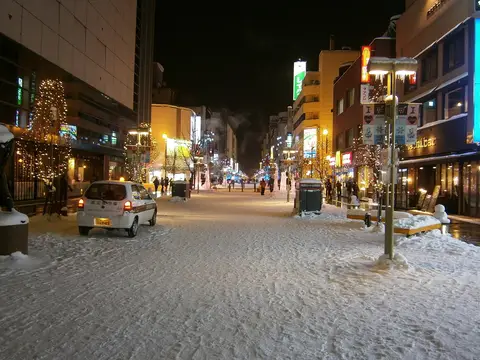
Hokkaido is among the snowiest regions in the world. Niseko is internationally known for its dry powder snow, as are Furano, Rusutsu, and Kiroro. In February, the Sapporo Snow Festival turns Ōdōri Park into a gallery of ice and snow sculptures, while Otaru decorates its canal with candlelight. In the east, you can watch cranes in Tsurui and sea eagles over the drift ice at Rausu.
Food and Drink
Hokkaido's cuisine draws on the sea and the pasture. At Hakodate's morning market, you can eat kaisendon, rice bowls topped with sea urchin, salmon roe, and crab. Sapporo is famous for miso ramen, Asahikawa for its soy sauce variety. Jingisukan, lamb grilled on a domed pan, is part of any evening of beer. Soup curry, a thin, spicy curry soup with vegetables, also originated in Sapporo. Dairy products from Tokachi around Obihiro, melons from Yūbari, and potatoes with butter showcase the island's agricultural side.
Getting There and Best Time to Visit
New Chitose Airport near Sapporo is the hub, with connections to Tokyo, Osaka, and several Asian cities. The Hokkaido Shinkansen runs through the Seikan Tunnel under the Tsugaru Strait to Shin-Hakodate-Hokuto; the extension to Sapporo is under construction. Because of the long distances and sparse rail connections in the east, renting a car is a good idea. The best times to visit are generally June through September for hiking and flowers, and January and February for winter sports and festivals. In autumn, the forests of Daisetsuzan turn color as early as mid-September, earlier than anywhere else in Japan.