Discover Sapporo: Snow, Beer, and Miso Ramen
Travel guide · editorialSapporo is a young city: a little over 150 years ago, there was barely more than a handful of Ainu huts here; today, nearly two million people live in the capital of Hokkaido. A trip to Sapporo means snow sculptures and powder snow in winter, mild days, beer gardens, and lavender fields in summer – and some of the best seafood in Japan all year round.
A City Built on a Drawing Board
It was not until 1869 that the Meiji government began developing Hokkaido systematically, and Sapporo was laid out in a grid pattern as an administrative seat. American advisers helped with the project, among them William S. Clark, who founded the agricultural college and is remembered for the line "Boys, be ambitious!" That is why street names work like coordinates: Minami-4-jō-Nishi 3-chōme means the fourth block south and the third block west of the center. Long suppressed, the culture of the Ainu, the indigenous people, is now receiving greater recognition. In 1972, Sapporo became the first city in Asia to host the Winter Olympics.
Sights in Sapporo
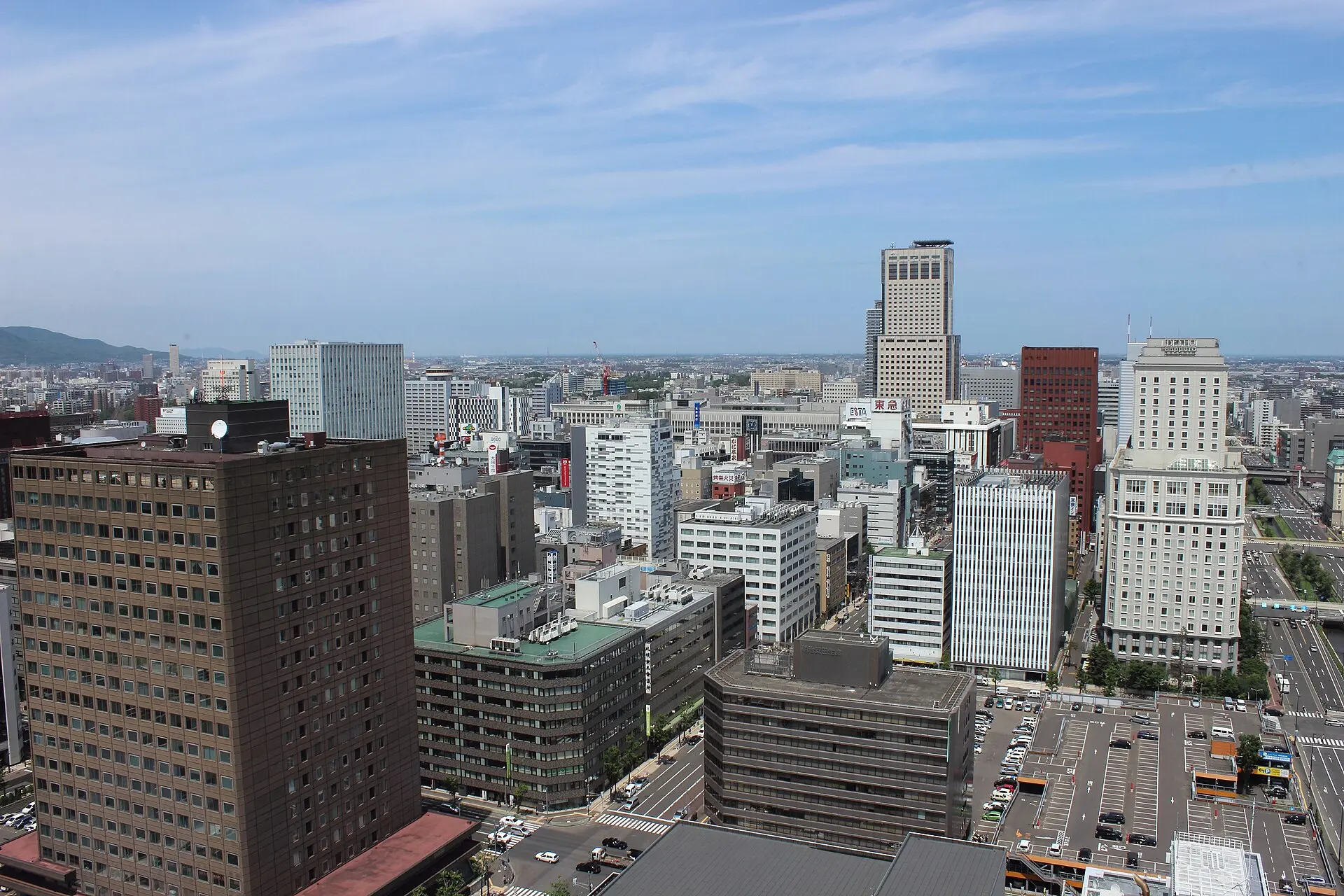
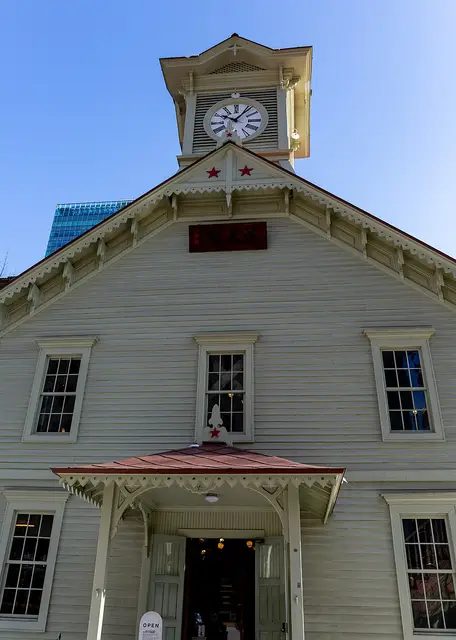
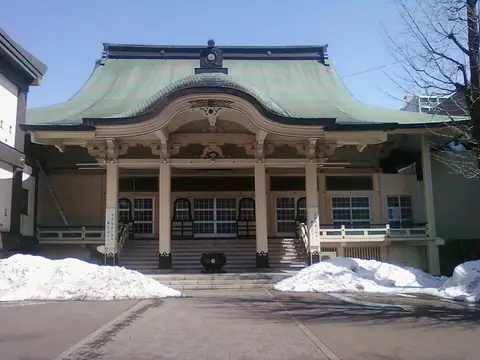
Ōdōri Park stretches for a mile and a half straight through the center, with the Sapporo TV Tower at its eastern end. A few steps away stands the wooden Clock Tower from 1878, the city's landmark and once the drill hall of the agricultural college. On Mount Moiwa, a ropeway takes you up to one of the most beautiful night panoramas in Japan, and the Ōkurayama ski jump offers a dizzying view down into the valley. Hokkaidō Shrine sits in a large park with cherry trees that don't bloom here until early May. Moerenuma Park in the northeast, designed by the sculptor Isamu Noguchi, transforms a former landfill into a landscape sculpture.
Susukino and the Center
South of Ōdōri Park begins Susukino, the largest entertainment district north of Tokyo. The blocks from Minami-3-jō to Minami-6-jō, each around Nishi 3 to 5, pack restaurants, izakaya, karaoke, and bars into multistory buildings. The covered shopping street Tanukikōji runs here for several blocks. Outside the center, districts such as Teine, with its ski area, and Kiyota offer quiet residential neighborhoods; Teine hosted the Olympic alpine events in 1972.
Eating and Drinking in Sapporo
Sapporo gave Japan miso ramen: a hearty broth with butter, corn, and stir-fried vegetables, especially good in Ramen Yokochō alley in Susukino. Genghis Khan (Jingisukan) is grilled lamb cooked on a domed iron plate, and soup curry is a light curry soup with big chunks of vegetables. At Nijō Market and the Central Market, breakfast means kaisendon, rice bowls topped with sea urchin, salmon roe, and crab. Sapporo Brewery, founded in 1876, is Japan's oldest beer brand; at the Sapporo Beer Museum you can learn about its history and then sample the beer in the beer garden next door. Sweets come from Ishiya, whose Shiroi Koibito cookies are sold in every souvenir shop.
Festivals and Day Trips
In early February, the Sapporo Snow Festival fills Ōdōri Park and Susukino with giant snow and ice sculptures, drawing millions of visitors. In July and August, the same park turns into a huge beer garden, and in June the Yosakoi Sōran Festival brings dance troupes to town. Day trips lead to the canal town of Otaru with its glass workshops and sushi, to the hot springs of Jōzankei, and in summer to Furano and Biei with their lavender and flower fields. Skiers love Niseko and Kiroro, but Teine and Kokusai are also reachable from Sapporo in a short time. If you want to learn about Ainu culture, head to Shiraoi and the National Ainu Museum, Upopoy, on Lake Poroto, about an hour to the south. Beer lovers will find more breweries and distilleries in Eniwa and Chitose, and the Nikka whisky distillery in Yoichi lies beyond Otaru on the coast.
Getting Around Sapporo and the Best Time to Visit
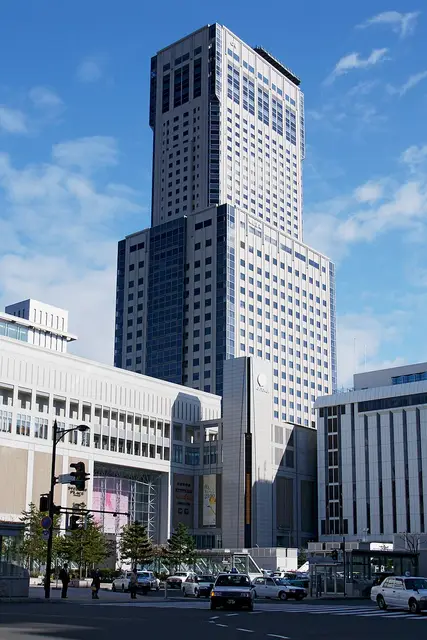
New Chitose Airport is about 25 miles southeast; the Rapid Airport train reaches Sapporo Station in about 40 minutes. Three subway lines, a loop streetcar, and underground pedestrian passages between the station and Susukino make winter pleasant, too. The best time to visit depends on your goal: February for snow and the festival, June to September for pleasant weather without the humidity of southern Japan, and October for fall foliage. Hokkaido winters are cold and snowy, so bring good shoes. For the Snow Festival, book hotels early, because the city is full months in advance.