Fukushima Prefecture: Samurai Heritage and Mountain Lakes
Travel guide · editorialMany people associate the name Fukushima mainly with the 2011 reactor disaster – but a vacation in Fukushima Prefecture reveals a very different picture. Japan's third-largest prefecture has castles and samurai towns, lakes in every color, a preserved post town with thatched roofs, and some of the most highly awarded sake breweries in the country. The restricted zones now cover only a small part of the coast.
Three Landscapes
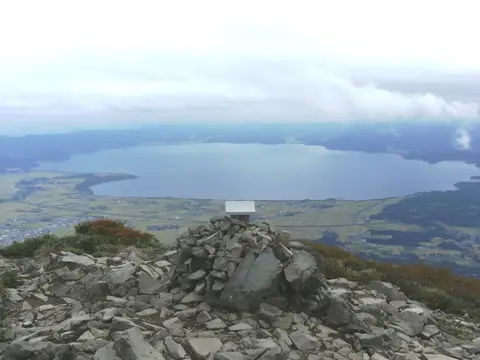
Fukushima is divided from east to west into three regions. Hamadōri on the Pacific coast includes towns such as Iwaki and Minamisōma. Nakadōri in the center is a long basin with Fukushima, Kōriyama, Sukagawa, and Shirakawa, lined with fruit orchards. Aizu in the west is mountain country with volcanoes like Mount Bandai, lakes, deep snowy winters, and the historic city of Aizuwakamatsu. Lake Inawashiro at the foot of Mount Bandai is Japan's fourth-largest lake.
Sights in Fukushima Prefecture
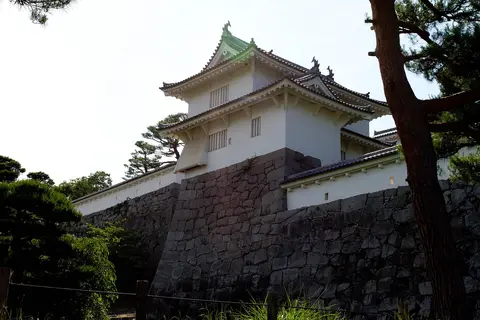
Tsuruga Castle in Aizuwakamatsu, rebuilt with red roof tiles, was the scene of one of the last battles between the samurai and the new Meiji government in 1868. On Mount Iimoriyama, young Byakkotai warriors took their own lives in ritual suicide, believing the castle had fallen; next to the site stands the Sazaedō, a wooden pagoda with a double spiral ramp. Ōuchi-juku is an Edo-period post town with thatched-roof houses along a wide street. Near Kitashiobara lie the Goshiki-numa, the "Five-Color Lakes," which shimmer in shades of blue, green, and turquoise thanks to volcanic minerals. Tsurugajō Park and the Miharu-Takizakura, a weeping cherry tree more than a thousand years old, are highlights of cherry blossom season.
Cities and Towns
Kōriyama is a transport hub and economic center; nearby lies Lake Inawashiro with the birthplace of the bacteriologist Hideyo Noguchi. Fukushima City is surrounded by orchards and the hot springs of Iizaka and Tsuchiyu; in April, Hanamiyama Park offers a view over a sea of blossoms. Iwaki has beaches, the Aquamarine Fukushima aquarium, and the Spa Resort Hawaiians, which arose after the coal mines closed and was immortalized in the film "Hula Girls." Kitakata is a town of storehouses and ramen, while Shirakawa was a border barrier to the north in ancient times and has an old landscape garden. Minamisōma on the coast hosts the Sōma Nomaoi in July, a horse festival more than a thousand years old in which riders in samurai armor compete for sacred banners. Sukagawa is the birthplace of Eiji Tsuburaya, the creator of Ultraman, whose characters stand along the streets; in November, giant torches are lit on a hill here at the Taimatsu Akashi. Kōriyama sees itself as a city of music, with choirs that have won acclaim nationwide.
Food and Drink
Kitakata ramen, with a clear soy broth and thick, wavy noodles, is considered one of Japan's three great ramen styles, and in Kitakata it is traditionally eaten even for breakfast. Aizu is known for wappa-meshi, rice steamed in wooden bowls, and sōsu-katsudon. Fukushima is one of Japan's largest peach producers, along with apples, pears, and cherries. For many years in a row, the prefecture won the most gold medals at the national sake competition; breweries in Aizu and Kitakata offer tastings. Kozuyu, a clear soup with dried seafood, is served at festivals.
After 2011
The earthquake, the tsunami, and the disaster at the Fukushima Daiichi nuclear power plant hit mainly the coast. Most evacuation zones have since been lifted, and radiation levels in inhabited areas and in food are strictly monitored. In Futaba, the Great East Japan Earthquake and Nuclear Disaster Memorial Museum provides information about the events and the reconstruction. When traveling to the coastal region, it's a good idea to heed the latest advisories from the authorities.
Getting There and Best Time to Visit
The Tōhoku Shinkansen stops at Shin-Shirakawa, Kōriyama, and Fukushima; from Tokyo, the trip to Kōriyama takes about 80 minutes. The Ban'etsu West Line runs to Aizuwakamatsu, and the Aizu Railway and then a bus take you to Ōuchi-juku. Fukushima Airport near Sukagawa has domestic connections. The best times to visit are considered to be April for cherry blossoms, which bloom a little later in Fukushima than in Tokyo, and October and November for the fall foliage along the Bandai-Azuma Skyline. In winter, the onsen and ski areas around Mount Bandai are popular.