Discover Kōriyama: Canals, Carp, and Choral Singing
Travel guide · editorialWithout a 19th-century canal, Kōriyama would probably have remained a village. Today it is the largest economic hub in Fukushima Prefecture and a transport crossroads in the heart of Tōhoku. For a trip to the region, the city makes a good base for Lake Inawashiro, Aizu, and the onsen of Bandai-Atami.
The History of the Asaka Canal
For a long time, the Asaka plateau was dry and barely farmed. That changed with the Asaka Sosui, an irrigation canal that carries water from Lake Inawashiro through the mountains into the plain. Completed in 1882, it was one of the first major government infrastructure projects of the Meiji era; the Dutch engineer Cornelis van Doorn helped with the planning, and a statue at the lake commemorates him. With the water came rice fields, settlers from all over Japan, and later industry. In Kaiseizan Park, the former center of the development, you'll find the Kaiseizan Daijingū shrine and hundreds of cherry trees.
Sights in Kōriyama
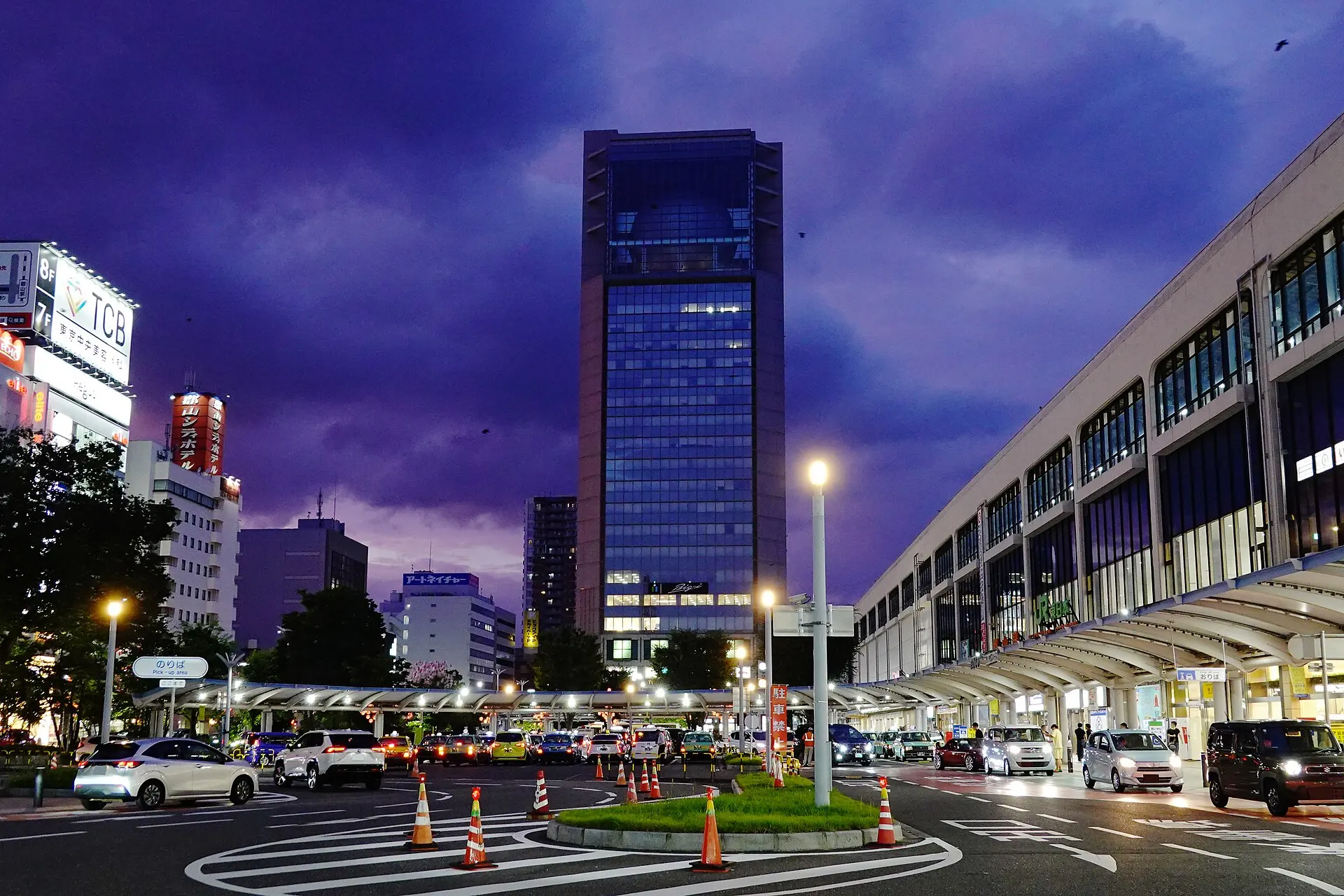
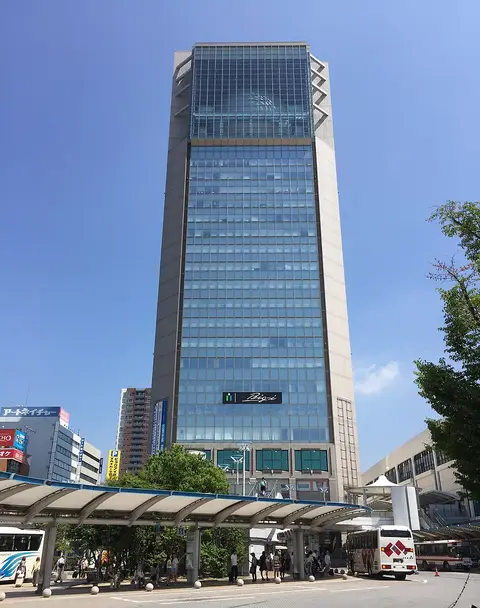
At the train station, the Big-i towers overhead, a high-rise with an observation floor and the Fureai Science Center, whose planetarium once appeared in the Guinness Book of Records as the highest in the world. The Municipal Museum of Art, set in a hillside park, shows British painting and works from Japan. Kōriyama also calls itself a city of music: school and amateur choirs from the city regularly win national competitions, and concerts take place in several halls. To the west lies the onsen town of Bandai-Atami, where hot springs have bubbled out of the ground for centuries and ryokan line a mountain stream.
Eating in Kōriyama
One local specialty is carp: Kōriyama is among the places in Japan where the most carp is farmed and eaten. It is served as koi no umani, braised in a sweet soy sauce, as sashimi with vinegar miso, or deep-fried. The region is also known for ramen with a clear soy-sauce broth and for sake from the mountains; Fukushima Prefecture has won many gold medals at Japan's national sake competition for years. In the evening, life spreads out across the alleys east and west of the station, where izakaya and bars stay open late.
Getting There, Excursions, and the Best Time to Visit
On the Tōhoku Shinkansen, Kōriyama is about 80 minutes from Tokyo; Fukushima Airport is roughly half an hour to the southeast. The Ban'etsu West Line runs to Aizu-Wakamatsu with its Tsuruga Castle, passing Lake Inawashiro and the Bandai volcano along the way. To the east lies the Abukuma Cave with its stalactites. The best times to visit are April, with the cherry blossoms, including at the famous Miharu Takizakura in the neighboring town, and golden October. Winters are cold but usually see less snow than western Aizu.
Festivals and City Life
In summer, Kōriyama celebrates the Uneme Festival, in which thousands of people in summer kimonos dance through the downtown area; it goes back to the legend of the court lady Uneme, who is said to have once brought the region's famine to the emperor's attention. Around Ekimae Street and the shopping arcades, you'll find department stores, business hotels, and small shops selling specialties from all over Fukushima, such as lacquerware from Aizu or peach sweets. If you're spending several days in Tōhoku, you'll appreciate the central location: Sendai, Aizu, and Nikkō are each within reach.