Ibaraki Prefecture: Gardens, Coast and Science
Travel guide · editorialIbaraki regularly ranks near the bottom in Japanese popularity polls – a verdict that travelers quickly revise. Spend a vacation in Ibaraki Prefecture and you'll see one of Japan's three most famous gardens, flower-covered hills by the sea, the country's second-largest lake and a science city with a space center. And it all lies just one to two hours northeast of Tokyo.
Landscape and Location
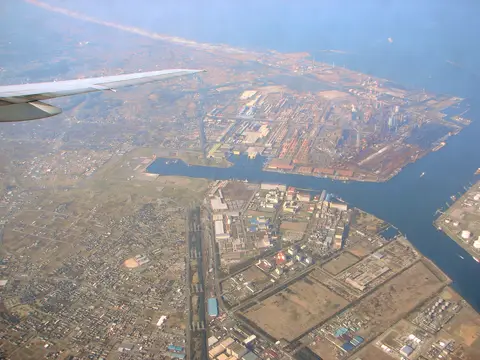
The prefecture occupies the northeastern part of the Kantō Plain and has a long, straight Pacific coastline. To the south lies Lake Kasumigaura, a shallow lake with lotus fields and fishing; the Tone River flows along the western border. Mount Tsukuba, with its twin peaks, rises from the plain and has been celebrated in poetry since ancient times. The north grows hilly and heavily forested, with gorges and waterfalls. Ibaraki is one of Japan's most important agricultural regions, known for melons, lotus roots and chestnuts.
Sights in Ibaraki Prefecture
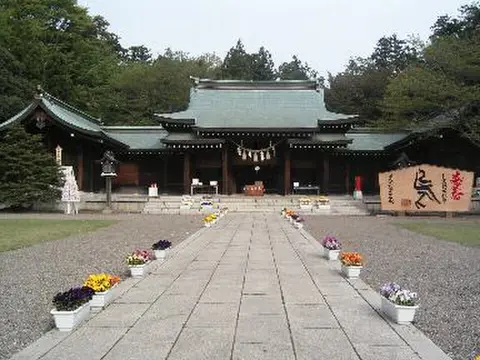
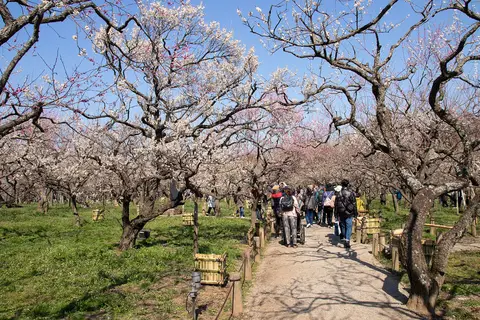
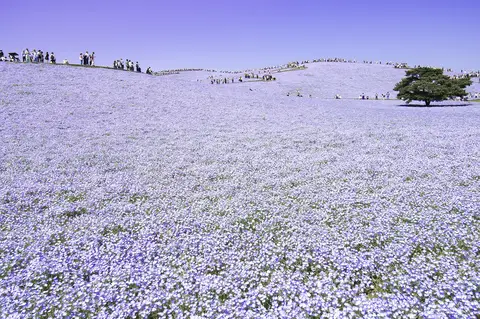
Kairaku-en in Mito was laid out in 1842 by Lord Tokugawa Nariaki and, together with Kenroku-en and Kōraku-en, counts among Japan's three great landscape gardens. Around 3,000 plum trees in about a hundred varieties bloom there in February and March. In spring, Hitachi Seaside Park near Hitachinaka is blanketed with millions of blue nemophila; in autumn, kochia shrubs glow fiery red. Fukuroda Falls in Daigo tumbles in four tiers down a rock face and partially freezes in cold winters. At Kashima Shrine, one of the oldest sanctuaries in eastern Japan, a path leads through an ancient forest to a sacred spring. In Ushiku stands one of the world's largest Buddha statues, about 120 meters tall, with an observation deck inside.
Cities and Towns
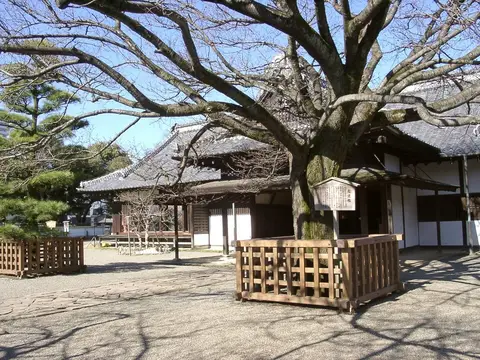
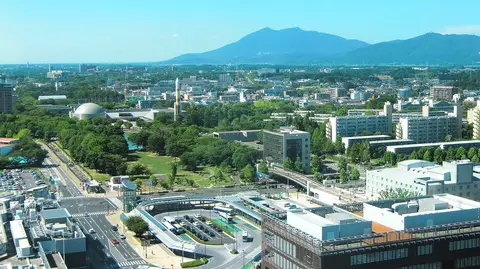
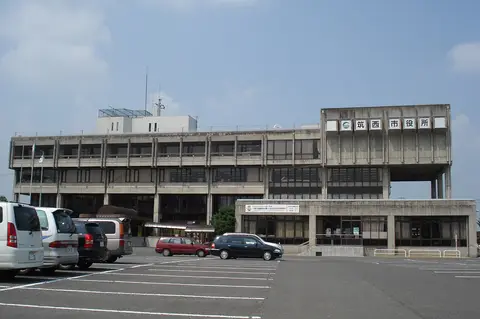
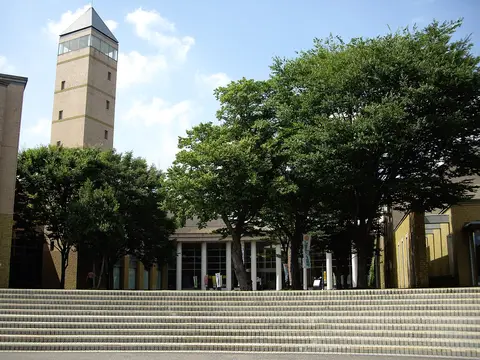
Mito was the seat of one of the three branch houses of the Tokugawa family; the Kōdōkan, a 19th-century domain school, has been preserved. Tsukuba is a planned science city with a university and around 150 research institutions, including the Tsukuba Space Center of the Japanese space agency JAXA, with a visitor hall and rocket models. Tsuchiura, on Lake Kasumigaura, hosts one of Japan's major fireworks competitions in autumn. Hitachi is the birthplace of the electronics corporation of the same name, while Koga and Chikusei in the west lie on the rural plain. Kamisu and Kashima on the coast are industrial and soccer towns. Kasama is known for its pottery and its Inari shrine, which holds a chrysanthemum festival in autumn.
Food and Drink
Mito is the capital of natto, fermented soybeans with a stringy consistency that were once sold in straw bundles. Ankō nabe, a hot pot with monkfish and liver, is a winter specialty of the coast around Ōarai and Kitaibaraki. Ibaraki is a leader in melons and produces the most lotus roots in Japan, mainly around Lake Kasumigaura. Hitachi beef is considered a premium wagyu brand, and hoshi-imo, dried sweet potatoes, are the typical winter souvenir. In Kasama you'll find chestnut sweets made from the local harvest, and several breweries produce sake and craft beer.
Nature and Excursions
You can climb Mount Tsukuba on foot or by cable car and funicular; on clear days the summit offers views across the plain to Mount Fuji and the Tokyo skyline. Cyclists ride the Tsukuba-Kasumigaura Ring Ring Road, which circles the lake and passes through rice fields. In the Fukuroda area and the Hananuki Gorge, the leaves turn color in November, and on the cliffs of Izura near Kitaibaraki stands a small pavilion where the art theorist Okakura Kakuzō meditated over the sea. Ōarai is a popular seaside resort with an aquarium and a torii gate on a rock in the surf.
Getting There and Best Time to Visit
From Tokyo, the Hitachi Limited Express takes about 70 minutes to Mito, and the Tsukuba Express line connects Akihabara with Tsukuba in 45 minutes. The small Ibaraki Airport near Omitama is used mainly by domestic and low-cost carriers. A rental car is practical for the coast and the hill country. The best times to visit are February and March for the plum blossoms, late April to mid-May for the nemophila, and October for the red kochia. In winter, the ankō season draws visitors to the coast. If you'd like to explore the plain by bike, you'll find rental bicycles at many train stations.