Discover Mito: Plum Blossoms, Kairakuen, and Nattō
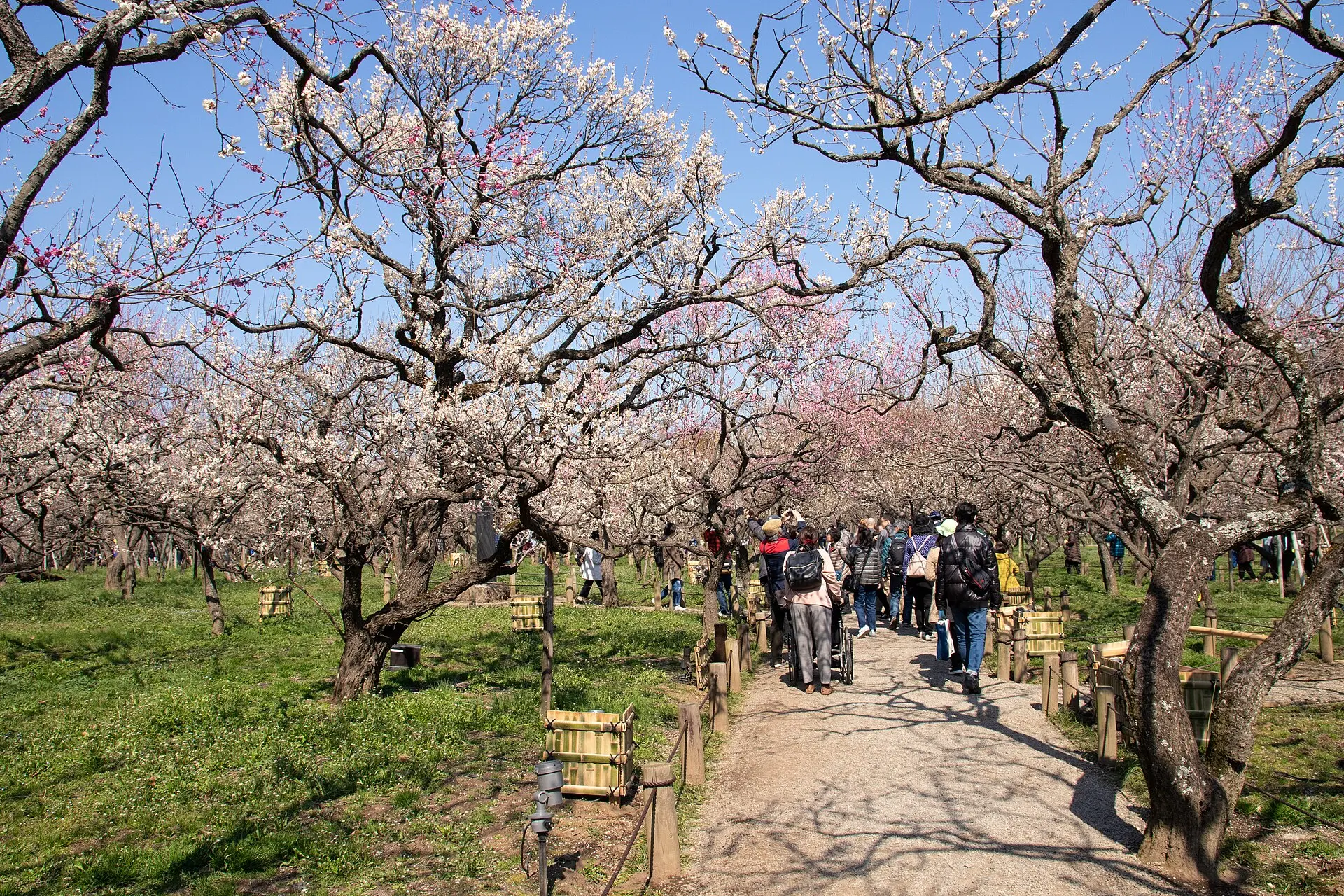
Travel guide · editorialIn late February, when winter still grips much of the world, Mito smells of plum blossoms. That's when Kairakuen Garden draws countless day-trippers from Tokyo – and gives you a good reason to visit Mito, the capital of Ibaraki Prefecture, which is closely tied to one of the most powerful branches of the Tokugawa family.
The City of the Mito Tokugawa
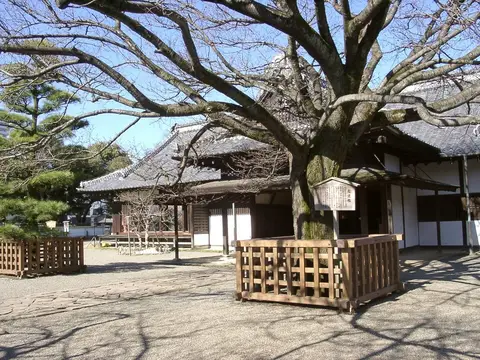
In the Edo period, one of the three branches of the Tokugawa family ruled here. The best known is Tokugawa Mitsukuni, the hero of a decades-running TV series as "Mito Kōmon," in which he appears as a traveling dispenser of justice. Mitsukuni initiated the historical work Dai Nihonshi, which gave rise to the so-called Mito School, a movement that strongly shaped thinking in the late Edo period. His descendant Tokugawa Nariaki founded the Kōdōkan in 1841, one of the largest schools for samurai. You can tour the surviving buildings with their wooden floors and sliding doors; plum trees bloom in the courtyard here as well. The reconstructed Ōtemon Gate of the former Mito Castle, whose grounds now house schools, offers another glimpse of the castle's history. The Tokugawa Museum displays armor, scrolls, and everyday objects belonging to the ruling family.
Sights in Mito
Nariaki also laid out Kairakuen, one of Japan's three great landscape gardens. Around 3,000 plum trees in about a hundred varieties grow here, along with a bamboo grove and a cedar grove. The plum festival usually runs from mid-February to mid-March. From the two-story Kōbuntei Pavilion, you look out over Lake Senba, where swans and strollers share the shoreline. A contrast to all this is the Art Tower Mito: Arata Isozaki designed the cultural center with a tower about 100 meters (330 feet) high made of twisted titanium tetrahedrons, which hosts exhibitions of contemporary art, concerts, and theater.
Eating in Mito: Nattō and Ankō Nabe
Ibaraki is the home of nattō, fermented soybeans with a stringy, sticky texture. In Mito it is sold in straw bundles and taken home as a souvenir; some restaurants serve nattō tempura or nattō spaghetti. In winter, ankō nabe is on the table, a hot pot made with monkfish from the Pacific. Around the train station you'll find numerous ramen shops and izakaya, where sake from the prefecture's breweries is also served.
Day Trips from Mito
About half an hour away in Hitachinaka is Hitachi Seaside Park, famous for hills covered in blue nemophila in April and May and glowing red kochia in October. To the north, the Fukuroda Falls tumble down in several tiers and partially freeze over in cold winters. On the coast near Ōarai, you'll find a fish market, an aquarium, and the Ōarai Isosaki Shrine with its torii gate standing on a rock in the surf.
Getting There and Best Time to Visit
The Hitachi and Tokiwa express trains connect Tokyo and Ueno with Mito via the Jōban Line. Ibaraki Airport offers a few domestic and Asian connections. The best time to visit is during the plum blossoms in late winter, followed by spring for Seaside Park and fall for its clear air. In the city center, Kairakuen and Kōdōkan are reachable by bus from the station in just a few minutes, and during the plum blossom season a special station even opens right at the garden.