Discover Osaka: Castle, Neon, and Street Food
Travel guide · editorial“Kuidaore” – eat until you drop: Osaka's unofficial motto says a lot about the city. Japan's second major metropolis is louder, more direct, and more laid-back than Tokyo, and if you're planning a trip to Osaka, the main thing to bring is an appetite. Add a mighty castle, neon-lit canals, and an ideal base for day trips to Kyōto, Nara, and Kōbe.
A merchant city with a long history
As early as the 7th century, Naniwa, one of the earliest imperial palaces, stood here. The city's heyday began in 1583, however, when Toyotomi Hideyoshi had Osaka Castle built and made the city an economic center. In the Edo period, Osaka was called “the nation's kitchen”: rice from all over Japan was traded here, and the Dōjima Rice Exchange gave rise to one of the world's first futures markets. This merchant tradition still shapes the tone today – people greet each other, half in jest, with “Mōkarimakka?”, “Making any profit?” After the destruction of World War II, Osaka grew into an industrial metropolis. It hosted a World Expo in 1970 and again in 2025, for which the huge wooden ring was built on the artificial island of Yumeshima.
Kita and Minami: the two centers
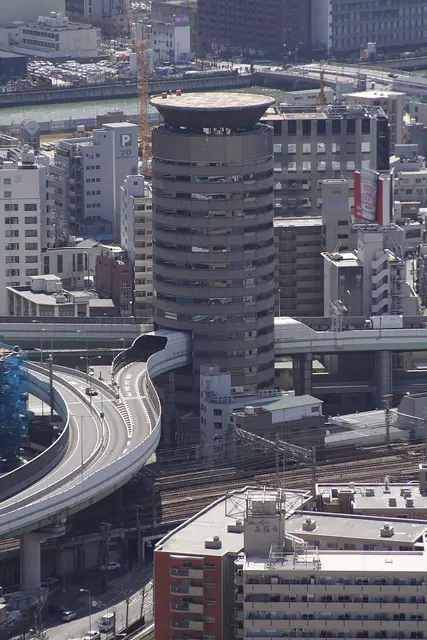
Osaka has two hearts. In the north, “Kita,” lies Umeda around Osaka Station: department stores, underground shopping arcades, the Umeda Sky Building with its open-air observation deck, and hotels by the dozen. Right next to it are Dōjima, where rice was once traded, and Sonezaki-shinchi, Osaka's upscale bar district with clubs and fine restaurants, while Sonezaki and Ohatsu-Tenjin Alley offer down-to-earth pubs. In the south, “Minami,” the heart of the city beats around Namba and Shinsaibashi: the covered Shinsaibashi-suji arcade leads to the Dōtonbori Canal, and east of it in Higashi-Shinsaibashi, small bars, karaoke spots, and izakaya crowd together. Doyamachō near Umeda is known for its queer bar scene. Farther south, Shinsekai with the Tsūtenkaku Tower feels like a time capsule of the 1950s.
Sights in Osaka
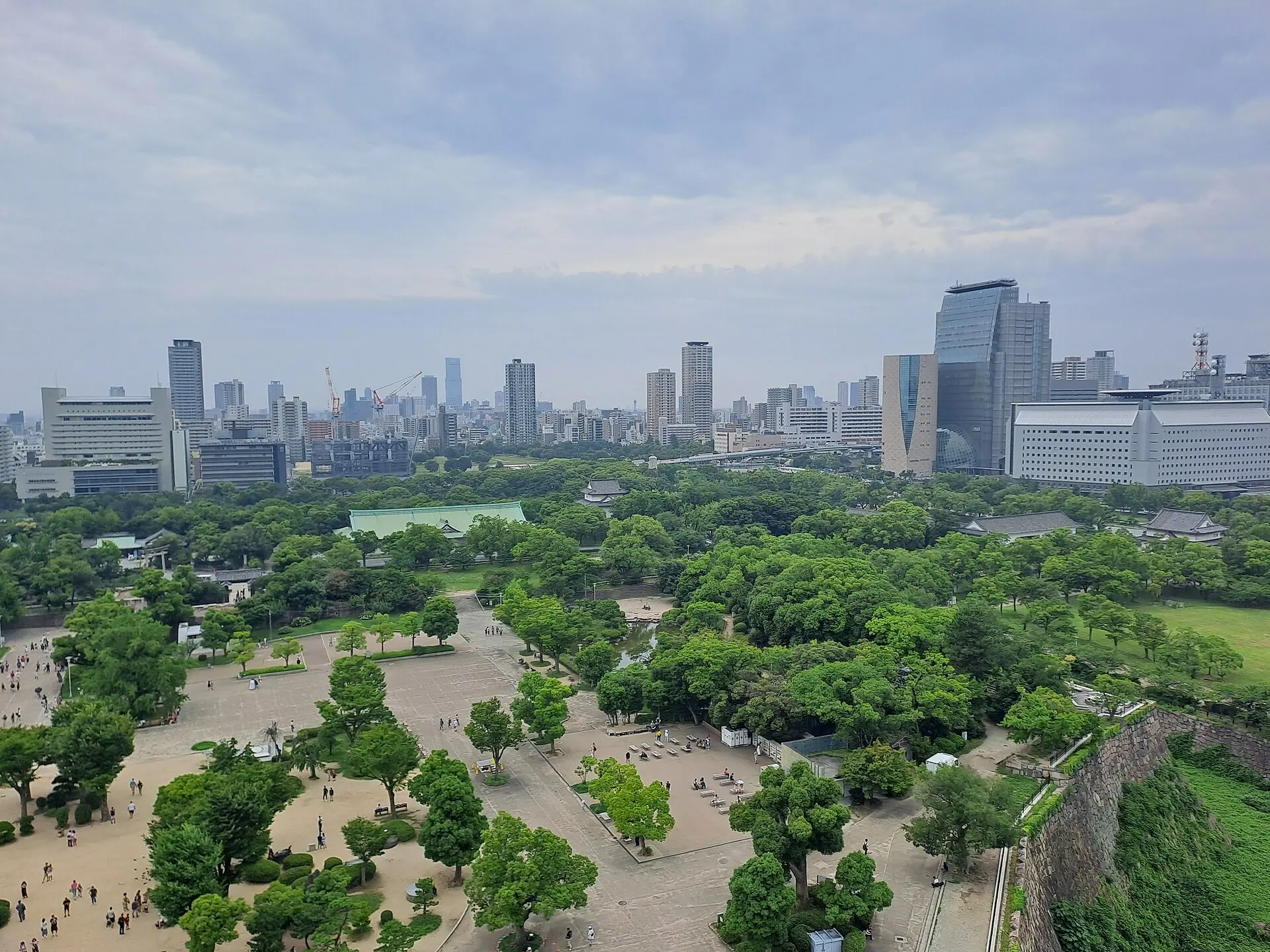
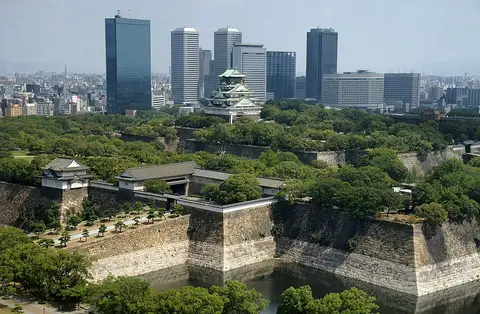
Osaka Castle, with its white main tower, green tiles, and gold ornaments, is a 1931 reconstruction surrounded by massive stone walls and moats; in spring, thousands of cherry trees bloom in the castle park. At Dōtonbori, the running Glico Man waves from his illuminated billboard, and below it you can take a sightseeing boat along the canal. Shitennō-ji is considered one of Japan's oldest Buddhist temples, founded by Prince Shōtoku. Locals visit Sumiyoshi Taisha, with its arched red bridge, by the hundreds of thousands at New Year. In the evening, it's worth heading up Abeno Harukas, long Japan's tallest building, for the view over the sea of lights all the way to the bay.
Museums, theater, and entertainment
Osaka is the home of Bunraku puppet theater, performed at the National Bunraku Theatre in Nippombashi – three puppeteers move a single figure, accompanied by a narrator and shamisen. The Osaka Museum of History next to the castle explains the city's past with reconstructed palace rooms, while the National Museum of Art sits beneath a silver steel sculpture on Nakanoshima Island, where the Nakanoshima Museum of Art has also stood since 2022. At Kaiyūkan, one of the largest aquariums in the world, a whale shark circles in the central tank. Universal Studios Japan with Super Nintendo World draws families, and comedy has its own stages in Osaka: the great manzai performers almost all come from here.
Eating in Osaka
Osaka's restaurants make the city Japan's culinary capital for anyone who likes hearty food. Takoyaki, batter balls with octopus, are turned in cast-iron molds at street stalls. Okonomiyaki, the savory cabbage pancake, is cooked on a hot griddle at your table, and in Shinsekai you dip kushikatsu – deep-fried skewers – into the shared sauce, but only once. Kuromon Market offers seafood, grilled scallops, and wagyu skewers, and in the alleys of Ura-Namba, one standing bar follows the next. Kitsune udon with sweet tofu is said to have been invented here, as were instant noodles – the suburb of Ikeda has its own museum dedicated to them.
Going out in Osaka
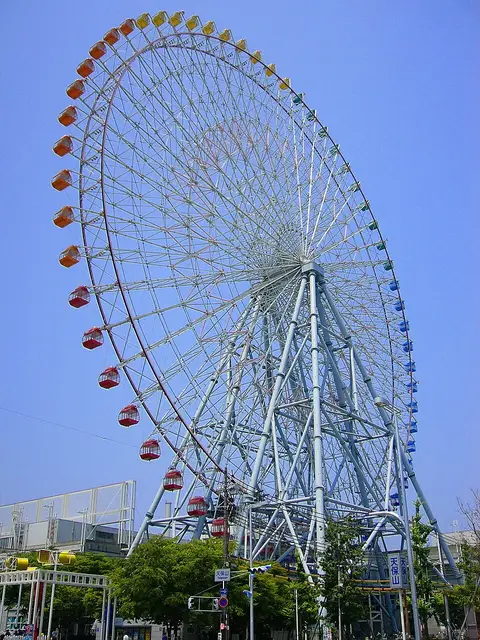
Osaka's nightlife is easygoing and sociable. Around Dōtonbori and Namba, people eat and drink late into the night, and Amerikamura near Shinsaibashi is the neighborhood for clubs, streetwear, and live music venues. If you prefer something more refined, look for a whisky bar in Kita – the Yamazaki distillery, the birthplace of Japanese whisky, is only half an hour away. Tenma, with its long shopping street Tenjinbashisuji, is a labyrinth of izakaya in the evening, where you quickly strike up a conversation with your neighbor. If you'd rather go high, take the elevator up to one of the rooftop bars above Umeda, or ride the HEP Five Ferris wheel again at night, its red gondolas circling right on top of a department store. And because the city is less formal than Tokyo, even visitors get chatted up in Osaka – often with the question of what you've eaten today.
Getting around Osaka and the best time to visit
Kansai Airport sits on an artificial island in the bay; the Haruka express train reaches Shin-Osaka in about 50 minutes, and the Nankai line goes to Namba. Domestic flights also land at Itami. By Shinkansen, Tokyo is about two and a half hours away. In the city, you get around on the Osaka Metro – the Midōsuji Line connects Umeda and Namba – and the JR Loop Line; IC cards such as Icoca work everywhere. The best times to visit are spring and fall; in July, the Tenjin Matsuri with its boat procession and fireworks is well worth it, even though it's hot and humid then. Day trips to Kyōto, to the deer of Nara, or to Himeji Castle are doable in under an hour.