Discover Higashiōsaka: Rugby, Workshops, and Mount Ikoma
Travel guide · editorialVisit Higashiōsaka and you'll quickly notice that this is a place where people work: thousands of small factories turn out screws, gears, and precision parts, and the city is proud of it. Still, there's more to a trip to Higashiōsaka than factory floors – you'll find Japan's most famous rugby stadium, ancient shrines on the slopes of Mount Ikoma, and a museum by Tadao Ando.
The City of Tinkerers
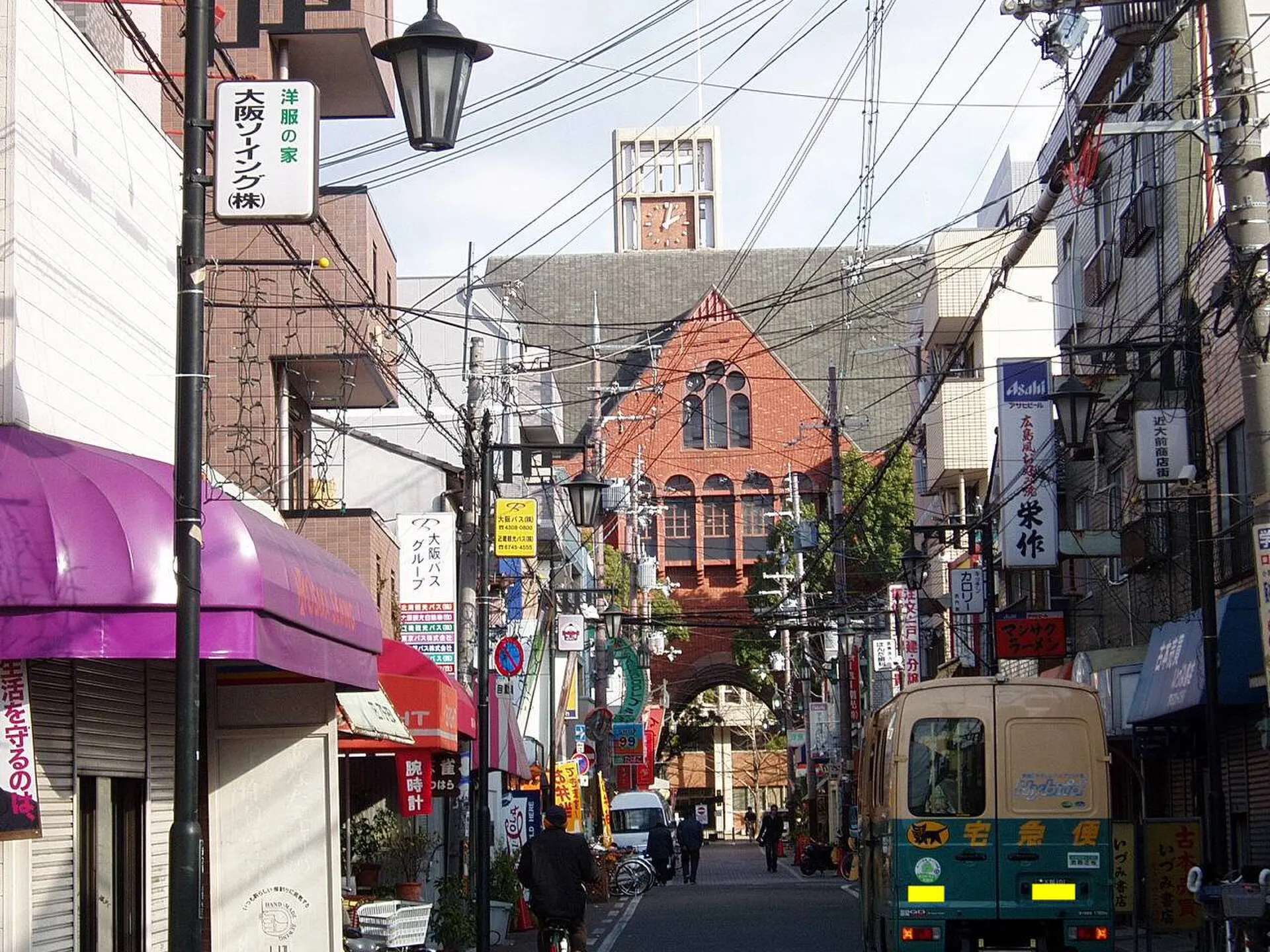
Higashiōsaka was created in 1967 through the merger of the cities of Fuse, Kawachi, and Hiraoka and borders eastern Osaka directly. It has one of the highest concentrations of small and midsize manufacturers in the country, and the concept of "monozukuri," the art of making things, is everywhere. The best-known example is the small satellite Maido 1, developed by a consortium of local companies and launched into space in 2009. Some workshops open their doors on special event days, and in the shopping streets around Fuse Station you can still feel the down-to-earth Kawachi mentality, which in Japan stands for directness and humor.
Hanazono: Heart of Japanese Rugby
The Hanazono Rugby Stadium is Japan's oldest dedicated rugby stadium and the venue for the national high school tournament, which draws thousands of fans around New Year every year. It was modernized for the 2019 Rugby World Cup and served as one of the host venues. The whole city calls itself "Rugby Town": manhole covers show rugby balls, and families jog and picnic in the surrounding Hanazono Park. If you visit during the season between December and May, you can catch professional league games.
Sights in Higashiōsaka
On the western slope of the Ikoma Mountains you'll find Hiraoka Shrine, one of the oldest Shinto shrines in the region, famous for its plum garden in February and March. Not far away, a lane lined with shops, fortune tellers, and snack stalls leads up to Ishikiri Tsurugiya Shrine, where worshippers walk back and forth barefoot between two stones to pray for recovery from illness. A highlight for literature lovers is the Shiba Ryōtarō Memorial Museum: next to the writer's home, Tadao Ando designed a building with a 36-foot-high wall of books. From Kuragari Pass, an old trade route to Nara, you can look out across the plain to the Osaka skyline.
Eating in Higashiōsaka
The cuisine is everyday Osaka fare: okonomiyaki, kushikatsu, and takoyaki are available on almost every corner, often cheap and in small places where the proprietress cooks right at the counter. Restaurants, ramen shops, and izakaya cluster around Fuse and Kawachi-Kosaka stations, where workers and students from Kindai University sit side by side after their shifts end. Also typical of the area is kasu udon, a noodle soup with crispy fried pieces of beef intestine that originates in the Kawachi region. In the covered shōtengai, the shopping arcades of Fuse, you'll find croquettes from the butcher, senbei, and sweets from long-established shops.
Getting Around and Best Time to Visit
The Kintetsu lines connect Higashiōsaka with Namba and Uehommachi in about 10 to 20 minutes; the Osaka Metro Chūō Line runs to Nagata and beyond. Many visitors stay in Osaka and come for half a day. The best time to visit is in spring during plum and cherry blossom season, as well as in late fall, when Mount Ikoma changes color and the rugby season begins.