Osaka Prefecture: Japan's Kitchen and Merchant City
Travel guide · editorialIf you're planning a vacation in Osaka Prefecture, you'll discover a side of Japan that is louder, more direct, and funnier than the capital. For centuries, this merchant city by the sea has been known as the "nation's kitchen," and its residents take their motto "kuidaore" – to eat yourself into ruin – seriously. Osaka is also an ideal base for day trips to Kyoto, Nara, and Kobe.
Between Bay and Mountains
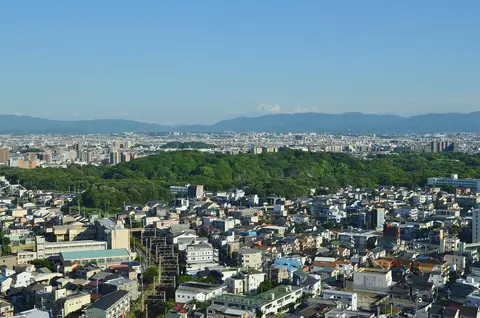
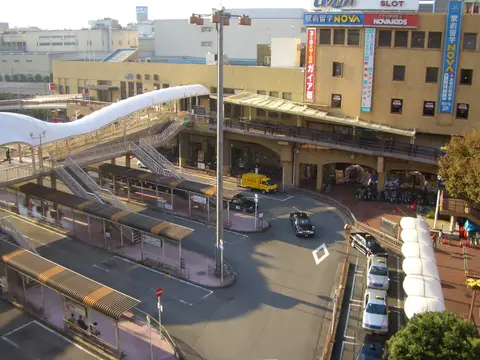
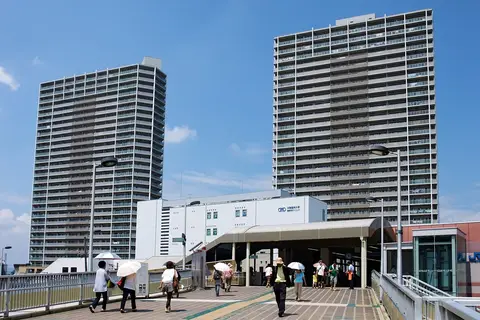
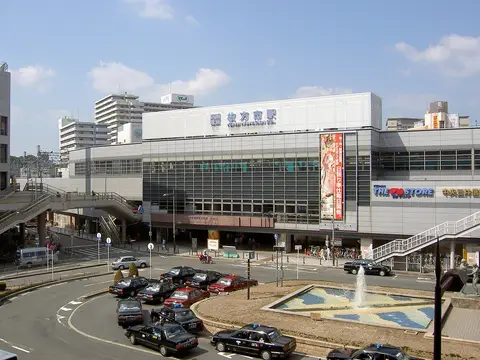
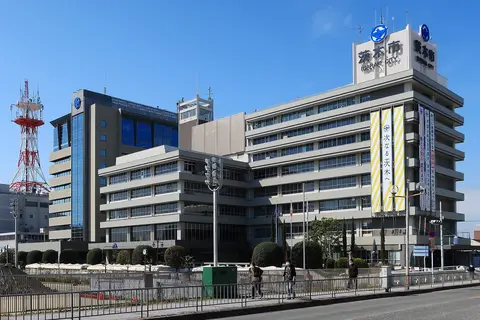
Osaka Prefecture is the second smallest in Japan after Kagawa, but one of the most densely populated. It wraps around Osaka Bay to the east and is framed by the Ikoma, Kongō, and Izumi mountain ranges. Almost the entire plain is built up; the cities of Sakai, Higashiosaka, Toyonaka, Suita, Takatsuki, Hirakata, and Ibaraki merge seamlessly into one another. In the middle of the bay lies the artificial island of Kansai Airport, and the World Expo took place on Yumeshima Island in 2025.
Sights in Osaka Prefecture
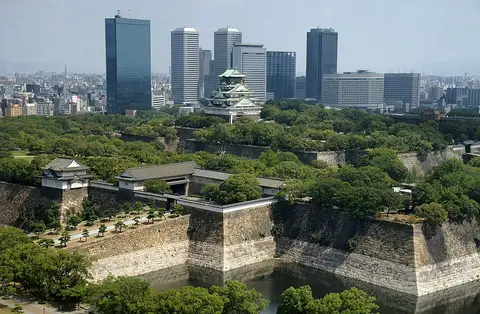
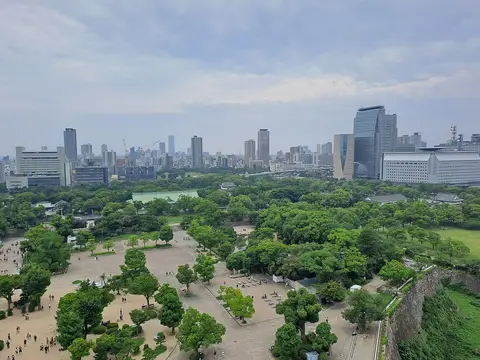
The landmark is Osaka Castle, built by Toyotomi Hideyoshi in the late 16th century. The present main tower is a 1931 reconstruction and houses a museum; the massive stone walls and moats, however, still date from the Edo period. In the south of the city stands Shitennō-ji, one of the oldest Buddhist temples in the country, founded in 593. Sumiyoshi Taisha, with its arched red bridge, is the model for a shrine architecture style of its own. With its game arcades and neon signs, the Shinsekai district around Tsūtenkaku Tower feels like an open-air museum of the postwar era. For families, the Kaiyūkan Aquarium with its whale shark and Universal Studios Japan on the bay are popular destinations.
Sakai and the Surrounding Area
Sakai, the prefecture's second-largest city, was a self-governing trading port in the Middle Ages and home to the tea master Sen no Rikyū. Today it is known for its knife forges and for the Mozu-Furuichi Kofun Group, enormous keyhole-shaped burial mounds that have been a World Heritage Site since 2019. The largest, the Daisen Kofun, measures almost half a kilometer and is best viewed from the observation floor of the city hall. In Suita, Expo Park, with Tarō Okamoto's "Tower of the Sun," recalls the 1970 World Expo. In the north, near Minoo, a forest trail leads to a waterfall; in autumn, vendors there sell deep-fried maple leaves.
Food and Drink
The cuisine is the main reason many people head to Osaka. Takoyaki, dough balls filled with octopus, are flipped at stands in Dōtonbori right before your eyes. Okonomiyaki, the hearty cabbage pancake, is mixed here rather than layered as in Hiroshima. Kushikatsu, breaded skewers, belong to Shinsekai, where you may dip in the sauce only once. The Kuromon Market offers fresh seafood and wagyu skewers, and dashi broth made from kombu seaweed is also considered an Osaka specialty. In the evening, the Glico Man lights up above the Dōtonbori canal, while tiny izakaya open in the alleys of Ura-Namba.
Culture and City Life
Osaka was the home of Bunraku puppet theater, which is still performed at the National Theatre in Namba. Comedy, especially manzai with its duo of jokester and straight man, has its stronghold here. The Tenjin Matsuri in July is one of Japan's three great festivals and ends with a boat procession and fireworks on the Ōkawa River. In Kishiwada in the south, heavy wooden floats are pulled at a run through the narrow streets during the Danjiri Festival in September. You can shop in the covered Shinsaibashi arcade or in the department stores around Umeda Station, where the Umeda Sky Building offers an open-roof observation deck.
Getting There and Best Time to Visit
Kansai Airport is connected to the city center by the Haruka express train and the Nankai line; domestic flights also use Itami. From Shin-Osaka Station, the Shinkansen takes about two and a half hours to Tokyo and 15 minutes to Kyoto. Nara and Kobe are reachable in under an hour by regional train. The best times to visit are spring and fall: in late March the cherry trees bloom in the castle park and at the Mint, and in November the foliage changes color in Minoo. Summer is very hot and humid, but rich in festivals.