Iwate Prefecture: Hiraizumi, the Coast and Wanko Soba
Travel guide · editorialAfter Hokkaido, Iwate is Japan's largest prefecture by area and one of its most sparsely populated. A vacation in Iwate Prefecture takes you through vast forests, to the golden temple hall of Hiraizumi and along a coastline that is coming back to life after the 2011 tsunami. Morioka is one of the northern region's underrated cities.
Landscape and Location
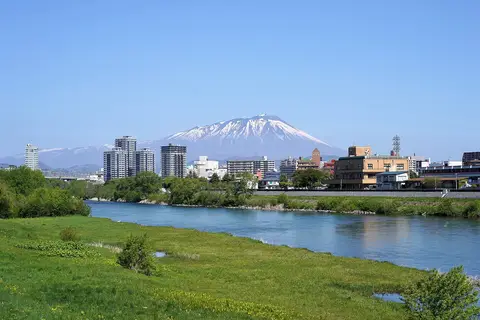
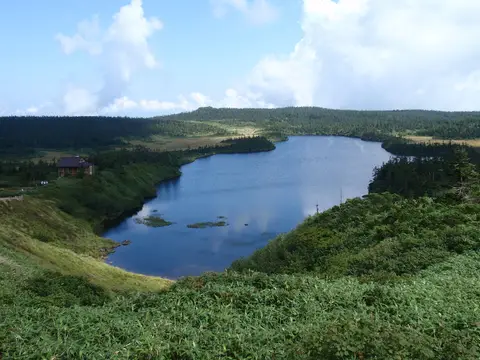
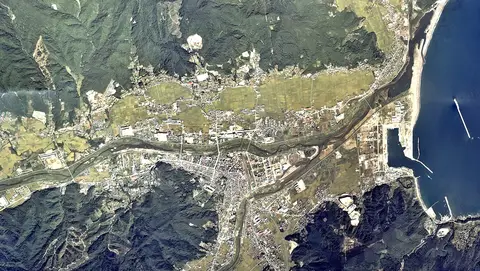
The prefecture stretches from the Ōu Mountains in the west to the Pacific Ocean. The Kitakami River flows through the middle, and Morioka, Hanamaki, Kitakami, Ōshū and Ichinoseki lie along its banks. In the west rise Mount Iwate, a volcano nicknamed the "Fuji of Nanbu" for its shape, and the Hachimantai Plateau with its moorlands and onsen. The Kitakami Highlands lie to the east, and beyond them the Sanriku Coast, with sheer cliffs and bays stretching all the way to Miyako and Ōfunato.
Sights in Iwate Prefecture
In the 12th century, Hiraizumi was the capital of the Ōshū Fujiwara clan and one of the largest cities in Japan; today it is a World Heritage site. At Chūson-ji Temple stands the Konjikidō, a hall completely covered in gold leaf and inlaid with mother-of-pearl, where the mummies of the lords rest. Mōtsū-ji has a Heian-period paradise garden laid out around a pond. Near Ichinoseki, boats glide through Geibikei Gorge, where the boatmen sing folk songs, and in Genbikei Gorge, "flying dango" sail over the water in baskets. On the coast near Miyako lies Jōdogahama Beach with its white rocks, and Ryūsendō near Iwaizumi is a limestone cave with underground lakes of extraordinary clarity.
Morioka and the Interior
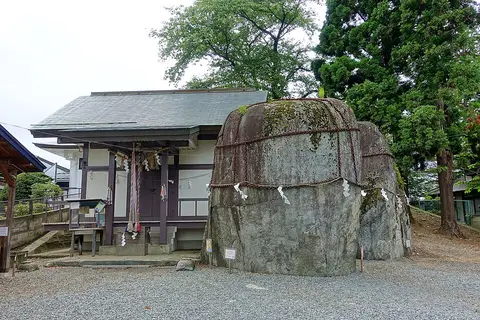
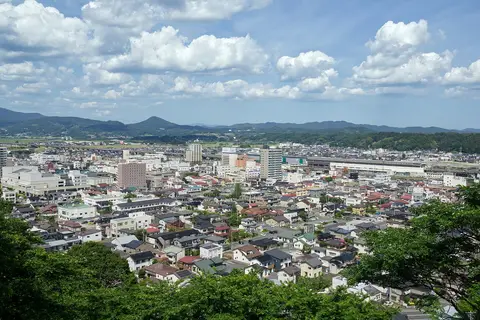
Morioka is a castle town of rivers, brick buildings and cafés. In the castle park grows a cherry tree that has split a granite boulder apart. Workshops make Nanbu Tekki, cast-iron teakettles prized around the world. Hanamaki was the birthplace of the poet Kenji Miyazawa, whose "Night on the Galactic Railroad" is among Japan's best-loved works; a museum commemorates him, and the Hanamaki Onsen hot springs are nearby. Tōno is the land of folk legends, where kappa water spirits are said to live in the streams; restored L-shaped farmhouses show how people and horses lived under one roof.
Food and Drink
Morioka has no fewer than three noodle dishes: wanko soba, in which servers keep refilling your bowl with tiny portions until you put the lid on it; jajamen, topped with meat miso and cucumber; and reimen, cold noodles of Korean origin served with kimchi. Iwate produces Maesawa beef, chicken and milk from Kuzumaki. The Sanriku Coast supplies sea urchin, abalone and wakame seaweed. Nanbu senbei are wheat crackers with sesame, and Hiraizumi offers mochi menus with a variety of sauces.
Getting There and Best Time to Visit
The Tōhoku Shinkansen reaches Morioka from Tokyo in just over two hours and also stops at Ichinoseki, Kitakami and Shin-Hanamaki. The Sanriku Railway runs along the coast, and Hanamaki Airport serves domestic destinations. The best times to visit are considered to be May and June, with fresh greenery and blossoms, and September and October, with autumn foliage in Hachimantai. In June, the Chagu Chagu Umakko festival sends a procession of decorated horses to Morioka. On the coast you can hike the Michinoku Coastal Trail, and in Ōfunato and Miyako memorials tell the story of the 2011 tsunami and the rebuilding.