Discover Morioka: Noodles, Castle Park, and Mount Iwate
Travel guide · editorialTwo rivers, a volcano on the horizon, and a noodle culture that has few equals: Morioka is compact, relaxed, and surprisingly varied. Since the New York Times named the city to its list of places to go in 2023, more visitors are discovering the charm of the prefectural capital – an ideal destination for a laid-back city trip in northern Honshu.
Castle Town on the Kitakami
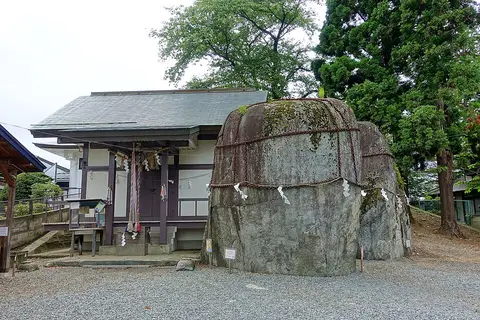
Starting in the late 16th century, the Nanbu lords had Morioka Castle built. All that remains of it are the massive granite walls, now part of Iwate Park in the city center, where the cherry trees bloom in spring. On the Nakatsu River, which flows into the Kitakami here, salmon swim upstream right through the city in autumn. A popular photo spot is the Ishiwari-Zakura in front of the district court: a cherry tree more than 350 years old growing out of a split granite boulder. Nearby stands the red-brick Iwate Bank building, designed in 1911 by Tatsuno Kingo, the architect of Tokyo Station.
Sights in Morioka
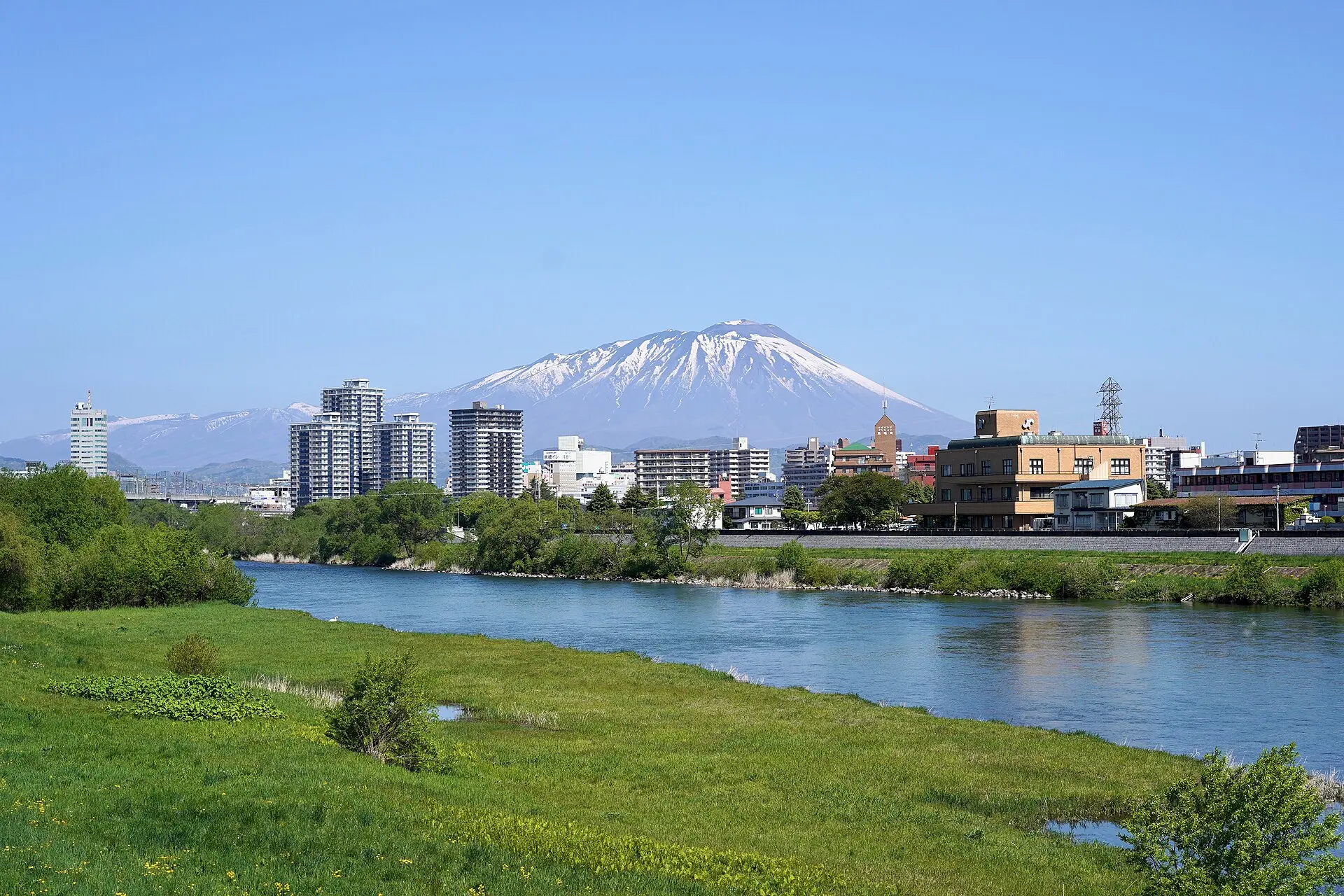
The old town is easy to explore on foot. In the Konyacho alley and along the banks of the Nakatsu, you'll find warehouses and craft shops from the Meiji era. In workshops such as the Kamasada studio, artisans make Nanbu Tekki, heavy cast-iron teakettles prized around the world. Literature fans can follow in the footsteps of Ishikawa Takuboku and Miyazawa Kenji, who both went to school in Morioka. Towering over it all is the roughly 2,000-meter volcano Mount Iwate, visible from many of the bridges. On the Kaiunbashi Bridge across from the station, you're standing at the classic postcard spot: river in the foreground, snow-capped peak behind. In the evening, locals gather in the small coffeehouses and jazz bars that Morioka is known for throughout Japan.
The Three Great Noodles
Morioka is a noodle town. At wanko soba, servers tirelessly refill your bowl with small portions of buckwheat noodles until you put the lid on it; practiced eaters manage a hundred bowls or more. Morioka reimen are firm, translucent cold noodles in beef broth topped with kimchi and a slice of watermelon or pear, a legacy of Korean immigrants. Finally, jajamen are thick wheat noodles with miso meat paste, which you turn into a soup called "chitantan" at the end by stirring in a raw egg and broth. For dessert, there are dairy products from Koiwai Farm at the foot of Mount Iwate.
Festivals Through the Year
In June, at the Chagu Chagu Umakko festival, a procession of magnificently decorated horses with jingling bells makes its way from Takizawa to Morioka. In early August comes the Sansa Odori, in which thousands of dancers and drummers parade through the downtown area; the festival holds a world record for the most taiko drums played at the same time.
Getting There and Best Time to Visit
The Hayabusa Shinkansen reaches Morioka from Tokyo in just over two hours; the Akita Shinkansen also branches off here. Iwate Hanamaki Airport is about 45 minutes away. Loop buses run in the city center. The best time to visit is between May and October; winters are snowy but ideal for nearby ski areas such as Appi or Shizukuishi. In February, the Snow Lantern Festival is held in Iwate Park, when candles in little snow huts light up the old castle walls.